How to Get Rid of Asian Tiger Mosquitoes?
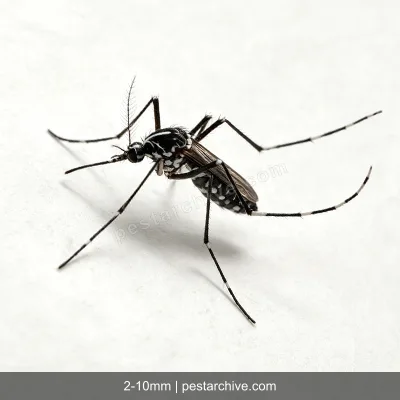
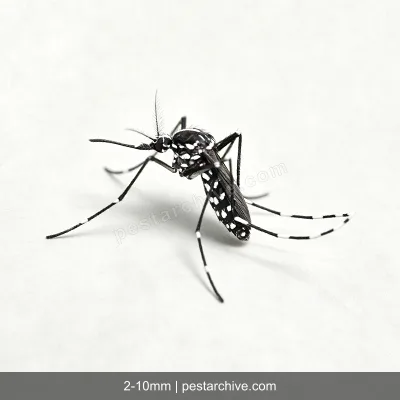
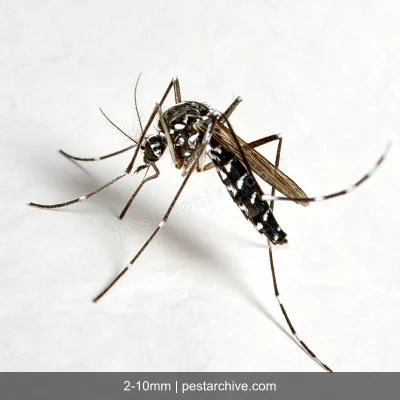
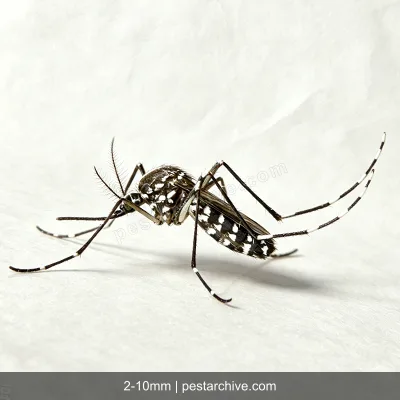
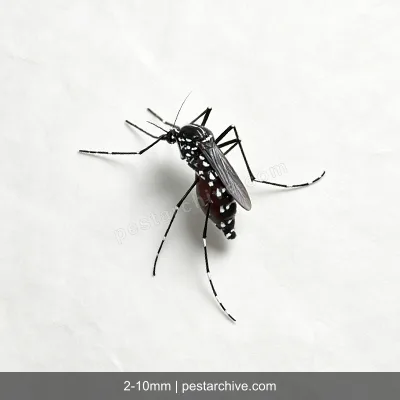
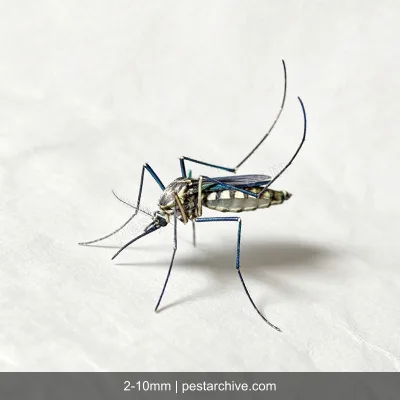
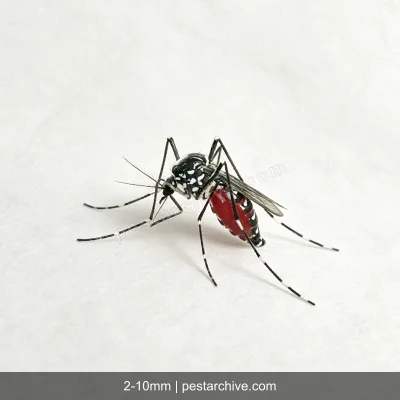
If you've ever been swarmed by black-and-white-striped mosquitoes at noon — right when ordinary mosquitoes are nowhere to be seen — you've met the Asian Tiger Mosquito (*Aedes albopictus*). Unlike House Mosquitoes that ambush you at dusk, this aggressive day-biter thrives in full sunlight, turning a backyard lunch into an itchy ordeal.
Originally from Southeast Asia, the Asian Tiger Mosquito has colonized much of the United States, Europe, and Latin America since the 1980s. It is a confirmed vector of dengue fever, chikungunya, Zika virus, and West Nile virus — which means controlling it is not just about comfort; it is a public health necessity.
### Why Asian Tiger Mosquitoes Are So Hard to Kill
Several traits make *Aedes albopictus* exceptionally persistent:
- Container breeders. They need only a tablespoon of standing water to lay eggs. A flower-pot saucer, a discarded bottle cap, a clogged gutter — all are perfect breeding sites.
- Desiccation-resistant eggs. Their eggs survive dry conditions for months and hatch the moment they touch water again. An empty bucket you left outside is not safe; it becomes a breeding site the next time it rains.
- Short flight range. Adults rarely fly more than 200 meters from where they hatched. If you eliminate all breeding sites on your property, the local population collapses — but if your neighbors do not, their mosquitoes will happily visit you.
- Daytime biting. Most commercial mosquito control targets dusk and dawn. Asian Tiger Mosquitoes bite during the hours when people are most likely to be outdoors unprotected.
### Step 1: Source Reduction — The Single Most Effective Action
Walk your property every week and eliminate every container that can hold water:
- Dump out flower-pot saucers, birdbaths, and pet bowls at least twice a week.
- Store buckets, wheelbarrows, and gardening tools upside down or indoors.
- Clean gutters and downspouts so rainwater flows freely.
- Discard or recycle old tires, bottles, and cans — these are prime breeding sites.
- Cover rain barrels and cisterns with tightly fitting lids or fine-mesh insect screens.
- Drill drainage holes in the bottom of trash cans and recycling bins.
- Check children's toys, swing sets, and tire swings for trapped water.
For items that cannot be emptied — ornamental ponds, water features, or drainage ditches — apply a larvicide containing *Bacillus thuringiensis israelensis* (Bti). Bti kills mosquito larvae but is harmless to humans, pets, fish, and beneficial insects.
### Step 2: Reduce Harborage
Asian Tiger Mosquitoes rest in shaded vegetation during the hottest hours. Make your yard less hospitable:
- Keep grass mowed short and prune overgrown shrubs near the house.
- Clear leaf litter and debris that trap moisture.
- Avoid dense ground cover right next to exterior walls; allow air to circulate.
### Step 3: Physical Barriers
- Fit all windows and doors with fine-mesh insect screens and patch any tears.
- Use bed nets treated with permethrin if you sleep in unscreened rooms.
- Wear long sleeves and pants during peak biting hours — early morning and late afternoon are the worst for this species.
### Step 4: EPA-Registered Repellents for Daytime Protection
When you must be outdoors during daylight, apply a repellent containing one of these four EPA-approved active ingredients:
- DEET (20–50% concentration for several hours of protection)
- Picaridin (effective, odorless, non-greasy — ideal for daytime use)
- IR3535 (gentle on skin, widely available in Europe)
- Oil of lemon eucalyptus (OLE) (the only plant-based ingredient with EPA approval; not for children under 3)
Do not rely on "natural" repellents that lack EPA registration — citronella candles, wristband patches, and ultrasonic devices have been repeatedly shown to provide negligible protection against *Aedes albopictus*.
### Step 5: When to Call a Professional
If weekly source reduction still leaves you swarmed, a licensed pest management professional can:
- Apply residual insecticide sprays to vegetation where adult mosquitoes rest.
- Use ultra-low-volume (ULV) fogging for temporary knockdown of adult populations.
- Deploy ovitraps (egg-laying traps) for surveillance to monitor population density.
### Community Action Is the Key
Because Asian Tiger Mosquitoes rarely fly beyond 200 meters, neighborhood-wide source reduction is dramatically more effective than individual efforts alone. Organize a community cleanup, distribute educational flyers, and coordinate with your local health department's vector control program.