What to do if a wooden door frame is hollowed out?
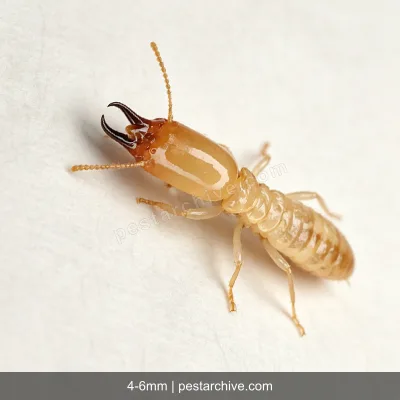
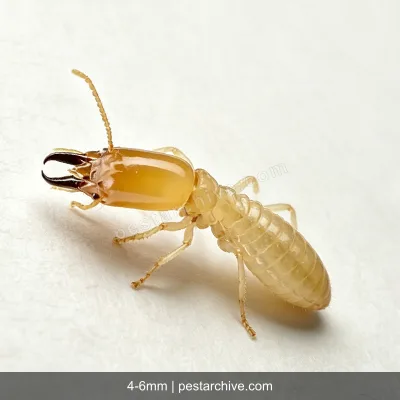
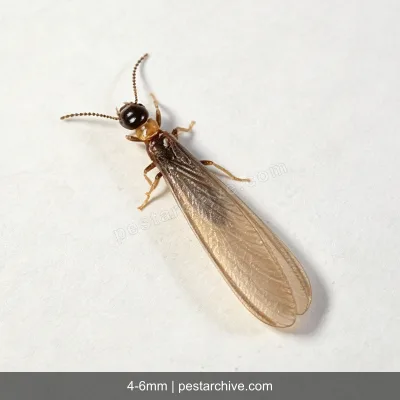
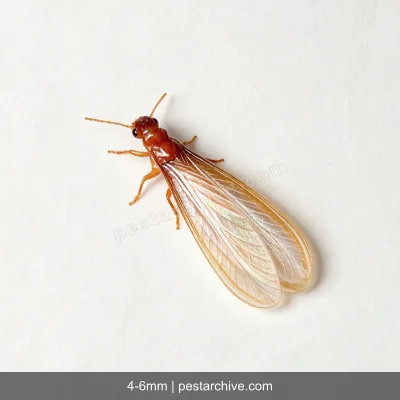
The short answer: A hollow door frame means termites have been feeding for months, they work from the inside out. Do not knock, dismantle, or spray ordinary household insecticides, that can scatter the colony and won’t reach the nest. Termites are a structural pest: the reliable solution is a licensed termite professional using soil termiticide barriers or a baiting system. DIY is limited to assessment, interim containment, and prevention, it rarely eliminates an established colony.
- Confirm it’s termites
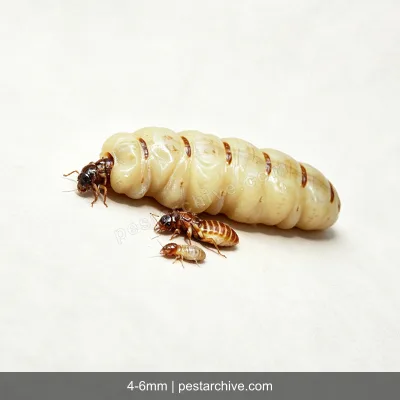
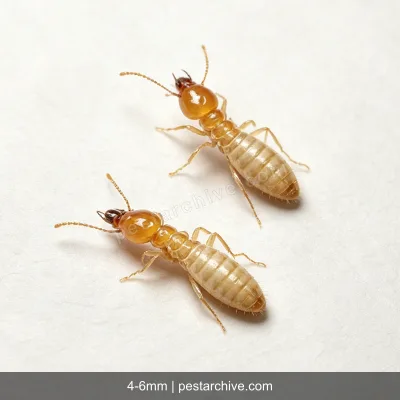
- Workers are 4–6 mm, pale white to cream, with a soft body, they avoid light.
- Mud tubes (shelter tubes), thin, earthen tunnels on the surface of wood or walls, termites use these to move while staying hidden.
- Frass, fine, wood-coloured pellets (faecal material) may fall out of holes.
- Hollow sound when tapping, a clear sign of internal damage.
- Why termites appear
- They come from soil colonies, foraging up to 100 metres.
- They need moisture, they often enter through areas where wood contacts soil or through plumbing leaks.
- They feed on cellulose, wood, paper, cardboard.
- Step 1: assess the damage
- Tap the door frame with a screwdriver or hammer, hollow sections indicate extensive tunnelling.
- Check areas near the floor and corners, that’s where they typically start.
- Determine if the damage is localised (one section) or widespread (entire frame).
- Step 2: locate mud tubes
- Carefully lift a small section of paint on the door frame, look for thin, brownish mud trails.
- Follow the tubes back to the main nest, they may lead to the foundation or a nearby wall.
- Do not break the tubes abruptly, it may alarm the termites and cause them to abandon the area.
- Step 3: why this needs professional treatment
- Termite colonies live in the soil or deep inside the structure, surface or household sprays don’t reach the queen, so the colony simply rebuilds.
- Effective termite control uses professional-grade methods: soil-applied termiticide barriers (e.g., fipronil or imidacloprid) or bait stations with slow-acting insect growth regulators that workers carry back to collapse the entire colony.
- These require correct placement and licensing, a certified termite technician will inspect, treat, and often guarantee the work.
- If you must act before the professional arrives, seal off the affected room and remove moisture sources, but treat any DIY step as interim only, it will not eradicate the colony.
- Step 4: when to call a professional
- If the door frame is severely damaged (large sections hollow) or if you find termites in structural walls, floors, or roof timbers.
- Professional termite control uses baiting systems, soil barriers, or whole-structure fumigation, these are far more effective and guaranteed.
- Termites are a serious structural issue, don’t risk your home’s safety.
- Long-term prevention
- Remove wood-to-soil contact (keep firewood and lumber away from foundation).
- Fix all leaks, termites need moisture.
- Schedule annual professional inspections if you live in a termite-prone area.
- Use treated wood for any new construction.
Common mistakes
- ❌ Spraying surface insecticide, it doesn’t penetrate the tunnels.
- ❌ Smashing the wood open, you’ll scatter the colony and make treatment harder.
- ❌ Ignoring the issue, termites can cause catastrophic damage within months.
Mini FAQ
Q: Can I treat termites myself with borax?
A: Borate wood treatments can help protect or spot-treat exposed timber, but they don’t eliminate a soil colony feeding inside your structure. For an active infestation, professional soil or bait treatment is the reliable fix.
Q: How do I know if termites are gone?
A: No new mud tubes, no frass, and no hollow sounds after 2–3 months. Professional monitoring is recommended.
Q: Are termites covered by home insurance?
A: Usually not, they are considered preventable maintenance. That’s why proactive inspection is crucial.
Your termite action list
- Tap to assess hollow areas and look for mud tubes (don’t disturb them).
- Contact a licensed termite professional, this is the reliable fix for an active colony.
- Remove moisture sources and any wood-to-soil contact.
- Replace severely damaged wood only after treatment.
- Schedule annual inspections.