What's the Best Treatment for Scale Insects?
What Damage Do Scale Insects Cause?
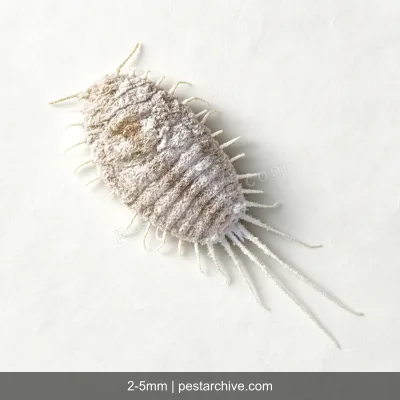
Scale insects are among the more damaging pests in gardens and orchards. Both adults and nymphs harm plants.
Direct Damage
- Sap feeding — Adults and nymphs use piercing-sucking mouthparts to insert into plant tissue and feed on sap
- Weakened trees — Large amounts of nutrients are drained, leading to slow growth and branch dieback
- Premature leaf drop — Leaves on severely infested trees turn yellow and drop early
- Fruit damage — When they infest fruit trees, fruit quality and yield are directly affected
Indirect Damage
- Honeydew contamination — Scale insects secrete large amounts of honeydew (sugar-rich excrement) while feeding
- Sooty mold — Honeydew coating leaves and branches fosters the growth of sooty mold fungi, forming a black mold layer
- Reduced photosynthesis — Leaves covered in sooty mold cannot photosynthesize properly
- Ant attraction — Ants feed on the honeydew and will protect scale insects, driving away their natural enemies
Which Plants Are Vulnerable?
Scale insects have a broad host range. Common victims include:
- Fruit trees: peach, plum, apricot, apple, pear, persimmon
- Ornamental trees: cherry blossom, crape myrtle, osmanthus, rose
- Landscape trees: poplar, willow, sycamore
Severity
When numbers are low, the impact is minor. But in severe cases, entire trees can be blanketed with scale insects — branches covered so densely you can barely see the bark. Heavy infestations can reduce yield by over 30%. Trees suffering severe damage two years in a row may die. Take action when you see the first few nymphs in early spring. Don't wait until it's a full-blown infestation.