Are sowbugs harmful to humans?
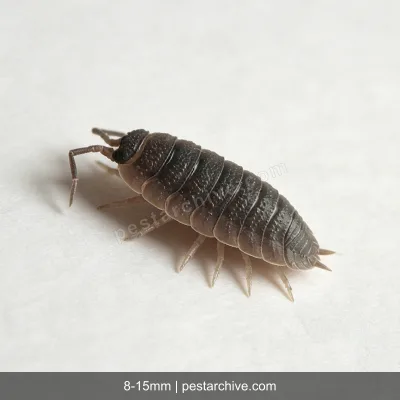
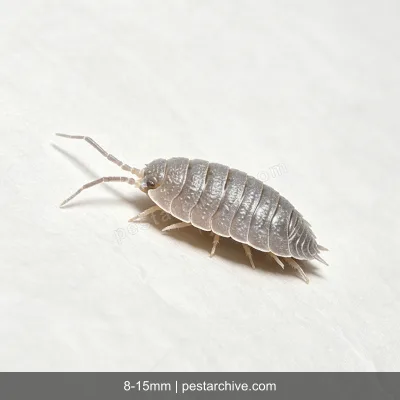
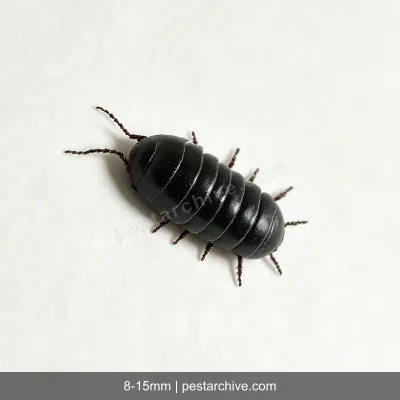
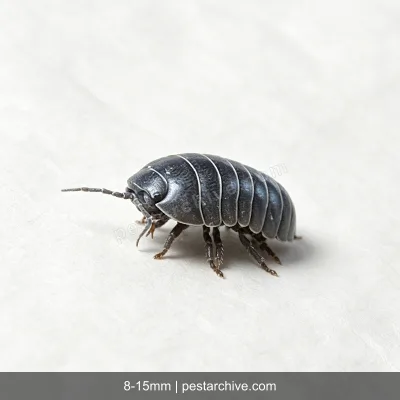
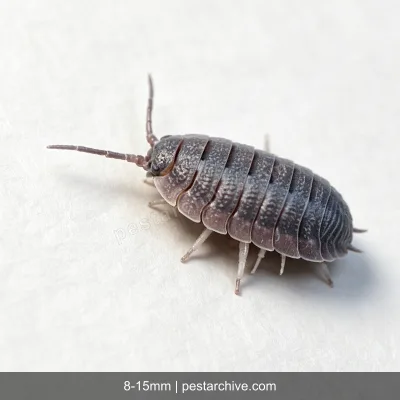
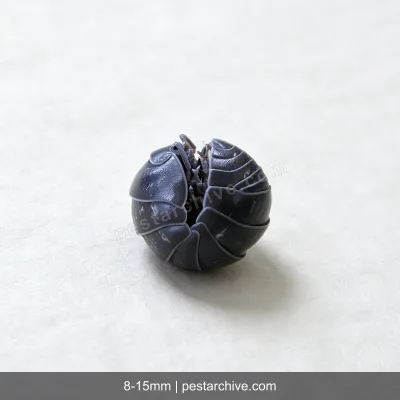
Are sowbugs harmful to humans?
Sowbugs are generally not directly harmful to humans, but their presence is an important environmental warning—it indicates that your home is too damp.
Direct harm—essentially none
- Do not bite—sowbugs only eat decaying plant matter, not living things.
- Do not sting—they have no stinger or venom.
- Do not suck blood—they only eat organic debris.
- Do not transmit diseases—they are not disease vectors.
Indirect effects—mainly psychological and hygiene concerns
- Unpleasant to see — Large numbers of sowbugs crawling around can be unsettling, especially in bathrooms.
- Environmental warning — Their presence indicates high humidity and insufficient ventilation.
- Mold risk — Damp environments are prone to mold growth, and mold spores can cause allergies or respiratory issues.
- Hygiene is a minor concern — Sowbugs mainly live in decaying plants and soil; they are not likely to contaminate food.
Sowbugs are living hygrometers
Sowbugs are extremely sensitive to environmental humidity—their gills (located at the base of their legs) require a moist environment to function. Dry conditions will cause them to dehydrate and die. So wherever sowbugs appear, it indicates excessive humidity.
Treatment recommendations
- Don't just focus on the sowbugs themselves; the underlying dampness they reveal is the real issue.
- Dehumidification, ventilation, and cleaning are the fundamental solutions.
- Use bifenthrin sprays to kill existing sowbugs.
- The disappearance of sowbugs doesn't mean the humidity problem is solved; continue dehumidifying to prevent recurrence.