How to Reduce Dust Mites in Your Home?
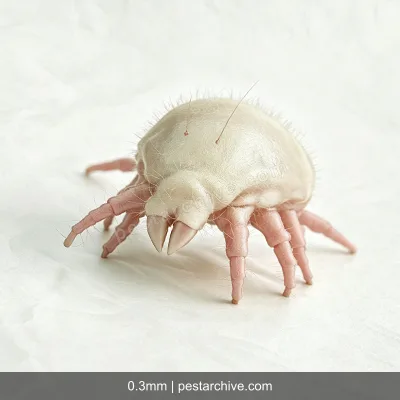
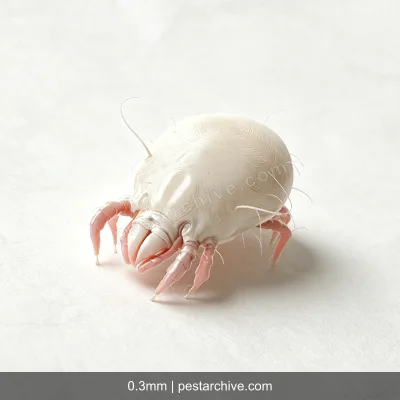
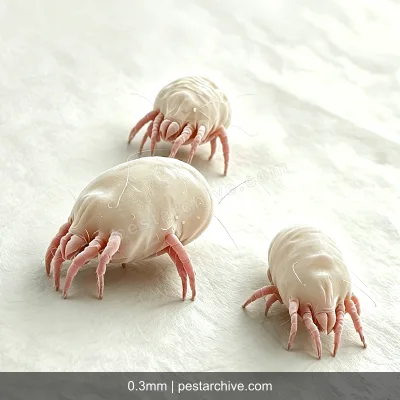
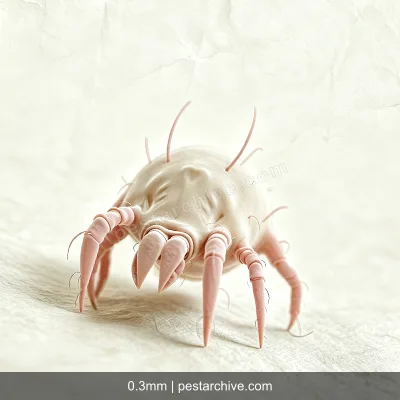
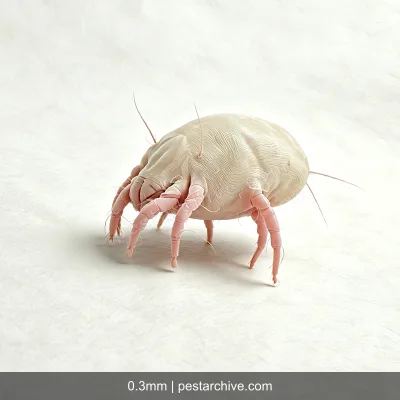
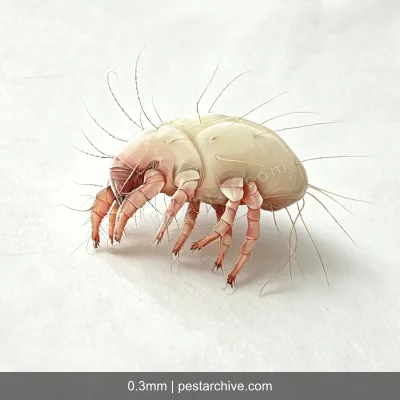
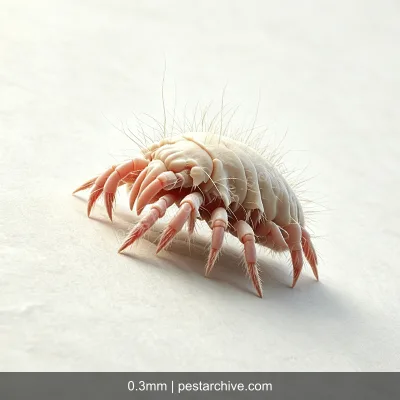
The short answer: You cannot eliminate dust mites completely, but you can reduce their numbers significantly. The most effective methods: reduce humidity below 50%, wash bedding weekly at ≥60°C, use allergen-proof covers, and vacuum with a HEPA filter. These steps will dramatically lower allergen levels and improve allergy symptoms within 2–4 weeks.
- Confirm it’s dust mites
- Dust mites are microscopic (0.3–0.5 mm), you cannot see them with the naked eye.
- They live in bedding, upholstery, carpets, and stuffed toys.
- They feed on dead skin flakes, each person sheds about 1.5 grams per day, enough to feed millions of mites.
- Allergic symptoms, sneezing, runny nose, itchy eyes, wheezing, are the main indicators.
- Where do they come from?
- They are present in every home, they thrive in warm, humid conditions (relative humidity >60%).
- They don’t fly or crawl, they are carried by air currents and settle in fabrics.
- Step 1: use allergen-proof bedding covers
- Encase your mattress, duvet, and pillows in tightly-woven covers with a pore size ≤10 microns.
- These covers prevent mites from colonising the filling and block allergen particles from escaping.
- They do not kill mites, but they reduce your exposure significantly.
- Step 2: wash in hot water weekly
- Wash all bedding (sheets, duvet covers, pillowcases) in water at 60°C or higher, this kills mites and breaks down allergens.
- Cold water does not kill them, even with laundry sanitiser.
- After washing, dry on high heat in the dryer, or hang in direct strong sunlight (UV rays help).
- I wash my bedding every Sunday, it’s a routine that keeps my allergy symptoms in check.
- Step 3: vacuum with HEPA filter
- Vacuum the mattress, carpets, and upholstery regularly, at least once a week.
- Use a vacuum with a HEPA filter to trap allergens; otherwise, they blow back into the air.
- Pay special attention to mattress seams, edges, and the surface, dead mites and droppings accumulate there.
- Sun-drying alone isn’t enough, you must vacuum afterward to remove the allergen bodies.
- Step 4: control humidity
- Maintain indoor relative humidity below 50%, use a dehumidifier, especially in humid seasons.
- At 50% humidity, mites stop reproducing; below 40%, they die from dehydration.
- In my experience, after 2 weeks of continuous dehumidification, my morning sneezing noticeably eased.
- Also ventilate rooms, open windows when outdoor humidity is lower.
- Step 5: reduce clutter and soft furnishings
- Remove stuffed toys from the bedroom, if you must keep them, wash them or freeze them at -18°C for 24 hours.
- Replace heavy curtains with washable blinds or roller shades.
- Choose leather or vinyl furniture instead of fabric upholstery.
- Carpets are mite magnets, consider replacing with hard flooring, or vacuum them thoroughly with HEPA.
- Step 6: freeze small items
- Place stuffed animals, throw pillows, and small blankets in a plastic bag and freeze at -18°C for 24 hours.
- Freezing kills mites, but you must then shake them out or wash to remove the allergen particles.
Common mistakes
- ❌ Washing in cold water, doesn’t kill mites.
- ❌ Forgetting to vacuum after sun-drying, dead bodies still trigger allergies.
- ❌ Not using a dehumidifier, even with washing, high humidity allows them to rebound quickly.
Mini FAQ
Q: How long does it take to see improvement in allergy symptoms?
A: Typically 2–4 weeks of consistent humidity control and weekly washing.
Q: Can I use chemical sprays to kill dust mites?
A: Acaricides are available, but they are not necessary if you follow the above steps. Some may irritate airways.
Q: Do air purifiers help?
A: Yes, a HEPA air purifier can capture airborne mite allergens, but it doesn’t replace source reduction.
Your dust mite reduction list
- Install allergen-proof covers on mattress, pillows, duvet.
- Wash bedding weekly at ≥60°C.
- Vacuum mattress and carpets with HEPA filter.
- Keep indoor humidity below 50% with dehumidifier.
- Remove clutter and fabric items.
- Freeze small toys/blankets for 24 h.
- Repeat routine, it’s ongoing.