Dust Mite Allergy: Symptoms, Causes, and Relief
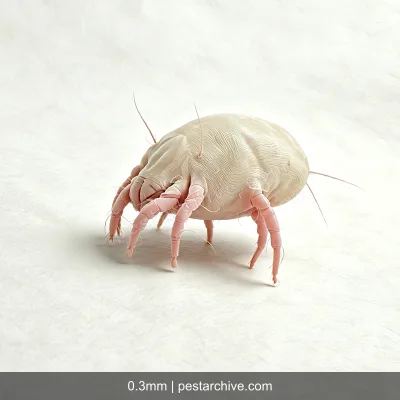
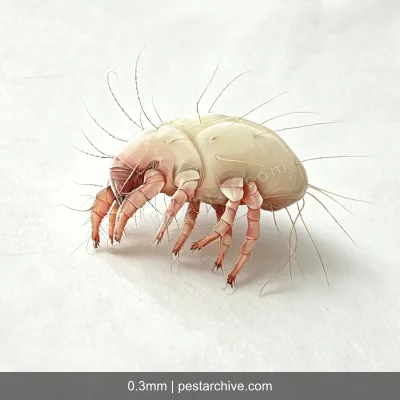
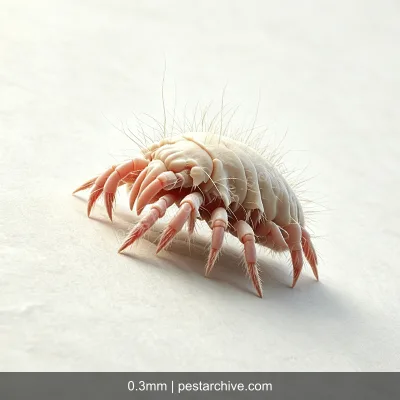
Do Dust Mites Bite?
No, dust mites do not bite. This is a common misunderstanding. A lot of people think itchy skin means dust mites are biting them, but that’s not what’s happening.
Why don’t dust mites bite?
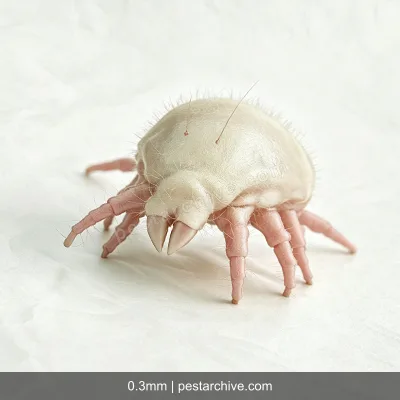
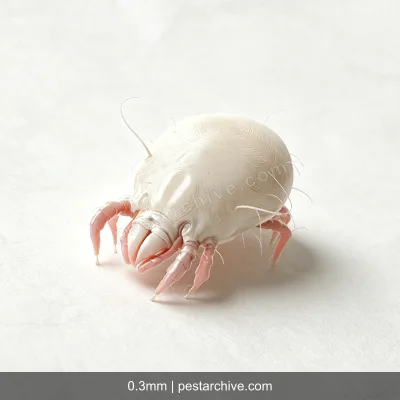
Dust mites have chewing mouthparts designed to eat dead skin flakes and food crumbs. They are physically incapable of piercing human skin to suck blood. They’re nothing like mosquitoes, fleas, or bed bugs—those pests have specialized piercing-sucking mouthparts for blood-feeding.
What actually triggers the allergy?
What makes you miserable isn’t dust mite bites. It’s the following things floating in the air that cause allergic reactions when inhaled or when they land on your skin:
- Dust mite fecal pellets — This is the #1 allergen. Each dust mite produces about 20 fecal pellets a day.
- Dust mite secretions — Saliva, digestive enzymes, and other bodily fluids.
- Shed exoskeletons — Dust mites molt several times as they grow. These empty shell fragments are allergenic.
- Decomposing body fragments — When dust mites die, their bodies break down into tiny allergenic particles that float in the air.
Allergy symptoms
Typical dust mite allergy symptoms include:
- Stuffy nose, sneezing, and runny nose when you wake up in the morning
- Symptoms get worse when making the bed or fluffing pillows
- Itchy, red, watery eyes
- Skin rash, itching (atopic dermatitis)
- Nighttime coughing, chest tightness (allergic asthma)
How to tell it apart from a common cold
Dust mite allergy symptoms and a cold can feel similar, but there are key differences: allergies don’t cause fever; allergy symptoms persist for weeks or even months (a cold usually clears up in 7–10 days); symptoms are worst when you first wake up (because you’ve been exposed all night in bed); and symptoms are worse in the bedroom than in other rooms.
- The telltale sign: If your symptoms clear up or almost disappear when you travel or stay elsewhere, then return the night you’re back home or the next morning—that’s basically dust mite allergy.
So dust mite control isn’t about preventing “bites.” It’s about controlling the allergens floating in your indoor air.