How to Tell Bed Bug Bites from Mite Bites
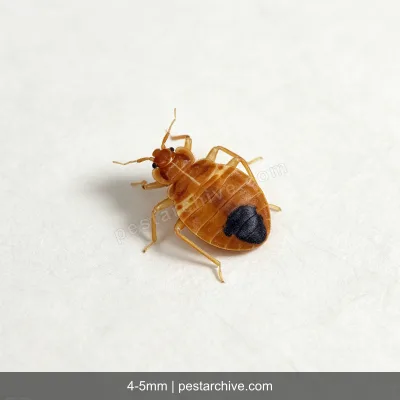
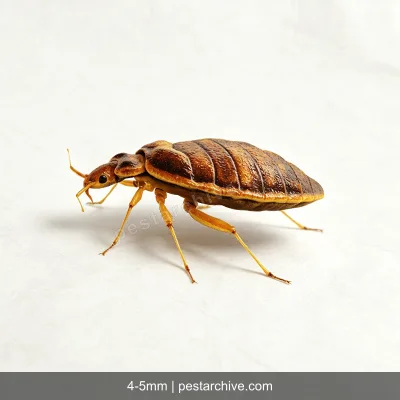
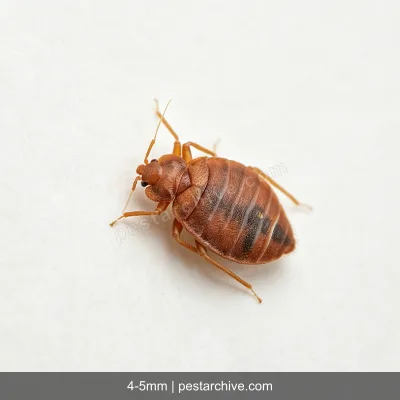
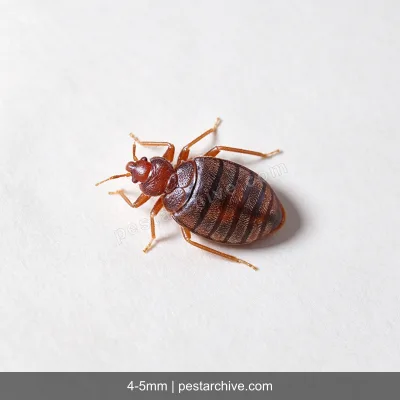
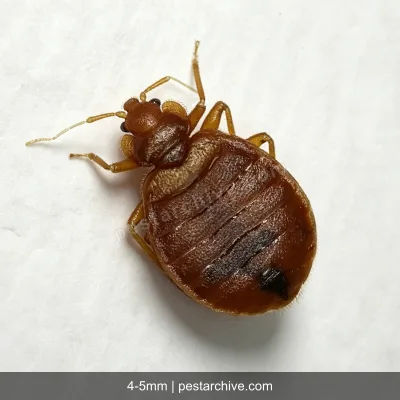
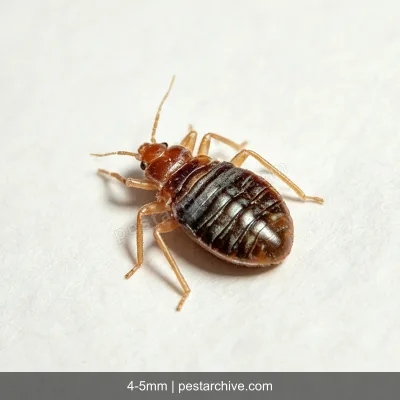
Real scene: You wake up in the morning with five red, itchy bumps on your arm, roughly in a line. You start searching online for images to compare: bed bugs or mites? Using the wrong treatment method can waste weeks. Telling them apart is the first step to effective control.
Quick answer: Three things can help you tell bed bug bites from mite bites: bite pattern (bed bugs leave lines or clusters; mites leave scattered, random bites), bite location (bed bugs bite exposed skin while sleeping; mites prefer thin-skinned areas like the waist and armpits), and when you discover the bites (bed bugs bite at night, with new bumps found in the morning; mites can bite at any time).
Bite pattern: The most obvious difference
Bed bug bites have a characteristic pattern, often called the breakfast-lunch-dinner pattern. A single bed bug, moving across the skin, bites every one to two centimeters, leaving a line or a tight cluster of three to five bumps. This happens because the bug is interrupted by the person's slight movements during feeding, moves a short distance, and continues. So if you see bites in a line or a small cluster, bed bugs are highly suspect.
Mite bites are usually scattered with no clear pattern. They can appear anywhere. That's because mites (like chiggers and bird mites) don't bite in a line. They bite randomly in the area they've contacted.
Bite location
- Bed bugs: Bite skin that's exposed while sleeping: face, neck, arms, hands, shoulders, back, and legs. They rarely bite areas below the waist that are covered by blankets.
- Mites: Prefer thin-skinned areas: the waist (where clothing rubs), armpits, groin, behind the knees, and inner ankles. Some mites, like chiggers, prefer the thinnest skin in folds and creases.
Bite timing
- Bed bugs: Almost exclusively nocturnal. They're most active 30 minutes to 2 hours after lights go out. You find new bumps when you wake up in the morning, but they weren't there before bed.
- Mites: Can bite at any time, but most species are also active at night. Bite timing alone isn't enough to tell them apart.
Reaction differences
- Both cause red bumps and intense itching. Just looking at the bumps isn't a reliable way to tell them apart.
- About 30% of people show no visible reaction to bed bug bites. No redness, no itching. So two people in the same room may have one covered in bumps and the other with nothing. This isn't because the bed bugs prefer one person. It's just a difference in individual reaction.
- Mite bites almost always cause an itching reaction. Fewer people are non-reactive to mite saliva.
Look for environmental evidence
If the bite characteristics are unclear, check for environmental evidence:
- Environmental evidence for bed bugs: Dark fecal spots in mattress seams, shed skins, and live bugs (shine a phone flashlight along mattress edges to check). If you find these physical clues, bed bugs are confirmed.
- Environmental evidence for mites: Signs of mold or dampness in the room, or evidence of birds or rodents (mites often live on these animals and spread with them), or recent contact with grass or shrubs (chiggers).
Treatment directions are completely different
Once you've identified which one it is, the treatment direction is completely different. Bed bugs need a combination of mattress heat treatment, physical removal, and residual spraying. Mites require identifying the specific type and targeting the source: bird mites require removing birds and their nests, dust mites require dehumidifying and mold removal, and flour mites require managing dried food. Using bed bug methods on mites, or the other way around, is a waste of time.
Common mistakes
- Mistake 1: Any bite is a bed bug bite. Fact: Mosquitoes, fleas, mites, and even contact dermatitis can all cause similar red, itchy bumps. You can't 100% confirm bed bugs just by looking at the bite. You must combine it with environmental evidence (fecal spots, shed skins, live bugs) to confirm.
- Mistake 2: Only I get bitten, so it's not bed bugs. Fact: About 30% of people don't react to bed bug bites. They don't get red or itchy. So one person in the room may be covered in bumps while the other feels nothing. That doesn't rule out bed bugs.
What to do if you're not sure
If bites keep appearing and you can't identify the source, stop guessing. Write down the details (bite locations, timing, pattern). If you can, use transparent tape to collect any insect samples from suspicious areas. Take this information to a dermatologist and a licensed pest control professional for diagnosis at the same time. The dermatologist assesses the bites, and the pest control company inspects the environment and searches for the source.