How to completely eliminate drain flies?
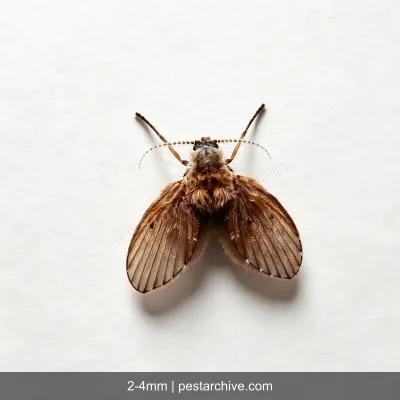
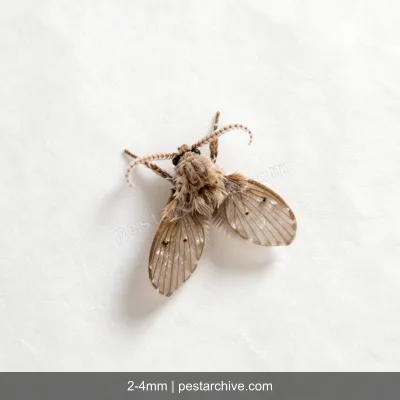
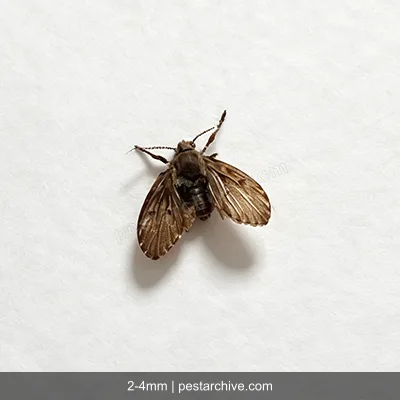
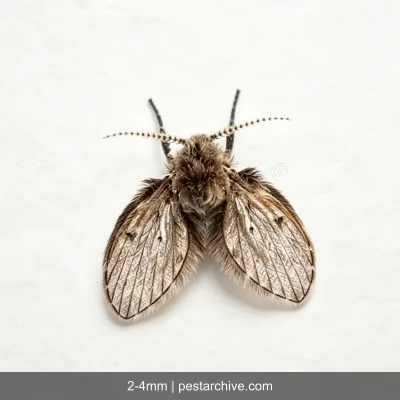
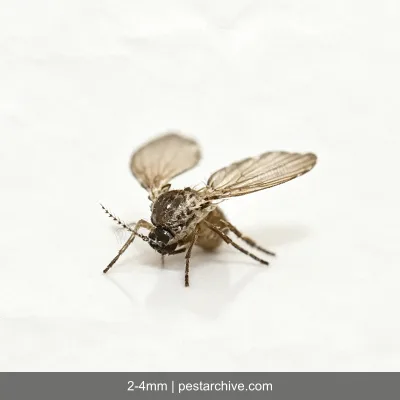
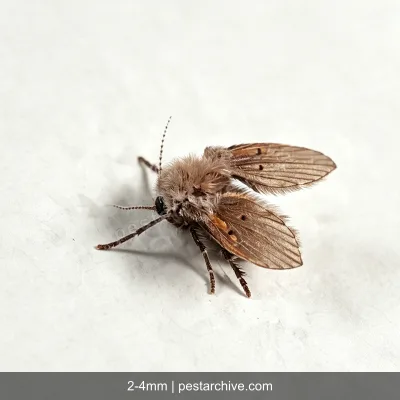
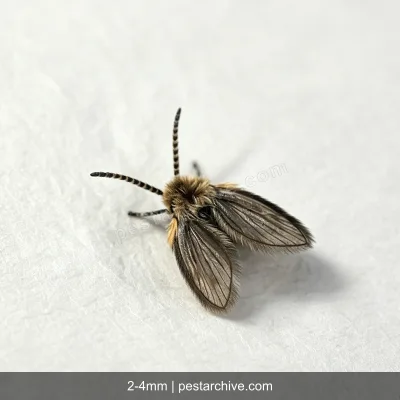
The short answer: Drain flies breed in the organic sludge inside pipes, they don’t come from outside. To eliminate them, you must physically scrub the pipe walls and flush with boiling water to remove the biofilm where larvae live. Spraying adults on walls is temporary, without pipe cleaning, new ones will emerge in 2–3 days.
- Confirm it’s drain flies
- Also called moth flies, they are 2–3 mm, with fuzzy, powdery-looking wings.
- They are greyish-brown and hold their wings roof-like over the body when resting.
- They hover near sinks, bathtubs, floor drains, and toilet bowls.
- They don’t bite, but they are a nuisance and indicate hygiene issues.
- Where do they come from?
- They breed in the gelatinous biofilm (sludge) that accumulates on the inner walls of drainpipes, around the trap, and in overflow holes.
- The biofilm consists of soap scum, hair, grease, and bacteria, it’s a perfect larval food.
- They can also breed in the drip tray of refrigerators or air conditioners if water pools there.
- Step 1: clean the drains (fundamental)
- Remove the floor drain cover and use a stiff brush (old toothbrush works) to scrub the inner walls of the pipe as far as you can reach.
- Disassemble the U-trap under sinks and washbasins, clean the sludge from the bends.
- After scrubbing, pour a kettle of boiling water (about 2 litres) slowly down the drain, this kills remaining eggs and larvae.
- For stubborn biofilm, use a drain cleaner enzyme product (non-chemical) that digests organic matter, follow the instructions.
- Step 2: treat overflow holes and other spots
- Many sinks have overflow holes, use a small brush or pipe cleaner to scrub them.
- Also clean the drain of the bathtub and toilet bowl rim (if you see flies emerging).
- Check the air conditioner condensate pan, empty and clean it if it’s slimy.
- Step 3: apply residual spray for adults
- After pipe cleaning, spray dinotefuran-containing household insecticide on bathroom walls, corners, and around the floor drain.
- Focus on areas where adults rest, they will land and die from contact with the film.
- The residual film lasts 2–4 weeks, this helps kill any stray adults that emerge after cleaning.
- Step 4: ongoing prevention
- Pour boiling water down each drain once a week, this prevents biofilm re-establishment.
- Keep floor drain covers closed when not in use, this blocks adults from escaping.
- Fix any leaks, standing water promotes biofilm growth.
- Run exhaust fans to keep the bathroom dry, high humidity favours drain flies.
- Why spraying alone fails
- I’ve seen people spray insecticides on the bathroom walls every day, but flies keep appearing, because the larvae in the pipes are untouched.
- Only after scrubbing the pipes did the problem disappear permanently. So always start with physical cleaning.
Common mistakes
- ❌ Only spraying adults, you’ll never get rid of them.
- ❌ Using bleach alone, it may kill some but doesn’t remove the biofilm; scrubbing is essential.
- ❌ Forgetting the overflow hole, it’s a common overlooked breeding site.
Mini FAQ
Q: How long does it take to see results?
A: After thorough cleaning, you should see a dramatic reduction within 2–3 days. If not, re-scrub.
Q: Can drain flies come from outside?
A: Rarely, they almost always breed indoors in pipes.
Q: Is boiling water safe for PVC pipes?
A: Yes, boiling water is safe for short contact. Avoid pouring it into damaged or old pipes, but standard pipes can handle it.
Your drain fly elimination list
- Scrub pipe inner walls with a brush.
- Clean U-trap and overflow holes.
- Pour boiling water down drains.
- Apply dinotefuran spray on walls/edges.
- Pour boiling water weekly for prevention.
- Keep drains covered when not in use.