How to Clean Drains to Stop Drain Flies
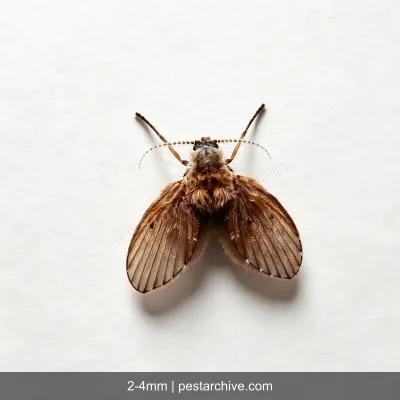
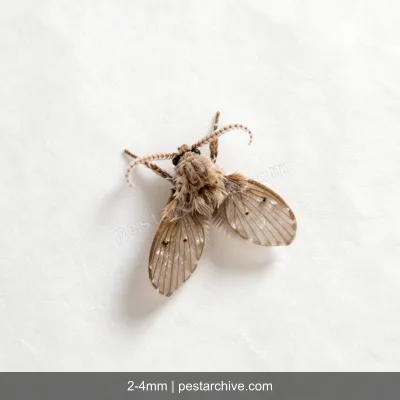
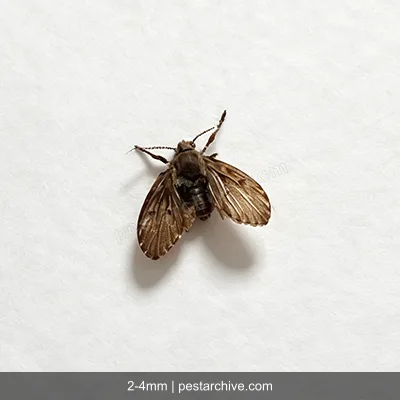
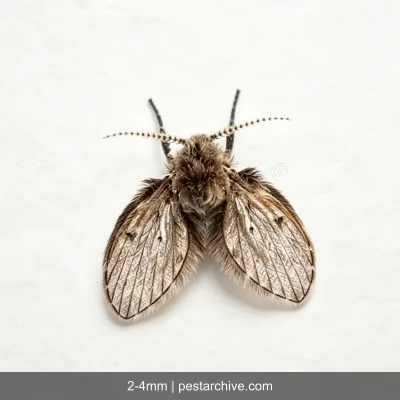
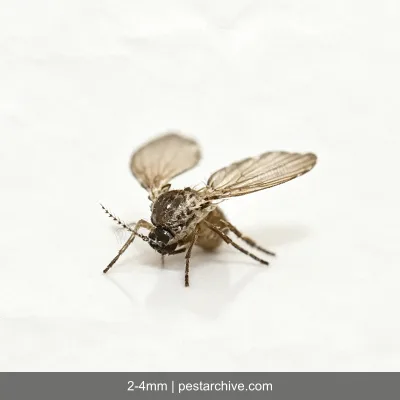
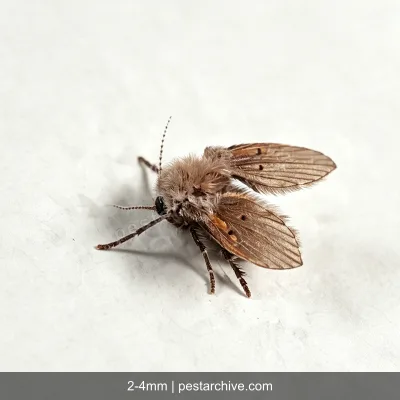
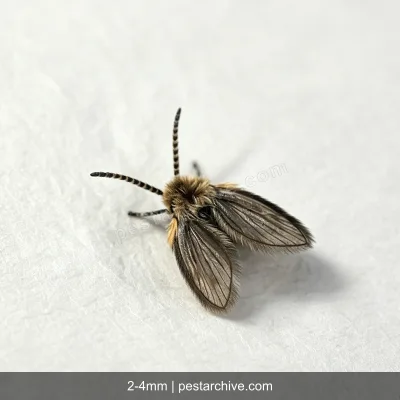
Where Do Drain Flies Come From?
The vast majority of drain flies come from the drain pipes. Understanding their source is the only way to control them effectively.
Primary Source — The Drain
Drain fly larvae live in the slime layer on the inside of wastewater pipes:
- The larvae feed on organic debris and microorganisms inside the pipes.
- When mature, the larvae pupate on the inner pipe wall.
- The emerging adults follow the pipe up and into the bathroom.
- Floor drains, sink drain pipes, and toilet base crevices are all exit points.
- This is why the bathroom is where drain flies are most numerous.
Secondary Sources
- Outdoor drainage ditches, septic tanks, and storm drains
- Long-unused drain pipes (with stagnant water accumulated inside)
- Air conditioner condensate drain outlets
- Plant saucers with long-standing water can also breed small numbers
Why Swatting Adults Alone Does Not Work
- Adult drain flies live only 1–2 weeks.
- But larvae keep hatching inside the pipes.
- Swat one batch of adults today, and a new batch emerges tomorrow.
- Killing only adults is like pulling weeds without removing the roots.
How to Identify the Source
If large numbers of drain flies appear in the bathroom, you can be almost certain the drain is the problem. Focus inspection on the floor drain and the sink drain pipe — these are the two most common breeding sites.