Where Do Flour Mites Come From?
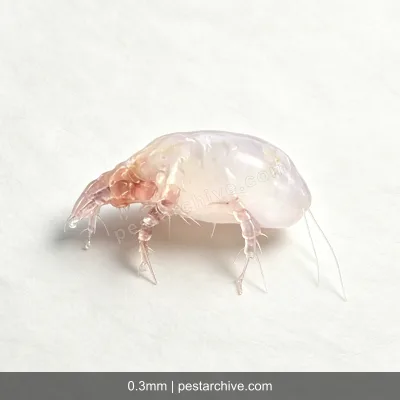
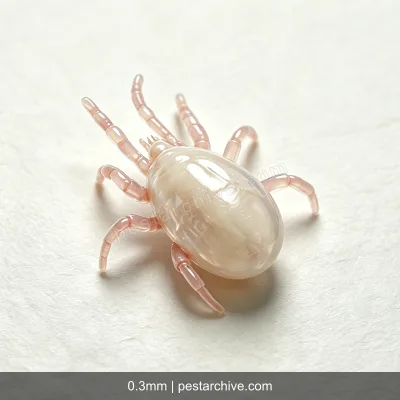
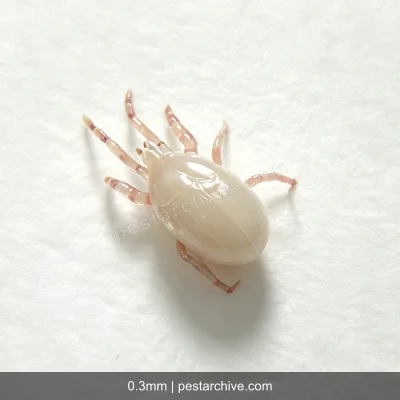
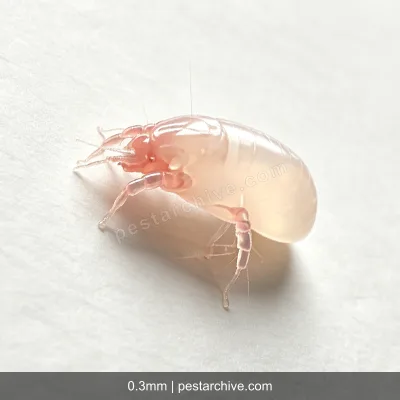
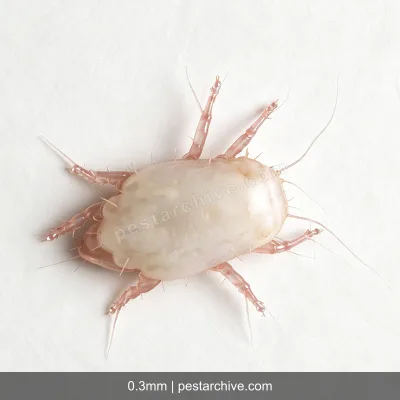
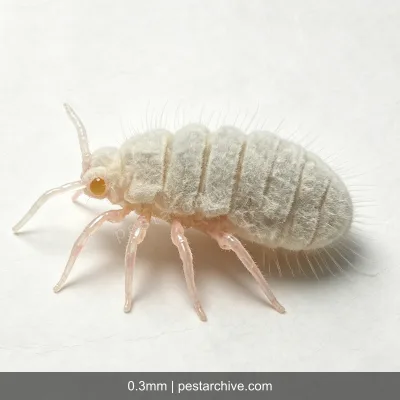
Real scene: You open a bag of flour that's been in the cabinet for a couple of months to make a cake. On the surface of the flour, there's a layer of extremely fine grayish-white powder that seems to be moving. You lean in closer. It's not powder. It's a dense mass of tiny mites. You toss the whole bag out right away, but you can't help wondering: How did they get in? Have the rice and other grains next to it already been contaminated?
Quick answer: Flour mites enter homes through three main routes. The most common is that the grains or dried goods already contain mite eggs when you buy them, and they start reproducing when temperature and humidity are right. The second is that opened food isn't stored in airtight containers, and environmental mites crawl in. The third is that kitchen cabinets stay damp long-term, creating ideal conditions for mites. When checking for the source, start with flour, rice, grains, and pet food. These are flour mites' favorite foods.
Source 1: Brought in with food (most common)
Flour mite eggs and larvae are very small. Adults are only 0.3 to 0.5 mm long. You can just barely see them, but you can't make out any detail. During production, warehousing, and transport, mites may already be in the product. When you bring it home, if your kitchen temperature and humidity are suitable (23 to 28 degrees C, relative humidity above 70%), the dormant eggs start to hatch. In less than two weeks, they can establish a new population.
Foods most likely to carry flour mites: flour, all types of grain flours (corn flour, glutinous rice flour, etc.), rice, millet, oatmeal, dried fruit, milk powder, and pet food, especially cat and dog food with high fish meal content.
Source 2: Opened and not stored in airtight containers
Flour mites are tiny. They can easily crawl through gaps in unsealed packaging. A folded-over paper bag or plastic bag with a clip is essentially an open door to them. Once mites from the environment get into the bag, the food inside provides a plentiful food supply, and they reproduce rapidly. The fine powder you see at the bottom of a flour bag isn't just flour. It's mixed with mite bodies, shed skins, and droppings.
Source 3: Damp cabinet environment
Flour mites absorb moisture from the air through their body walls. They can't survive in dry environments. If your kitchen cabinet is near the sink or stove, has poor ventilation, and a damp floor, humidity often exceeds 70%. Even without direct introduction of eggs, environmental mites are attracted to the dampness and high-carb food sources. The flour dust and grain debris that accumulate in cabinet cracks and corners are ideal food-plus-habitat for flour mites.
What to do if you find flour mites
- Immediately seal any flour or grains with mites in a plastic bag and take them to the outdoor trash. Don't try to sift or pick out the mites. Their eggs and droppings are already throughout the whole bag.
- Check all other dried goods in the same cabinet: look at the bottom for moving fine powder, and smell for any musty or sweet-sickly odors (flour mite colonies produce a distinct smell when large).
- Empty the cabinet. Vacuum the floor and corners thoroughly to remove all dust and debris. Seal and discard the vacuum bag. Wipe all surfaces with hot water and white vinegar. Let dry.
- Transfer any remaining clean dried goods to glass jars with seals or food-grade plastic airtight containers.
Preventive measures
- Freeze new flour and grain flours for 48 hours before storing them. This kills any mite eggs that may be present.
- Transfer all opened dry goods to airtight containers. Original packaging doesn't keep pests out.
- Keep cabinets dry. Place a moisture absorber box inside. Keep relative humidity below 50%. Flour mites can't reproduce at that level.
- Don't stockpile too much flour and grain. Buy according to how quickly your household uses them. A one- to two-month supply is enough. The longer they sit, the higher the risk.
Common mistakes
- Mistake 1: Flour mites are caused by poor cleanliness. Fact: Flour mites have nothing to do with cleanliness. They're about storage method and humidity. A spotless kitchen with flour left open can still have flour mites.
- Mistake 2: Flour with mites can be sifted and eaten. Fact: Mite droppings and body fragments are already mixed into the flour. These substances can cause allergic reactions in some people, especially those allergic to dust mites. It's best to discard it.
- Mistake 3: Keeping flour in the fridge prevents mites. Fact: Refrigerator temperature (about 4 degrees C) only stops mites from reproducing. It doesn't kill them or their eggs. They'll become active again when temperatures rise. Only freezing for over 48 hours kills them.