Pantry Moths: How to Get Rid of Indian Meal Moths?
The short answer: Indian meal moths are the most common pantry pests, adult moths flying around mean larvae are already feeding in your dry goods. You must find and discard all infested food, vacuum and wipe pantry shelves, and store all dry items in airtight containers. Pheromone traps help catch males but won’t eliminate larvae, source removal is essential.
- Confirm it’s Indian meal moths
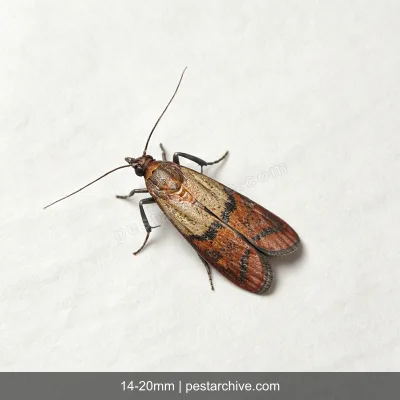
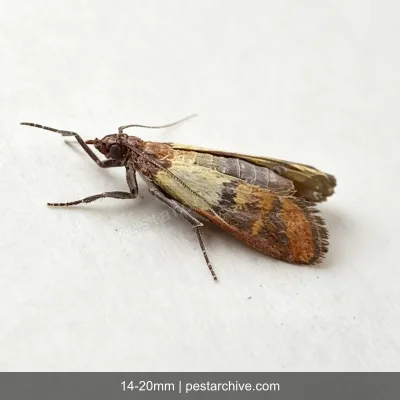
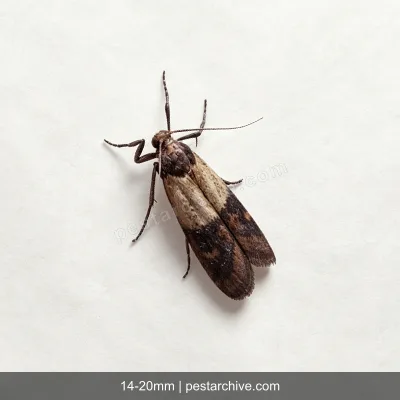
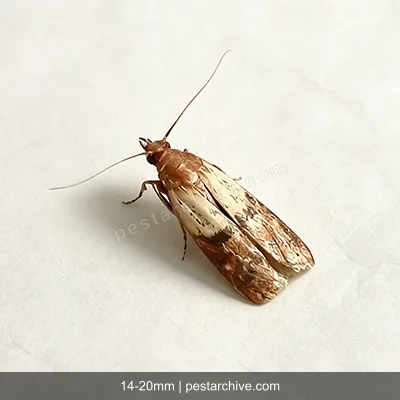
- Adults have a wingspan of 1.3–1.8 cm, with two-toned wings: inner half pale grey, outer half coppery-brown.
- They rest with wings folded roof-like over the body.
- Most active at dusk and night; you may see them fluttering around kitchen lights.
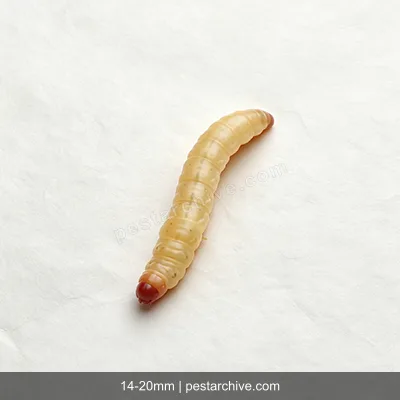
- Larvae are small whitish caterpillars with brown heads, they spin silk webbing, leaving clumps of grain stuck together.
- Where do they come from?
- They are introduced through infested dry goods, flour, rice, cereal, pet food, birdseed, dried fruits, nuts, and spices.
- Eggs are laid on the surface of food or in packaging crevices.
- They can also come from outdoor sources but usually breed indoors once introduced.
- Step 1: locate the source
- Check all opened and unopened packages of dry goods.
- Look for webbing, clumped grains, or small caterpillars.
- If you find any, seal the entire package in a plastic bag and dispose of it outdoors immediately.
- Do not just sift out the larvae, eggs and webbing remain.
- Step 2: clean the pantry thoroughly
- Remove all remaining dry goods from the pantry.
- Vacuum every shelf, corner, and crevice, pay attention to the edges and any seams in the cabinet.
- Wipe shelves with warm soapy water, then with a vinegar solution to remove pheromone trails that attract moths.
- Check behind and under appliances, spilled grains may have fallen there.
- Step 3: treat uninfested items
- Any uninfested opened packages should be transferred to glass or heavy-plastic airtight containers.
- To be safe, you can freeze new grains at -18°C for 48 hours to kill any hidden eggs before storing.
- For spices, dried chilli, and herbs, they can also be infested; store them in small glass jars.
- Step 4: use pheromone traps
- Place Indian meal moth pheromone sticky traps in pantry corners, they lure and catch male moths, breaking the breeding cycle.
- They are monitoring tools, not complete solutions, they won’t stop larvae from feeding.
- Replace traps every 2–3 months according to the label.
- Step 5: ongoing prevention
- Buy dry goods in quantities you can use within a month or two, don’t stockpile.
- Transfer all grains into airtight containers immediately after purchase, don’t leave them in paper or plastic bags.
- Inspect shelves monthly for signs of webbing or moths.
Common mistakes
- ❌ Throwing away only the visible larvae, eggs might still be in the package.
- ❌ Not cleaning shelves after removing infested food, residues attract new moths.
- ❌ Relying solely on traps, they don’t remove the source.
Mini FAQ
Q: Can I eat food with webbing if I remove the larvae?
A: No, discard it entirely; the webbing and droppings are not safe.
Q: How long do adult moths live?
A: About 1–2 weeks, they mate and lay eggs quickly.
Q: Are Indian meal moths harmful to humans?
A: They don’t bite, but they contaminate food with silk and feces.
Your pantry moth action list
- Find and discard all infested packages.
- Vacuum and wipe pantry shelves.
- Transfer uninfested goods to airtight containers.
- Freeze new grains for 48 hours before storage.
- Set pheromone traps in corners.
- Monitor monthly, prevention is key.