How to Prevent Fruit Flies in the Kitchen
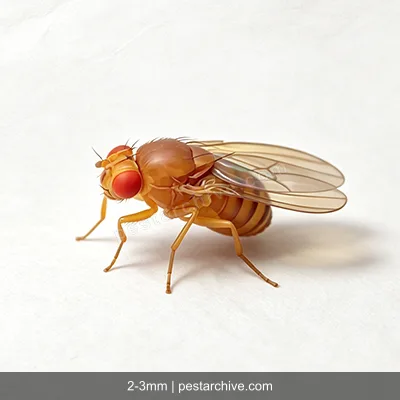
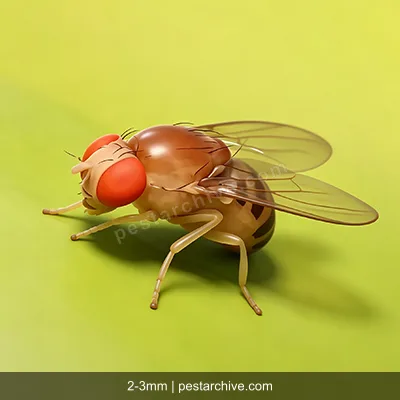
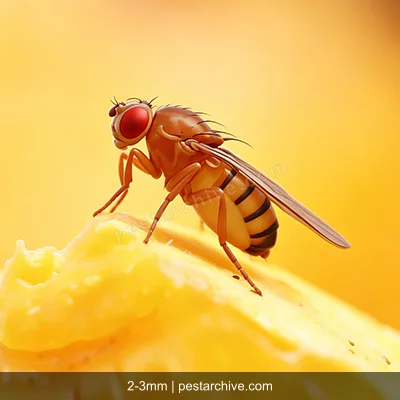
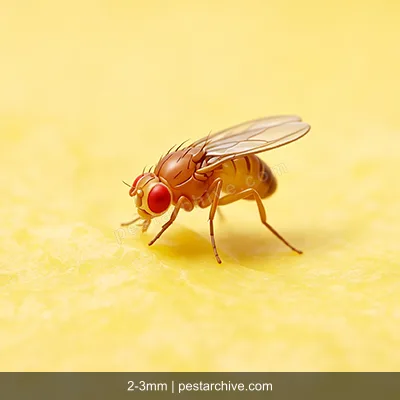
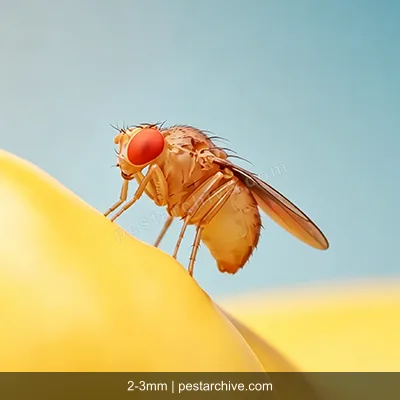
Real scene: It's summer. You bought a bunch of bananas and left them on the kitchen counter. Two or three days later, you notice a cloud of tiny flies buzzing around them. You wave them away, but half a day later they're back. That's fruit flies. They didn't appear out of nowhere. Your kitchen has exactly what they're looking for: fermenting food.
Quick answer: Fruit flies are drawn to ripe or rotting fruits and vegetables. They lay eggs on peels, kitchen scraps, and drain residue. Prevention takes three steps: put fruit in the fridge, use a covered trash can and empty it daily, and clean sink strainers after every use. For adults that are already there, a homemade vinegar trap catches them fast.
Where fruit flies come from
Fruit flies have an extremely sensitive sense of smell. They can detect ripe fruit and fermenting material from dozens of yards away. They're only 2 to 3 mm long, so screens and door gaps don't stop them. A single female can lay 50 to 100 eggs at a time. In warm summer weather, they go from egg to adult in just 8 to 10 days. That means a couple of flies that flew in a week ago could be hundreds a week later.
Fruit flies lay eggs on the surface of fermenting or rotting organic material. Their larvae (tiny white maggots) feed on yeast and decaying tissue. The most common breeding spots are: overripe fruit, kitchen trash cans, food scraps caught in sink strainers, and empty beer bottles or juice glasses left unwashed.
Step 1: Manage your fruit
- Put fruit and vegetables in the fridge as soon as you bring them home. Fruit flies can't complete their life cycle below 4 degrees C.
- For fruit that needs to stay at room temperature, like bananas, mangoes, and tomatoes, keep them in a well-ventilated spot. Don't pile them up, and check them daily.
- Eat ripe fruit first. Don't wait until it gets mushy. If something is starting to overripen, eat it that day or peel, chop, and freeze it.
- Wrap cut melons and fruit in plastic wrap and refrigerate them. Don't leave cut surfaces exposed to the air.
- For room-temperature vegetables like potatoes, onions, and garlic, cut off any rotten spots right away and refrigerate the rest, or just throw them out.
Step 2: Manage your trash can and sink
- Your kitchen trash can must have a lid. An open can is a 24/7 all-you-can-eat buffet for fruit flies.
- Take kitchen scraps, especially fruit peels, cores, and vegetable trimmings, out daily. Don't leave them overnight. In summer heat, peels start fermenting within hours, and fruit flies smell it.
- Wash the trash can itself at least once a week. Use hot water and dish soap to scrub the inside walls and bottom. This removes leftover juices and fruit fly eggs.
- Clean your sink strainer after every use. Put food scraps in the trash. Don't rinse them down the drain. They rot on the pipe walls and become a breeding site.
- Once a week, pour a kettle of boiling water down the drain. The heat kills any fruit fly eggs and larvae on the pipe walls. After that, pour in a mixture of baking soda and vinegar, let it sit for 15 minutes, then rinse with more hot water. This cleans out organic residue from the pipe walls.
Step 3: Deal with adults that are already there
If fruit flies are already flying around your kitchen, physical removal is more effective and safer than spraying:
- Vinegar trap: Take a small bowl or cup and add about 2 cm of apple cider vinegar or rice vinegar. Add a drop or two of dish soap and stir. The vinegar smell attracts fruit flies, and the soap breaks the surface tension so they fall in and can't get out. Place the trap where you see fruit flies, like near the fruit bowl or by the trash can. It can catch dozens in a day.
- Wine trap: Don't wash out an empty wine bottle. Leave a little bit of wine at the bottom. Fruit flies are drawn to the smell and crawl in, but they can't find their way back out.
- Sticky traps: Hang yellow sticky traps in kitchen corners. Fruit flies are attracted to yellow. This method is non-toxic and safe for homes with kids and pets.
- Handheld vacuum: Suck up a cluster of fruit flies directly. It takes seconds. Empty the canister into an outdoor trash can immediately afterward.
Pesticides: Not needed
Fruit flies are in your kitchen, and kitchens are where you prepare food. Spraying insecticides in the kitchen isn't recommended. The spray can drift onto food, dishes, and countertops. Physical methods like vinegar traps and sticky traps are more than enough for fruit flies. They're safe and they work.
Common mistakes
- Mistake 1: Fruit flies generate on their own. Fact: They don't appear from nothing. Adults fly in from outside and find a breeding site in your kitchen.
- Mistake 2: It's fine as long as you put peels in a covered trash can. Fact: Even with a lid, the smell of fermenting scraps seeps out through gaps and attracts fruit flies. It's better to seal peels in a small bag before putting them in the trash.
- Mistake 3: Spraying insecticide around the kitchen solves the problem. Fact: Spraying only kills the adults that are there now. As long as the food source is still there, new flies will arrive soon. Plus, spraying in the kitchen is a food safety risk. Not recommended.
Preventing recurrence
Build three habits: put fruit in the fridge or eat it quickly, use a covered trash can and empty it daily, and clean the sink strainer after every use. In summer, check kitchen corners and cabinet bottoms weekly for any potatoes, onions, or fruit that may have rolled out of sight. These are common sources of fruit fly outbreaks.
* * * 4. Fruit Flies Everywhere in the House? What to Do