How to Prevent Kissing Bugs (Chagas Disease Vectors)
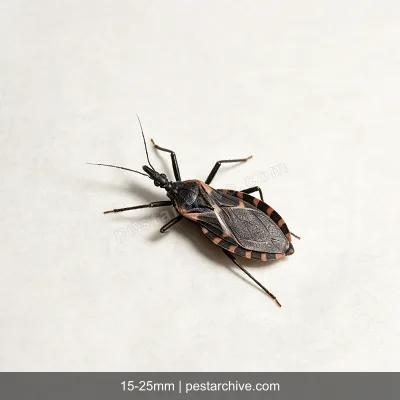
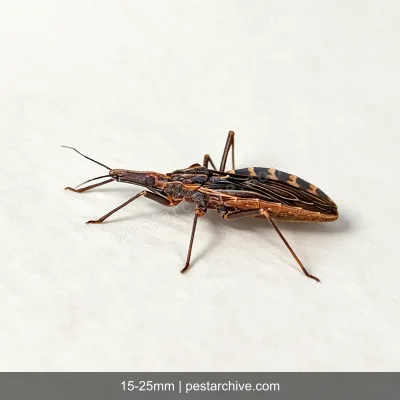
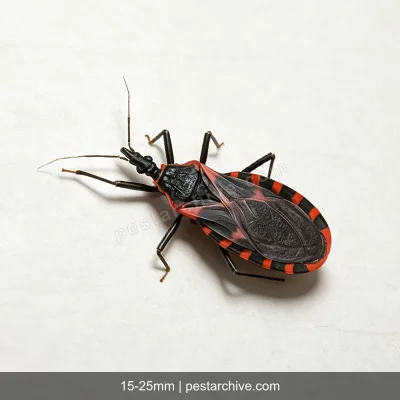
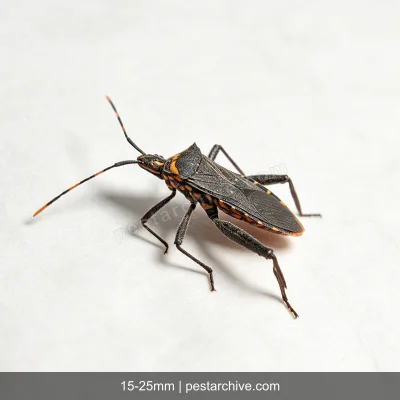
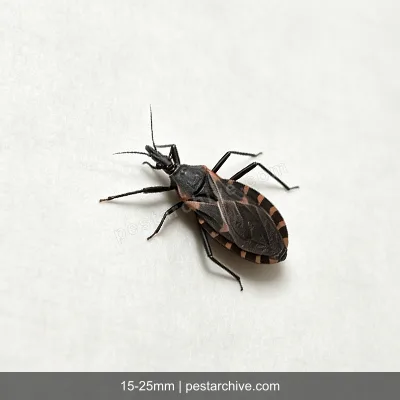
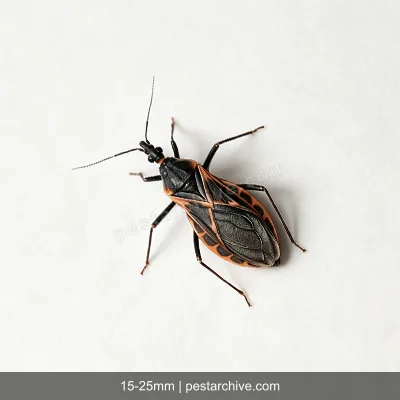
Preventing Kissing Bug encounters is a matter of keeping them out of your home and reducing the outdoor habitats that sustain their populations. In regions where Kissing Bugs are established (southern U.S., Mexico, Central and South America), these prevention steps are especially important for families living in rural, semi-rural, or adobe/stucco construction homes.
### Strategy 1: Home Exclusion — Seal Every Crack
Kissing Bugs enter through structural cracks at night. Seal your home thoroughly:
- Exterior walls — fill cracks in stucco, adobe, and stone walls with mortar or caulk. These wall types are common Kissing Bug harborage.
- Window and door gaps — install tight weatherstripping and door sweeps. Ensure windows close flush.
- Pipe and utility penetrations — seal gaps around plumbing, gas lines, and electrical conduits with copper mesh and caulk.
- Vent screens — cap crawl-space vents and attic vents with fine-mesh hardware cloth.
- Roof and eave gaps — seal soffit and fascia cracks where the roof meets walls.
### Strategy 2: Remove Outdoor Harborage
Kissing Bugs live outdoors in animal nests and debris before entering homes:
- Remove woodrat and rodent nests near the foundation — these are primary Kissing Bug hosts. Clear brush piles, rock piles, and debris from the yard perimeter.
- Seal dog kennels and chicken coops — check for cracks where Kissing Bugs can hide; seal with caulk. Keep animal housing clean and well-lit at night.
- Trim vegetation away from exterior walls by at least 18 inches — overgrown plants provide cover and climbing routes.
- Stack firewood away from walls — at least 18 inches off the ground and 12 inches from the house.
### Strategy 3: Indoor Protection at Night
- Use bed nets — in Kissing Bug endemic areas, sleep under a bed net tucked under the mattress. Kissing Bugs approach from above and are deterred by physical barriers.
- Keep lights off near beds — Kissing Bugs are attracted to light. Use minimal night lighting; keep bedside lamps off.
- Move beds away from walls — Kissing Bugs climb walls and drop onto beds. A 12-inch gap between the bed and the wall reduces contact.
- Check under mattresses and behind pictures — these are common indoor Kissing Bug hiding places. Inspect weekly in endemic areas.
### Strategy 4: Protect Pets
Dogs are particularly vulnerable to Kissing Bug bites and Chagas infection:
- Keep dogs indoors at night — Kissing Bugs feed on outdoor dogs and then enter the home.
- Seal dog house cracks — caulk all gaps in outdoor dog shelters.
- Use insecticide-treated dog bedding — permethrin-treated blankets repel Kissing Bugs.
- Screen dog kennel enclosures — fine mesh prevents Kissing Bug entry.
- Test dogs for Chagas — in endemic areas, annual veterinary screening for *T. cruzi* antibodies is recommended for outdoor dogs.
### Strategy 5: Community and Travel Precautions
- Report findings — if you capture a Kissing Bug, submit it to your state health department for species confirmation and Chagas testing. Surveillance data guides public health responses.
- Travel precautions — in Chagas-endemic regions of Latin America, sleep under bed nets in rustic accommodations; avoid sleeping in mud/adobe structures with visible cracks.
- Community housing improvement — replacing adobe and mud walls with plastered, sealed surfaces is the most effective population-level Chagas prevention strategy in Latin America (proven by decades of Southern Cone Initiative programs).
### If Bitten by a Kissing Bug
- Wash the bite area with soap and water immediately.
- Capture the bug (do not crush it) for identification.
- Contact your health department for testing instructions.
- Consult a physician about Chagas blood testing — early detection enables treatment with benznidazole or nifurtimox, which is effective in the acute phase.