Best Thrip Control Methods for Indoor Plants
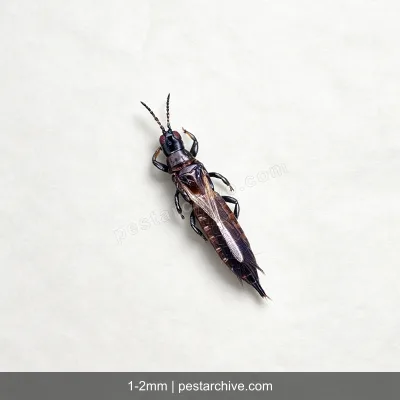
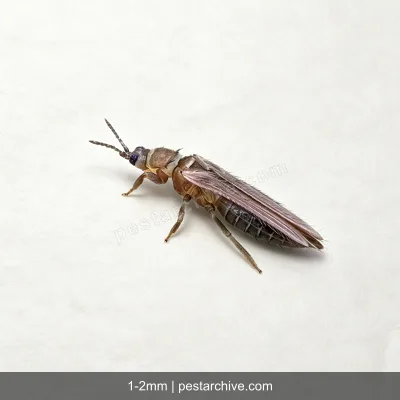
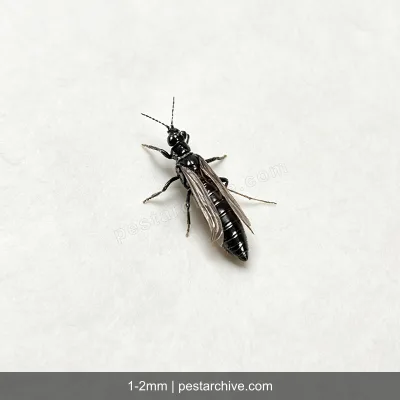
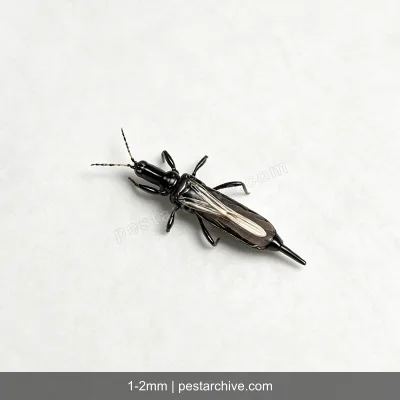
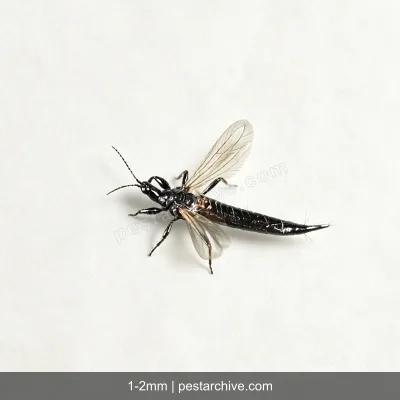
What Damage Do Thrips Cause?
Although thrips are tiny, the damage they cause to plants is significant. Here are the main types:
Leaf Damage
- Thrips use their rasping-sucking mouthparts to scrape the leaf surface and feed on the sap
- Affected leaves develop dense, tiny silvery-white speckles
- In severe cases, leaves turn brown, dry out, and curl
- Photosynthetic capacity declines, stunting plant growth
Flower Damage
- Petals rasped by thrips develop white or brown spots
- Flowers become distorted, discolored, and wilt prematurely
- Buds may fail to open properly
- The quality of ornamental plants (roses, orchids, etc.) is severely compromised
Plant Virus Transmission (Most Serious)
- Thrips are important vectors of plant viruses
- They can transmit over a dozen viruses, including Tomato spotted wilt virus and Tobacco ringspot virus
- Once a virus enters a plant, it cannot be cured with pesticides
- Infected plants must be uprooted and destroyed entirely
- This causes devastating damage to vegetables (tomatoes, peppers, eggplants) and flowers
Fruit Damage
- Fruit surfaces scraped by thrips develop scars and deformities
- Market value declines
- Peppers, eggplants, cucumbers, and other vegetables are particularly vulnerable
Why Control Matters
Controlling thrips isn't just about protecting leaves and flowers, it's about preventing virus transmission. The window for thrips control is narrow. Act immediately when you spot them.