What to do if millipedes are seen in the yard?
What to do if millipedes are seen in the yard?
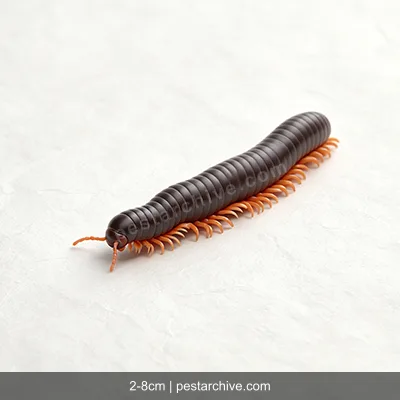
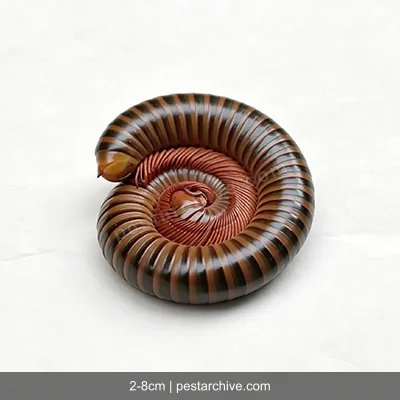
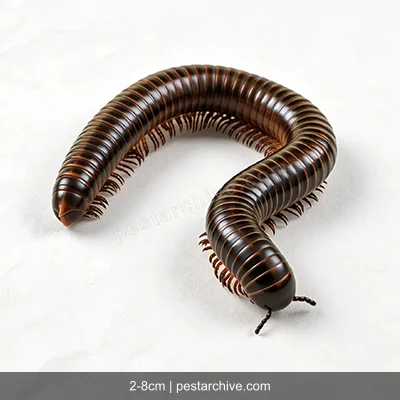
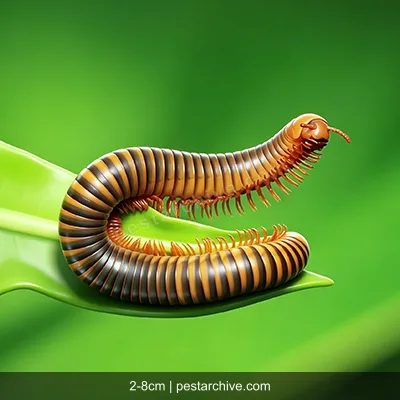
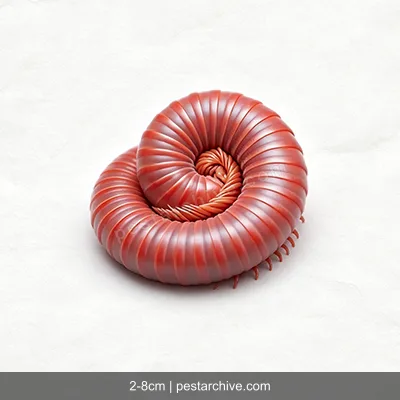
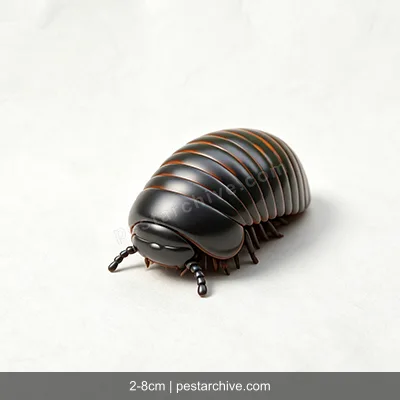
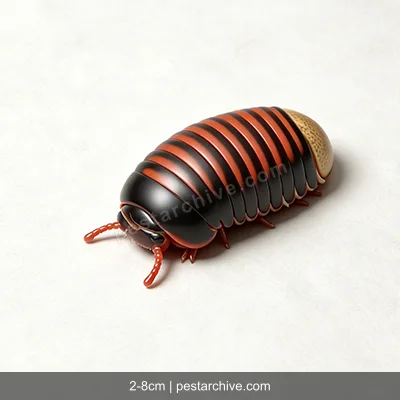
Millipedes (commonly called "thousand-leggers") are not actually centipedes, but their common name is "thousand-legged worms." Adults typically have 30-200 pairs of legs and range from 2-10 cm in length (species-dependent). They prefer damp environments with decaying plant matter, usually living in outdoor soil, leaf litter, and stone crevices. The root cause of millipedes in the yard is damp conditions plus accumulations of decaying organic matter (dead leaves, rotting grass, wood chips), which provide food and shelter. Millipedes are decomposers that feed on decaying plants and do not actively attack living things.
Cleaning the outdoor environment is key
- Remove dead leaves, rotting grass, bricks, and tiles, especially near foundations and drainage ditches.
- Maintain a 30-50 cm wide debris-free zone along the foundation—without hiding places, millipedes are less likely to approach the house.
- Avoid standing water on the lawn; sweep up grass clippings promptly.
- Move firewood, stone piles, and flower pots away from the wall to eliminate hiding spots.
- Seal cracks in walls and gaps around doors and windows to reduce entry routes.
Auxiliary chemical control
At night, when millipedes are most active, spray bifenthrin-containing household insecticide along their travel routes—foundations, steps, and doorways. Once dry, millipedes crawling over the treated area will be poisoned, significantly reducing their numbers.
Precautions
Millipedes do not bite or transmit diseases, but when threatened, they secrete an irritating fluid with a strong odor that may cause skin reactions. Do not crush them with your hands; sweep them up with a broom. If the secretion gets on skin, wash with soap and water; avoid rubbing eyes.