How to Prevent Millipedes from Coming Indoors
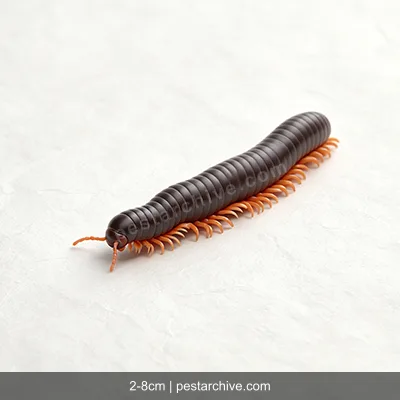
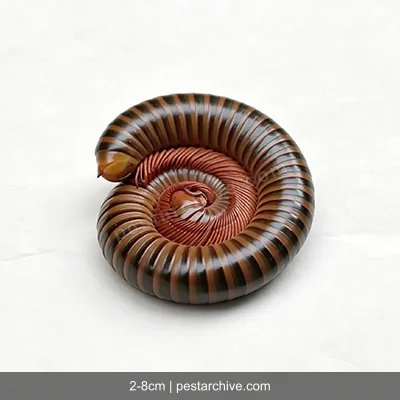
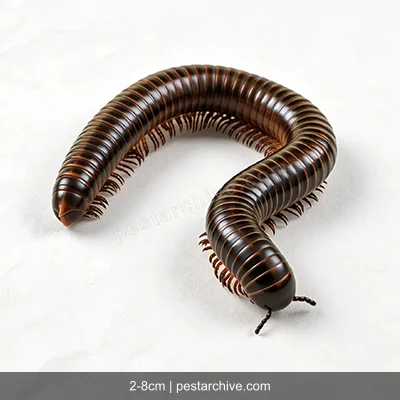

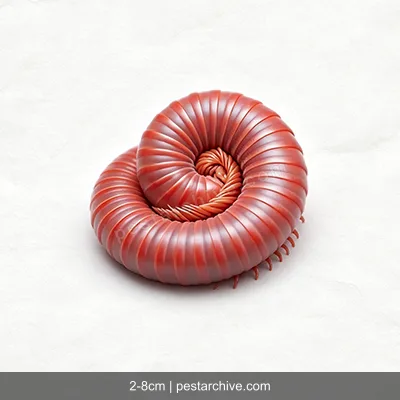
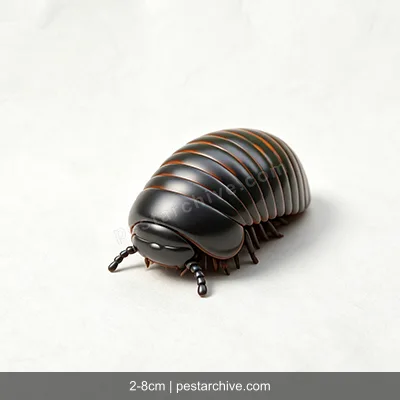
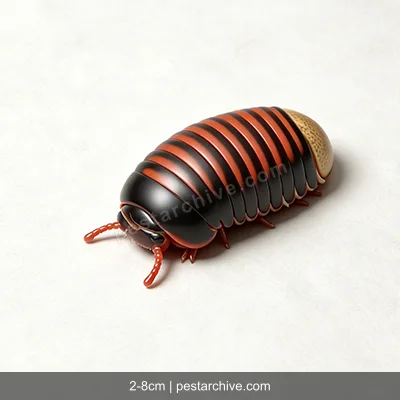
Real scene: After a heavy summer rain, you find several dark brown, segmented, long-bodied bugs crawling slowly across the floor of your ground-floor room. They curl into a spiral when touched. Over the next few days, you find one or two in the corner every day. You know they're coming from outside, but you don't know where they're getting in or how to stop them.
Quick answer: Millipedes don't come in randomly. They follow specific paths. They crawl from damp grass, leaf piles, and debris along the foundation outdoors, and get in through gaps under doors, cracks in the foundation, and drain openings. The most effective prevention is a 30 to 50 cm dry, debris-free clearance zone around the house, combined with weather stripping under doors, filling foundation cracks with cement or sealant, and switching to insect-proof floor drains.
Where millipedes enter
Millipedes can't fly or jump. They only crawl. The paths they take indoors are limited and predictable:
- Gap under the door: The most common route. A gap of more than 3 mm between the bottom of the door and the floor is enough for a millipede to crawl through.
- Cracks in the foundation: Cracks where the brick wall meets the ground, or fine cracks in the exterior plaster layer. Millipedes crawl along these from outside into the wall cavity and then indoors.
- Drains and pipes: Balcony drains, bathroom drains, AC drain pipes. Millipedes can't swim but can crawl along the inside of damp pipes.
- Window gaps: Gaps between window frames and walls on ground-floor or basement windows, especially old wooden frames that have loosened or cracked.
Layer 1: Outdoor clearance zone
Millipedes like damp, cool, organic-rich environments. In nature, they live in leaf litter and humus-rich soil. If the base of your exterior walls has piled-up leaves, wood, bricks, or overgrown weeds, you're inviting them to settle.
- Keep a 30 to 50 cm debris-free clearance zone around the house. Don't stack firewood, cardboard boxes, bricks, pots, or any items in this area.
- Keep the ground in the clearance zone dry and firm. You can put down gravel or coarse sand. Millipedes don't like crawling on dry, rough surfaces.
- Clear weeds and vines from the base of the walls. Don't plant dense shrubs or climbing plants against the wall.
- Sweep up fallen leaves in the yard promptly. Don't pile them along the wall or in corners.
- Keep gutters and downspouts clear so rainwater doesn't pool along the foundation.
Layer 2: Physical sealing
- Door bottom seals: Install a rubber or silicone weather strip to keep the gap under the door under 3 mm. Sliding doors, front doors, and balcony doors all need them.
- Fill foundation cracks: Use cement mortar or outdoor sealant (polyurethane sealant) to fill gaps between the exterior wall and the ground, and between window frames and walls.
- Switch to insect-proof drains: Replace indoor and balcony floor drains with insect-proof models that have a water seal or a silicone sealing core. Millipedes can't crawl through a water seal.
- Install fine mesh on vents: Cover exterior wall vents, exhaust fan openings, and AC pipe openings with stainless steel insect mesh with openings no larger than 1 mm.
Rainy days are high-risk periods
Millipedes are extremely sensitive to humidity. After a heavy rain, large numbers of them emerge from the soil to find new habitats. If you find millipedes in your home one or two days after heavy rain, check the sealing points above. You can usually find the entry path. Before the rainy season arrives (April to June in the south, July to August in the north), do your sealing and clearance zone maintenance ahead of time.
Pesticides as a supplement
Spraying a residual household insecticide spray on the ground and foundation in the outdoor clearance zone can create a chemical barrier. Millipedes that crawl over it will die. Rain significantly shortens the effectiveness, so reapply after heavy storms. Don't spray directly on flower beds or planting areas to avoid harming earthworms and beneficial insects in the soil.
Common mistakes
- Mistake 1: Millipedes indoors mean the house is dirty. Fact: Millipedes indoors have nothing to do with indoor cleanliness. They crawl in from damp outdoor environments. A house with a clearance zone and sealed entry points won't have millipedes no matter how messy it is inside. A house without sealing can have them no matter how spotless it is.
- Mistake 2: Spraying indoors when you find millipedes is enough. Fact: Indoor spraying only kills the individuals that have already crawled in. The source is outside. Without sealing the entry points, new ones will keep coming.