How effective is dinotefuran-containing household insecticide spray against ants?
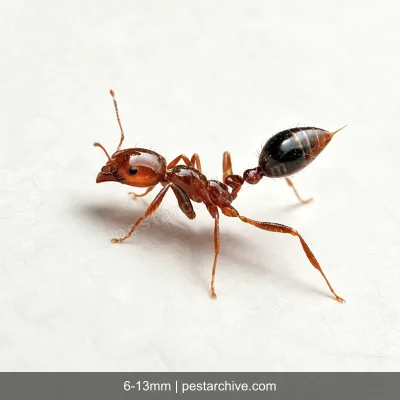
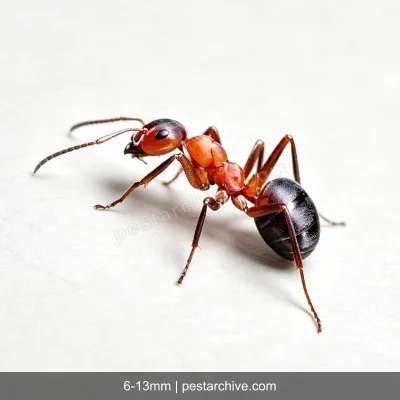
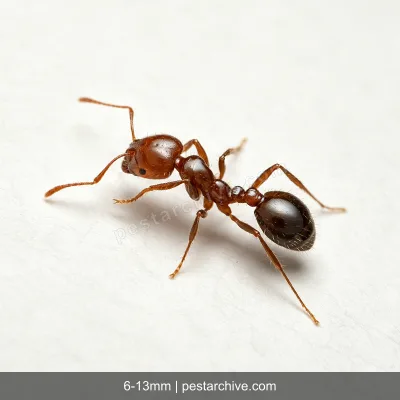
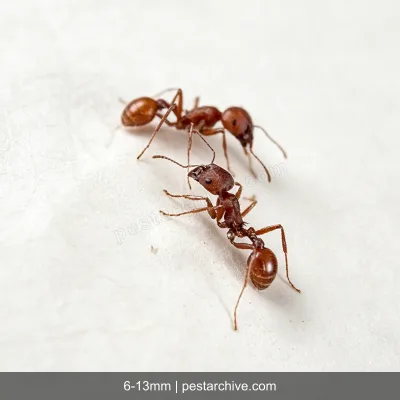
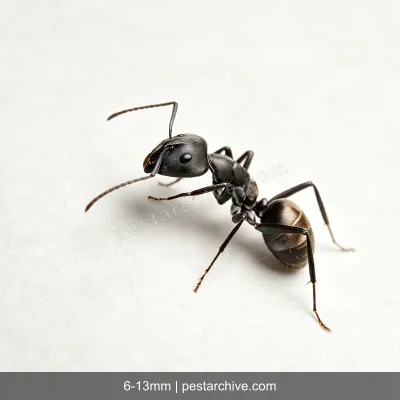
How effective is dinotefuran-containing household insecticide spray against ants? Dinotefuran spray is highly effective against ants, working through both contact and stomach action. Worker ants crawl close to the ground while foraging, and their abdomens contact the treated surface, leading to poisoning.
Why is dinotefuran suitable for ant control?
- Contact action: ants crawl close to the ground, with their abdomens in extensive contact with the treated film; the insecticide penetrates through the body wall.
- Non-repellent: dinotefuran has no odor, so ants do not avoid treated surfaces.
- Secondary transfer: workers that contact the insecticide carry it back to the nest, spreading it to other ants and the queen through physical contact.
- Long residual effect: one application lasts 2-4 weeks, providing continuous control.
Correct application method
- Spray on ant trails — locate the paths ants use and spray dinotefuran-containing insecticide on them.
- Spray at crevice entrances — focus on wall gaps, baseboards, and around electrical outlets where ants enter and exit.
- Foundation barrier — spray around the foundation to create a barrier preventing outdoor ants from entering.
- Direct nest spraying — if you find the nest entrance, spray directly into it; the insecticide penetrates into the nest.
Precautions
- Dinotefuran spray is effective against workers, but for complete eradication, combine with baiting to target the queen.
- After spraying, allow the film to dry; do not mop immediately, as this will remove the residue.
- Outdoor applications need reapplication after rain; residual effect lasts about 2-4 weeks.