What methods can eliminate springtails?
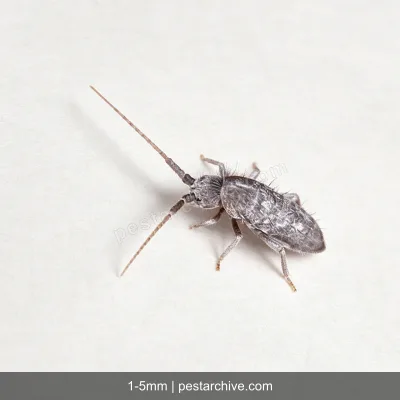
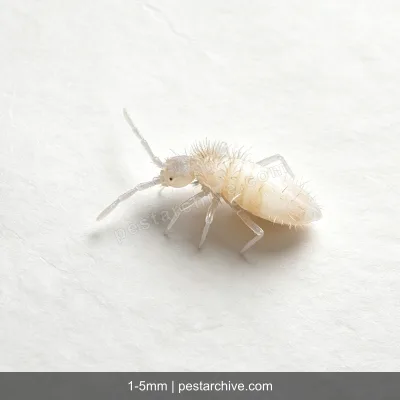
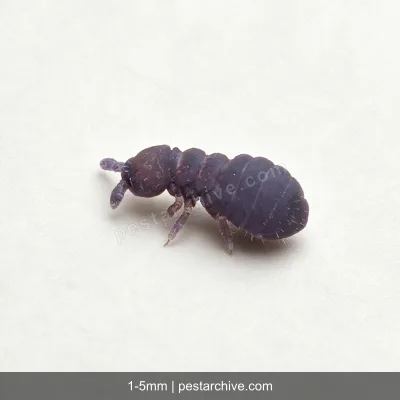
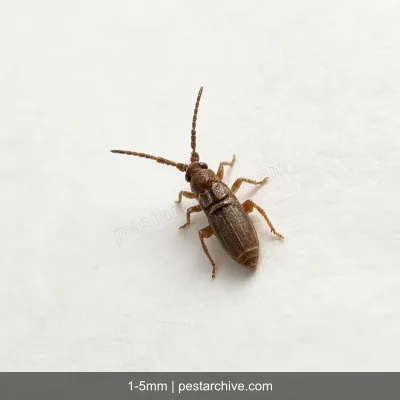
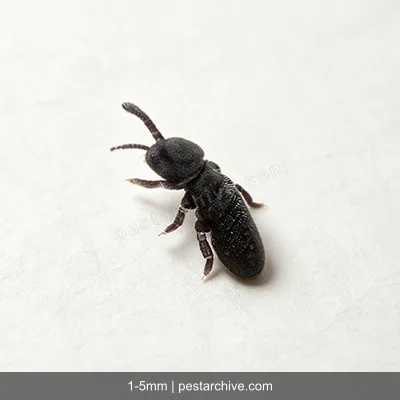
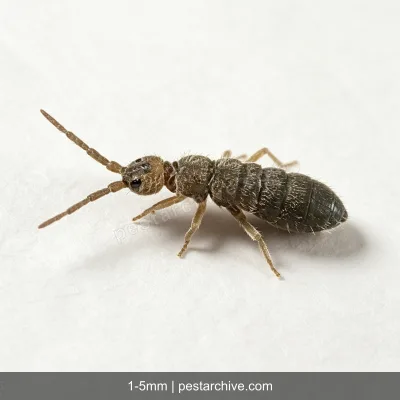
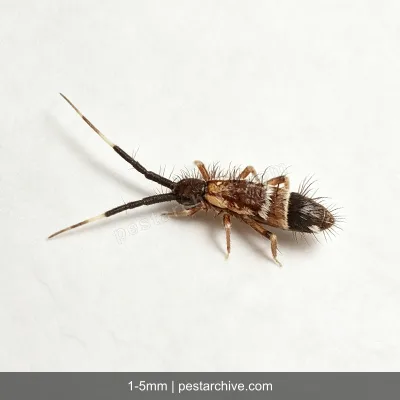
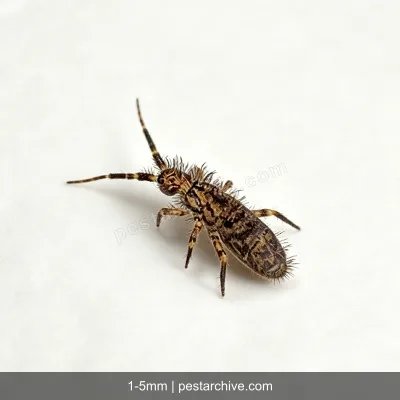
What methods can eliminate springtails?
Treat the dampness first — once the environment is dry, springtails cannot survive. "Elimination" here is not just spraying, but a combination of environmental management and chemical treatment.
Step 1: Environmental dehumidification (fundamental)
Springtails fear dryness; once humidity drops to a certain level, they cannot survive or reproduce:
- Keep kitchens and bathrooms dry and ventilated; run exhaust fans for 15-20 minutes after showering.
- Open windows after mopping to allow moisture to escape.
- Use a dehumidifier to reduce indoor humidity below 50% — springtails cannot survive more than a few days in dry conditions.
- Fix leaking pipes and faucets to eliminate water sources.
Step 2: Clean dead corners
- Check under washing machines, behind sinks, and around toilets — these chronically damp areas are prime springtail hiding spots.
- Clean moldy crevices and corners; wipe mold spots with mold remover or white vinegar.
- Discard damp, moldy cardboard boxes and clutter to cut off the springtails' food source.
- Empty pot trays; allow soil surfaces to dry out before watering.
Step 3: Spray insecticide
While dehumidifying, use insecticide to kill remaining springtails:
- Spray dinotefuran-containing household insecticide on tile gaps and corners where springtails appear.
- Also spray baseboard edges and under cabinets.
- Once dry, the insecticide forms an invisible film; springtails that crawl over it die. Residual effect lasts 2-4 weeks.
- Clean up standing water and mold before spraying for better adhesion and longer effectiveness.
Step 4: Long-term maintenance
- Keeping the environment dry maintains the insecticide's effectiveness.
- Regularly check damp areas; address any moisture return promptly.
- If springtails reappear, check for new leaks or mold growth.