How to eliminate fleas from the home?
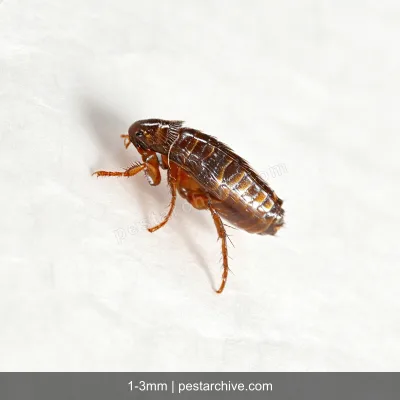
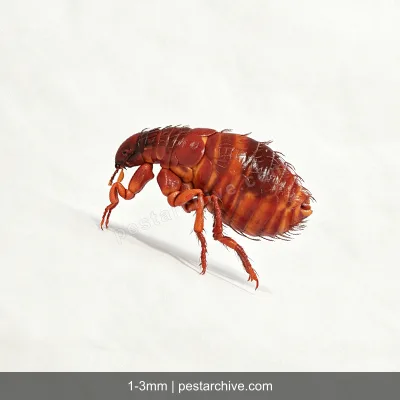
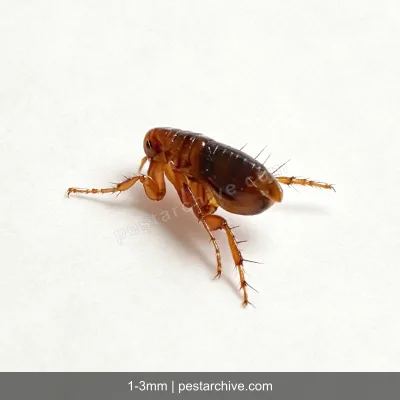
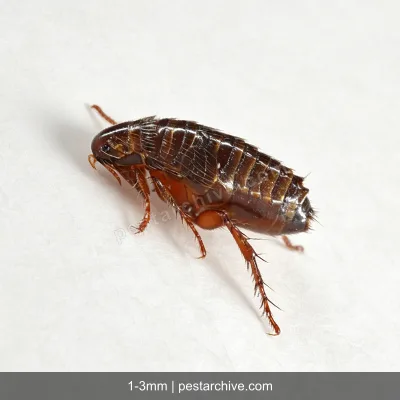
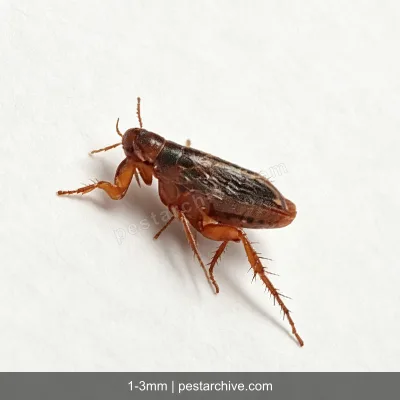
The short answer: Fleas have a life cycle of 14–21 days, and the pupal stage is resistant to insecticides. You need a 3-pronged attack: treat the environment (vacuuming), treat fabrics (hot washing), and treat pets (vet-approved products). Plan for 2–3 rounds of treatment to break the cycle.
- Confirm it’s fleas
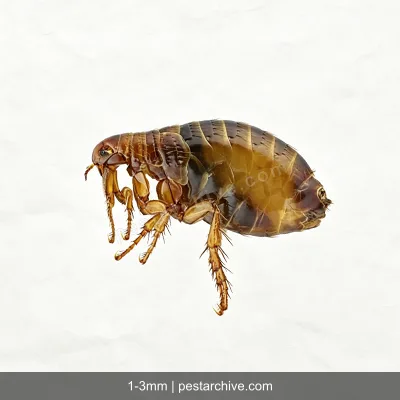
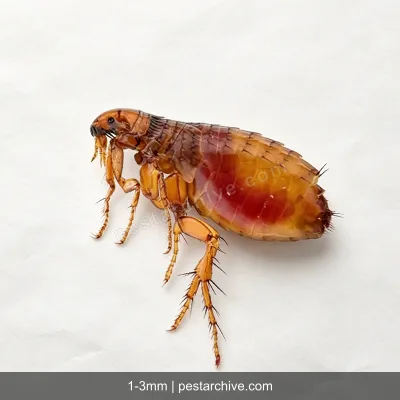
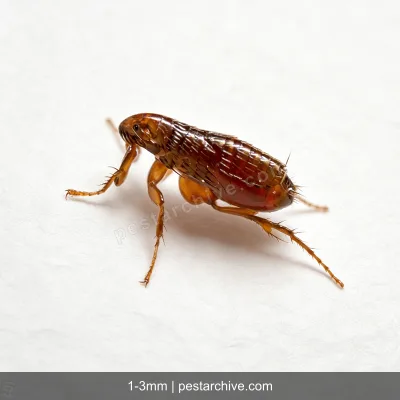
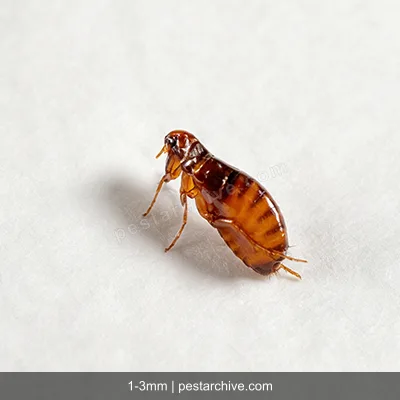
- Adult fleas are 1–2 mm, dark brown, laterally flattened, they jump long distances.
- You may see “flea dirt”, tiny black specks (digested blood) on pet bedding or carpets.
- Bites appear as small red welts, often around ankles or in clusters.
- Where do fleas come from?
- Most come from pets (dogs, cats) that pick them up outdoors.
- But homes without pets can also get fleas, they can be carried in on clothing, or from rodents in the neighbourhood.
- Fleas breed in carpets, upholstery, and floor cracks, where eggs drop and larvae feed on organic debris.
- Step 1: thorough vacuuming (the key principle)
- Vacuum all floors, carpets, under furniture, and along baseboards every day for the first week.
- Pay special attention to areas where pets rest, that’s where eggs and larvae concentrate.
- Vacuum mattress seams and headboard gaps, fleas may also hide there.
- Critical: vacuum vibration stimulates flea pupae to hatch early, making them vulnerable to insecticide. This is why vacuuming is not just cleaning, it’s part of the control strategy.
- Immediately empty the vacuum bag or canister into a sealed outdoor bin, don’t leave it indoors.
- Step 2: high-temperature washing
- Wash all pet bedding, sheets, duvet covers, and pillowcases in water at 60°C or above, this kills eggs and larvae.
- Cold water (below 40°C) won’t kill them.
- Tumble dry on high heat for at least 30 minutes, heat is lethal.
- For non-washable upholstery, use a steam cleaner, steam penetrates into seams and kills all stages.
- Step 3: chemical control (dinotefuran spray)
- After vacuuming, spray dinotefuran-containing household insecticide along walls, baseboards, under furniture, and along carpet edges.
- Hold the nozzle 20–30 cm from the surface; spray evenly until slightly damp.
- Once dry, it leaves a film that kills fleas that crawl over it, including newly hatched adults from pupae. The film lasts 2–4 weeks.
- Also spray pet bedding and the area around the pet’s resting spot, but never spray directly on pets.
- Step 4: pet treatment
- Consult your vet for a flea control product suitable for your pet (topical spot-on, oral tablet, or flea collar).
- Do not use household insecticide on pets, it’s toxic to animals.
- Wash pet collars and combs in hot soapy water.
- Why repeat treatment is essential
- The pupal stage can survive insecticide and may delay hatching for several days.
- Reapply the spray after 7–10 days to kill newly emerged adults.
- Continue vacuuming daily, the vibration encourages any remaining pupae to hatch.
- Usually, 2–3 rounds over 3–4 weeks are sufficient to break the cycle completely.
Common mistakes
- ❌ Spraying only once, eggs and pupae survive.
- ❌ Not treating pets, they will re-infest the house.
- ❌ Forgetting to seal the vacuum bag, fleas can crawl out.
Mini FAQ
Q: Can fleas live on humans?
A: They may bite humans but don’t live on us, they prefer furry hosts.
Q: How do I know if fleas are gone?
A: Place a white sock over your foot and walk on carpets, if no fleas jump onto it after 2 weeks, you’re clear.
Q: Is it safe to use dinotefuran around my fish tank?
A: No, cover the tank before spraying and keep it covered until the spray dries and room is ventilated.
Your flea elimination checklist
- Vacuum daily, empty bag outdoors.
- Wash all bedding at ≥60°C.
- Steam clean upholstery.
- Apply dinotefuran spray to floors and baseboards.
- Treat pets with vet-approved product.
- Reapply spray in 7–10 days.
- Continue monitoring for 3 weeks.