How to Mouse-Proof Your Home: Sealing Entry Points

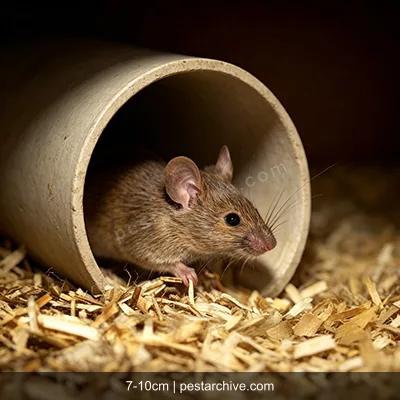
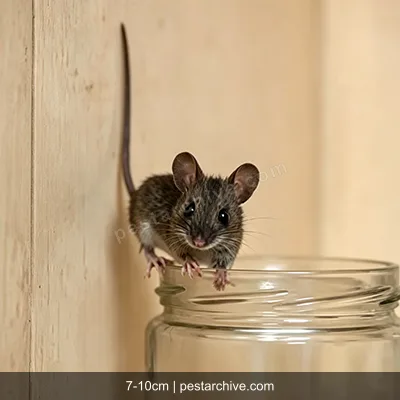
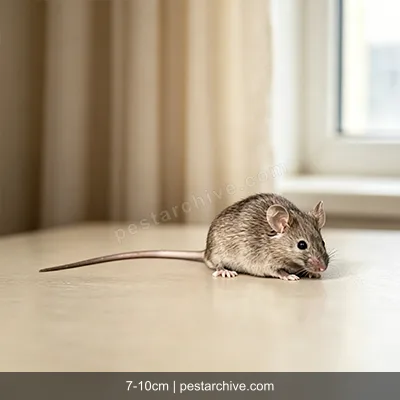
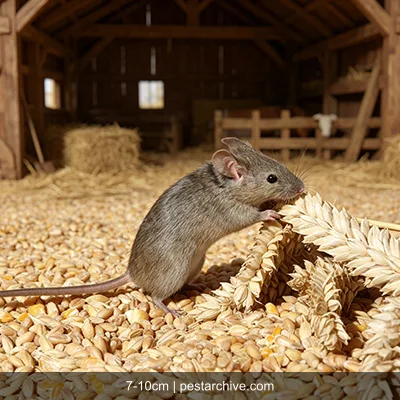
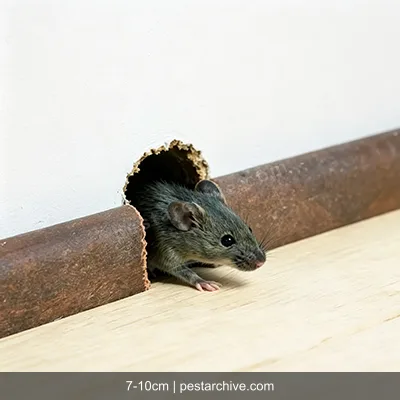
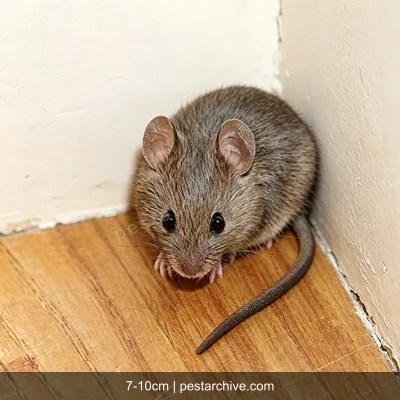


A mouse can squeeze through a gap the size of a pencil — ¼ inch (6 mm). If you can fit a pencil into a crack around your foundation, door, pipe, or vent, a mouse can fit through it too. Mouse-proofing is the permanent solution that makes trapping unnecessary: once all entry points are sealed, any mice already inside will be trapped by snap traps, and no new mice will enter to replace them.
### Where Mice Enter — The Complete Inspection Guide
Systematically check every potential entry point from the foundation to the roofline:
Foundation and ground level:
- Foundation cracks and joints — check the entire perimeter.
- Where pipes, cables, and utility lines penetrate the foundation wall.
- Gaps under exterior doors — measure with a pencil; if it fits under the door, a mouse can enter.
- Basement window frames — caulk gaps; ensure windows close fully.
- Crawlspace vent screens — replace damaged or missing screens with ¼-inch hardware cloth.
- Air-conditioning line penetrations — seal gaps around refrigerant lines and condensate drains.
Kitchen and bathroom:
- Gaps around plumbing under sinks — where supply lines and drain pipes enter walls.
- Behind and under appliances — stoves, refrigerators, dishwashers have gaps between them and the wall that mice exploit.
- Around gas lines and electrical conduits entering the kitchen.
Interior walls and ceilings:
- Around heating/cooling ducts — gaps where ducts penetrate walls.
- Around electrical outlet and switch boxes — mice enter through wall cavities and emerge through outlet gaps.
- Around pipe penetrations through interior walls.
Upper level and attic:
- Soffit and fascia gaps.
- Attic vent screens.
- Around chimney flashing.
- Gaps around skylights and dormers.
- Where roof meets wall junctions.
### Sealing Materials — What Works and What Doesn't
| Material | Effectiveness | Notes |
|----------|-------------|-------|
| Copper mesh + caulk | ★★★★★ | Best overall — mice cannot gnaw through copper; caulk holds it in place |
| ¼-inch hardware cloth | ★★★★★ | For vent covers, soffit repairs, and larger openings |
| Steel wool + caulk | ★★★★ | Effective but rusts over time in damp areas; replace annually |
| Concrete/mortar | ★★★★★ | For foundation cracks and structural gaps |
| Metal door sweeps | ★★★★★ | Essential for exterior and garage doors |
| Expanding foam alone | ★ | Mice gnaw through it easily — never use as sole barrier |
| Caulk alone (small gaps) | ★★★ | Fine for gaps <¼ inch; larger gaps need mesh backing |
| Weatherstripping | ★★★★ | For door and window gaps that close when sealed |
### Sealing Protocol
- Clean the gap — remove old caulk, debris, and loose material.
- Fill with copper mesh or steel wool — stuff the gap tightly so there are no hollow spaces mice can push through.
- Seal over with caulk — silicone or polyurethane caulk bonds the mesh to the wall permanently.
- For larger openings — cut hardware cloth to fit, screw or staple it in place, then caulk the edges.
- For doors — install a metal door sweep that contacts the floor across the entire width.
### Kitchen-Specific Mouse-Proofing
Mice spend most of their time in the kitchen because food is there. Focus extra effort on:
- Under-sink plumbing — seal gaps where supply lines and drain pipes enter the wall with copper mesh + caulk.
- Behind stove and refrigerator — pull appliances away from the wall and seal any gaps in the floor or wall behind them.
- Inside cabinets — check cabinet backs for gaps where plumbing or wiring passes through; seal these too.
- Floor-wall junction — caulk the gap between the kitchen floor and baseboard — mice travel along this seam.
### Maintenance — Seal Checks Quarterly
- Reinspect all sealed gaps every 3 months — caulk can shrink or crack, weatherstripping can wear, and door sweeps can loosen.
- Replace any seal that has deteriorated immediately — a single reopened gap is enough for a mouse to re-enter.
- Keep vegetation trimmed away from the foundation — mice use overgrown plants as cover while they search for entry points.