What Are Silverfish and How to Get Rid of Them?
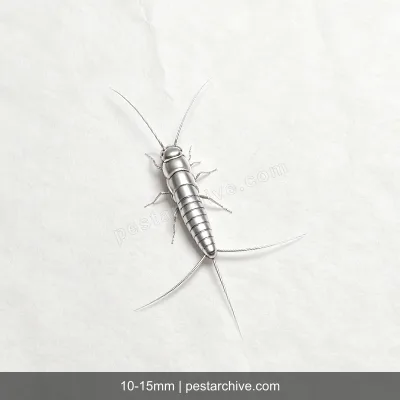
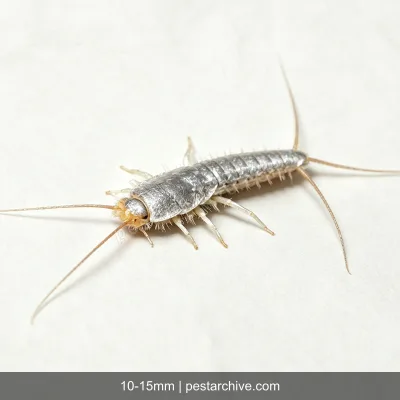
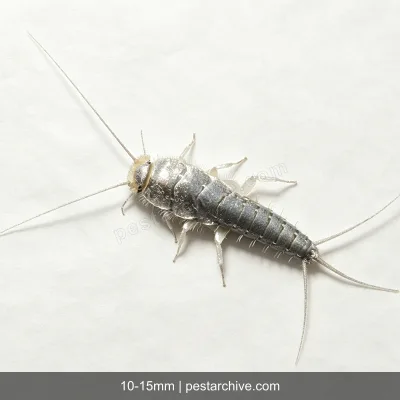
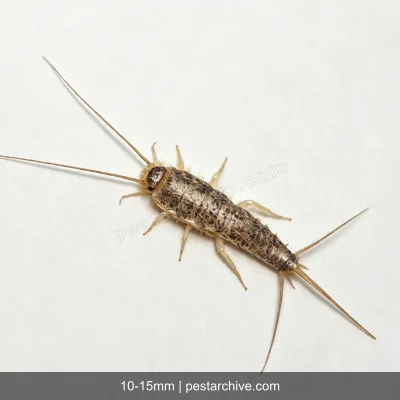
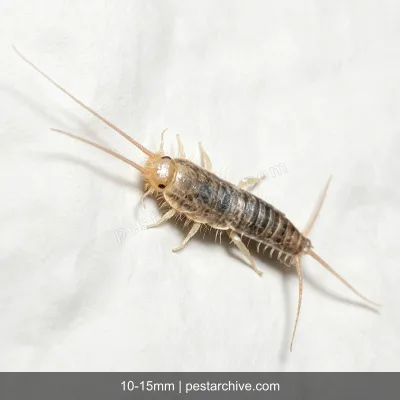
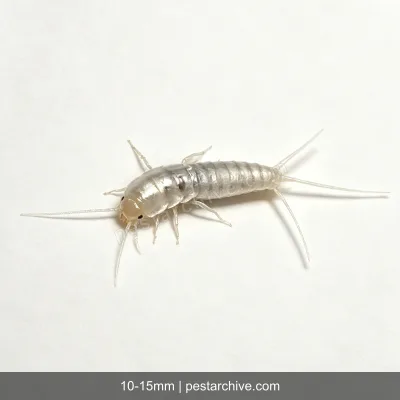
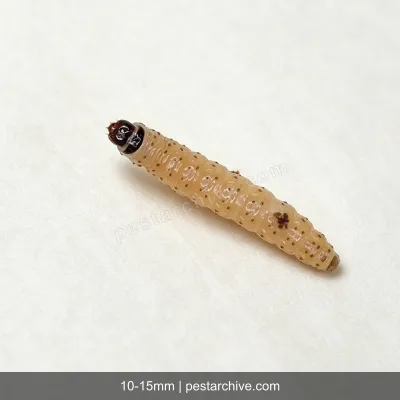
The short answer: Silverfish are ancient, wingless insects that feed on starch and sugar, they eat book bindings, wallpaper paste, clothing sizing, and flour. They thrive in humid environments (75–95% humidity). To control them, reduce humidity below 50%, remove food sources (cardboard, paper, glue), use diatomaceous earth or boric acid in cracks, and seal crevices. They don’t bite or spread disease, but they damage belongings.
- Confirm it’s silverfish
- Body length 10–15 mm, flattened and tapered, silvery-grey with a metallic sheen.
- Three long bristle-like appendages at the rear, they move with a wriggling, fish-like motion.
- No wings, they are fast runners.
- Typically found in wardrobes, bookshelves, bathrooms, and basements.
- Where do they come from?
- They come from outside or in used books, cardboard boxes, and furniture.
- They are highly dependent on humidity, they cannot survive in dry conditions.
- They feed on starch, book glue, wallpaper paste, cotton sizing, and even dried food.
- Step 1: reduce humidity (the most effective)
- Use a dehumidifier to keep indoor relative humidity below 50%, this stops silverfish reproduction and causes dehydration.
- Ventilate bathrooms and kitchens with exhaust fans.
- Fix any leaks, silverfish need moisture to thrive.
- Step 2: remove food sources
- Get rid of cardboard boxes, old newspapers, and paper clutter, these are feeding and hiding sites.
- Store books, documents, and important papers in sealed plastic boxes with silica gel packets.
- Wipe down shelves and baseboards to remove starch dust.
- Transfer dry foods (flour, cereal) into airtight containers.
- Step 3: seal cracks and crevices
- Silverfish hide in tiny gaps, caulk baseboards, floor cracks, and pipe penetrations.
- Use expanding foam to seal larger voids.
- Pay attention to behind kitchen and bathroom cabinets.
- Step 4: apply insecticides or dusts
- Sprinkle food-grade diatomaceous earth or boric acid powder into cracks, corners, and behind furniture, these are abrasive stomach poisons.
- You can also apply dinotefuran-containing household insecticide along baseboards and in hiding spots, the residual film will kill them when they crawl over it.
- Keep pets and children away from these dusts until they settle.
- Step 5: ongoing prevention
- Keep your home dry and clean, vacuum regularly to remove dust (food source).
- Avoid storing items directly on floors, use shelving with good airflow.
- Check second-hand books and furniture before bringing them inside.
Common mistakes
- ❌ Only spraying, without humidity control, they will return.
- ❌ Leaving cardboard boxes, they love the glue and paper.
- ❌ Ignoring wall voids, they can live inside walls indefinitely.
Mini FAQ
Q: Do silverfish bite?
A: No, they are harmless to humans, but they damage paper, clothing, and wallpaper.
Q: How long do silverfish live?
A: Adults can live 2–8 years, they are slow to develop but persistent.
Q: Can I use cedar or lavender to repel them?
A: These may have slight repellent properties, but they won’t eliminate a population, focus on humidity.
Your silverfish control list
- Reduce humidity below 50%.
- Remove cardboard and paper clutter.
- Store books and papers in sealed containers.
- Seal all cracks and crevices.
- Apply DE or boric acid in cracks.
- Monitor and maintain dryness.