What Are the Dangers of Cockroaches?
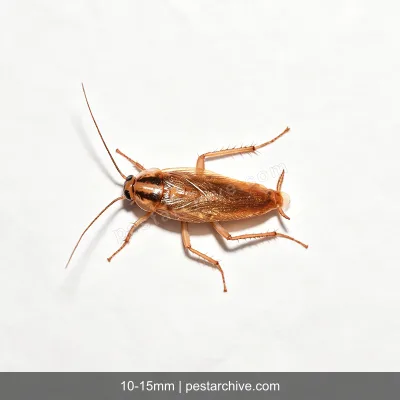
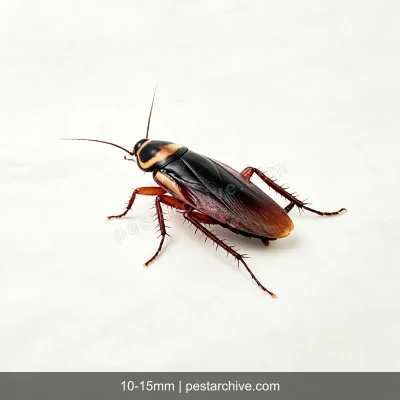
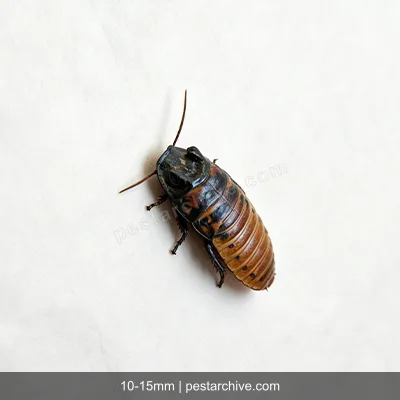
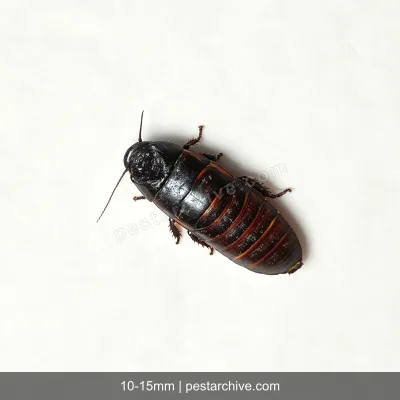
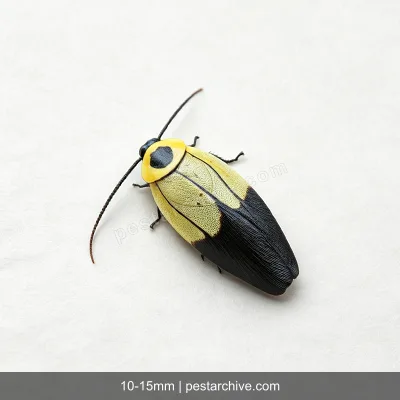
Real scene: You get up at night to get some water. You flip on the kitchen light. Several cockroaches scatter across the countertop and disappear into cabinet gaps. You can't sleep. You feel sick. Where did they just crawl? On the cutting board? On the dishes? On the cup you're planning to use tomorrow morning?
Quick answer: Cockroach dangers come in three layers. First, they spread disease-causing germs. They crawl between garbage, sewage, and food, carrying over 40 types of bacteria like Salmonella and E. coli on their bodies and in their digestive tracts. Second, they produce allergens. Their droppings, shed skins, and body fragments are common indoor allergens that can trigger asthma. Third, they contaminate and damage property.
Danger 1: Spreading germs
Cockroaches' habits make them highly efficient germ transporters. They feed and crawl on garbage, sewage, feces, and rotting organic matter, then carry those germs across kitchen countertops, dishes, cutting boards, and open food. This is their most significant health hazard.
- Over 40 types of pathogenic bacteria have been isolated from cockroach bodies and guts, including Salmonella (causes food poisoning and acute diarrhea), E. coli (some strains cause severe intestinal infections), Shigella (causes bacterial dysentery), and Staphylococcus aureus.
- Cockroach feet and body surfaces can also carry parasite eggs, such as roundworm eggs, pinworm eggs, and amoeba cysts. People can be infected after contact with food or utensils that cockroaches have crawled over.
- A single cockroach can travel between the trash pile, the drain, and your kitchen counter multiple times in one night, spreading germs with every trip.
Danger 2: Causing allergies and asthma
Cockroach feces, saliva, shed skins, and body fragments contain protein allergens. When dried, these particles become dust that floats in indoor air. When inhaled, they trigger allergic reactions:
- Runny nose, sneezing, itchy eyes, skin rashes (allergic rhinitis and dermatitis)
- For people with existing asthma, cockroach allergens are a known major trigger for acute asthma attacks
- In urban environments, cockroach allergens are second only to dust mites in prevalence and are a significant environmental risk factor for childhood asthma
- Cockroach allergens can remain in indoor dust for months even after cockroaches have been eliminated
Danger 3: Contaminating food and damaging items
- Cockroaches defecate as they feed. When they crawl over food, they leave droppings, vomit, and secretions from their body surface. Even if you can't see these traces, the food is contaminated.
- Food that cockroaches have crawled over has a distinctive oily odor (from secretions of their body surface glands). Even without seeing a cockroach, this smell indicates their presence.
- Cockroaches chew through book covers and paper edges (feeding on bookbinding glue and paper pulp), stain clothes and fabrics (droppings leave brown spots), and damage electronics (droppings on circuit boards and wiring terminals can cause shorts).
Cockroaches and food safety
If you've found cockroaches in your kitchen, any food that wasn't sealed may have been crawled over. Transfer fruit from the countertop to the fridge, put opened snacks in airtight containers, and check cabinet dried goods for chewed packaging. Wash cutting boards and utensils again before use. This is common-sense caution on food safety, not overreaction.
When to call a pro
If you see cockroaches in open areas during the day (not just scurrying after you turn on a light), the population is dense enough that some individuals are forced to forage during daylight. Or if you've been treating them yourself for over a month and still see them daily. In these cases, contact a licensed professional. They can use more effective integrated pest management methods for whole-house treatment.
Common mistakes
- Mistake 1: Seeing one cockroach and squashing it is enough. Fact: Cockroaches are social insects. If you see one during the day, there are likely dozens to hundreds hidden nearby.
- Mistake 2: Cockroaches only appear in dirty, messy houses. Fact: Cockroaches need food, water, and shelter. Even a very clean house can attract them if there's moisture and hiding spots. In apartment buildings, they can migrate from neighboring units through pipes and wall voids.