What to do if there are too many spiders in the house?
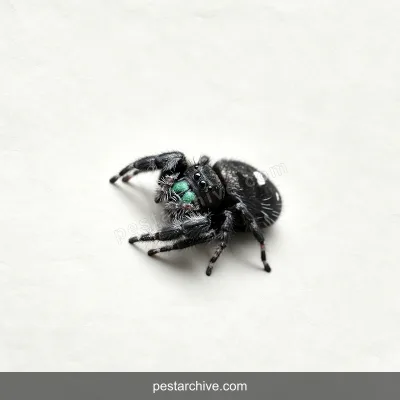
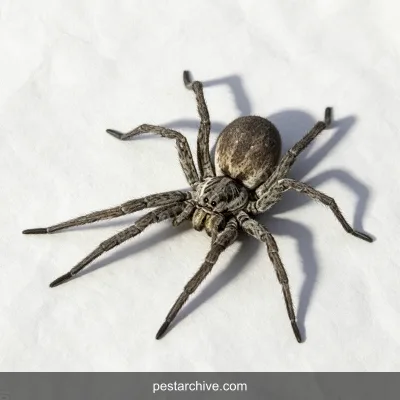
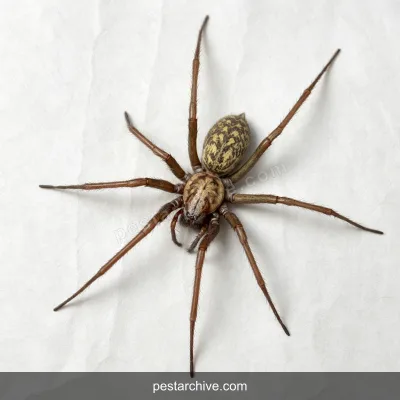
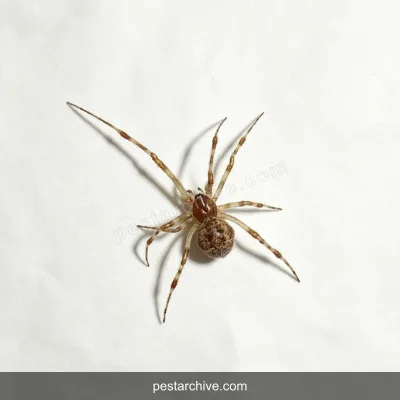
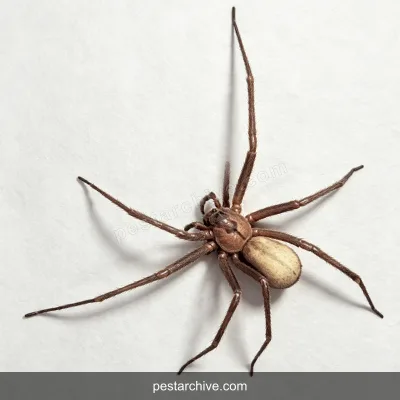
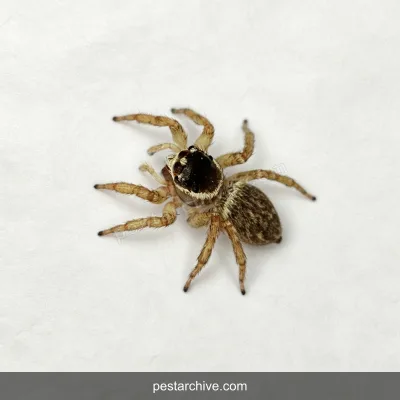
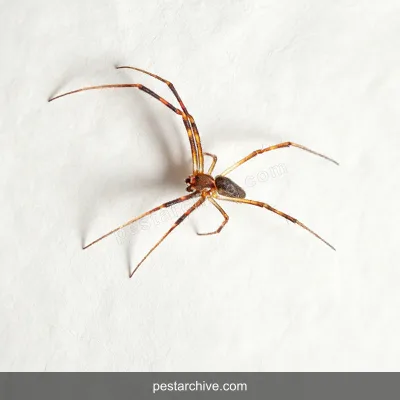
The short answer: Spiders are predators, a large number indoors means there is abundant prey (small flying insects). Don’t panic; most house spiders are harmless and beneficial. To reduce spiders, you need to eliminate their food source, seal entry points, and remove webs and egg sacs. Chemical spraying is only a temporary fix if you don’t address the insect population.
- Confirm it’s spiders
- Spiders have 8 legs, two body segments, and no wings.
- They vary in size from 2–30 mm, colours from brown to grey to black.
- They build webs (most species) or actively hunt.
- You’ll find them in corners, behind furniture, near windows, and in basements.
- Where do they come from?
- They enter through gaps in doors, windows, and vents.
- They come in from gardens, shrubs, and outdoor vegetation.
- They are attracted to light, outdoor lights attract flying insects, which in turn attract spiders.
- Step 1: reduce food source (the root cause)
- Control other pests: fruit flies, drain flies, ants, and flying insects, these are spider prey.
- Use yellow sticky traps to catch flying insects.
- Fix moisture issues that breed fungus gnats and drain flies.
- Without prey, spiders will leave or starve.
- Step 2: remove webs and egg sacs
- Use a broom or vacuum to remove webs from ceiling corners, light fixtures, window frames, and behind cabinets.
- Spider egg sacs are greyish-white, round (5–10 mm), attached to corners or webs, each contains dozens to over a hundred eggs. Scrape them off while cleaning webs.
- Use the crevice tool to vacuum spiders from corners and furniture.
- Wipe windowsills and corners with a damp cloth to remove pheromone trails that attract new spiders.
- Step 3: seal entry routes
- Repair torn window screens (mesh ≤1.2 mm).
- Install weatherstripping under doors.
- Fill wall cracks and pipe openings with expanding foam or caulk.
- Check gaps around air conditioner pipes and electrical conduits.
- Step 4: outdoor management
- Keep vegetation (shrubs, trees) at least 30 cm away from walls.
- Remove piles of leaves, wood, and debris where spiders and their prey live.
- Replace white outdoor light bulbs with yellow or amber LED bulbs, they attract fewer insects.
- Step 5: chemical control (last resort)
- After completing the above steps, you can spray dinotefuran-containing household insecticide along corners, baseboards, and window frames.
- The residual film kills spiders that crawl over it, it lasts 2–4 weeks.
- But remember: spiders are only a symptom; if you don’t control prey, they will return.
Common mistakes
- ❌ Killing every spider you see, they help control other pests.
- ❌ Only spraying without removing webs, new spiders will build new ones quickly.
- ❌ Ignoring outdoor lighting, it lures prey and thus spiders.
Mini FAQ
Q: Are house spiders dangerous?
A: Most are harmless, only a few species (like black widow or brown recluse) pose a risk, and they are rarely found indoors in most regions.
Q: Can I use essential oils to repel spiders?
A: Peppermint oil may deter them temporarily, but it’s not a solution for an existing population.
Q: How do I know if I have a spider infestation?
A: Multiple webs, egg sacs, and frequent sightings indicate a healthy population, address the prey.
Your spider reduction list
- Control flying insects (traps, cleaning).
- Remove all webs and egg sacs.
- Seal entry gaps.
- Manage outdoor lighting and vegetation.
- Apply residual spray only if necessary.
- Accept that occasional spiders are normal.