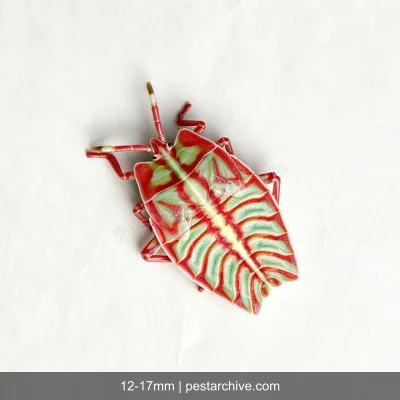
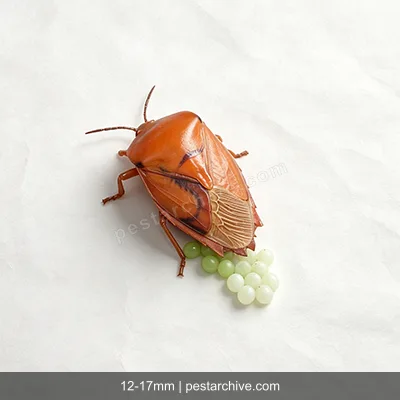
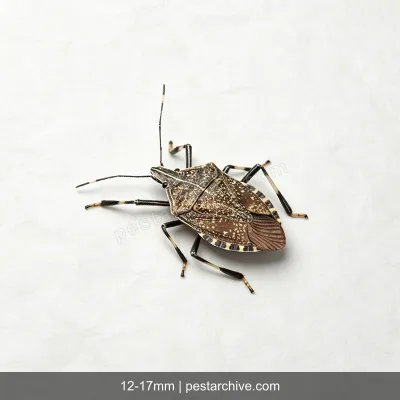
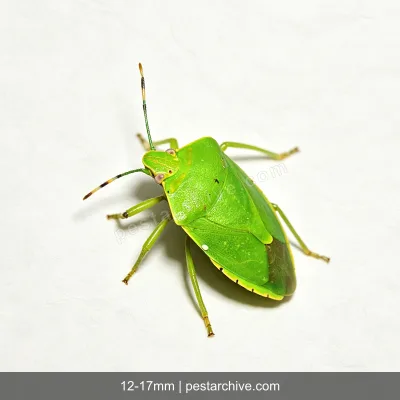
Stink Bugs Control & Removal Guide
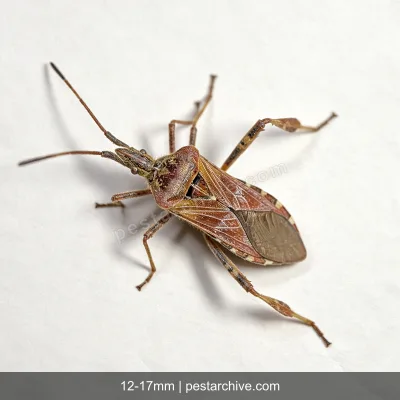
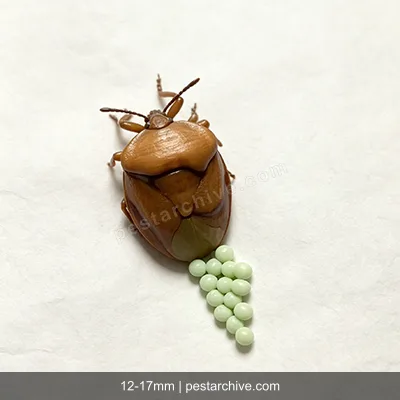
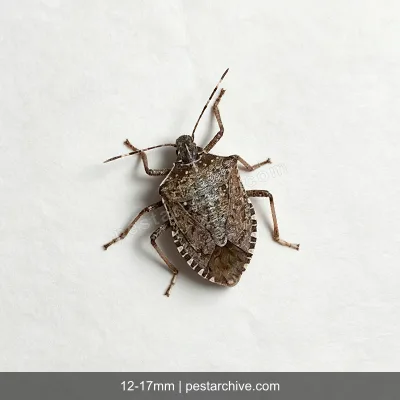
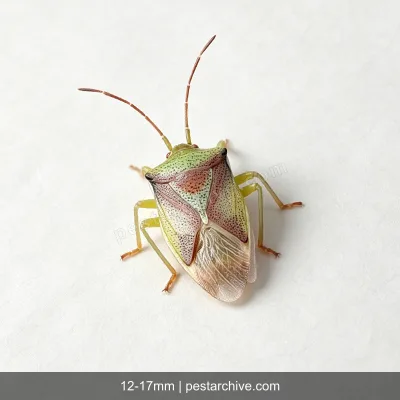
(Brown marmorated stink bug, Shield bug, BMSB)*Halyomorpha halys* / Pentatomidae
How They Get In
- During the summer-to-autumn transition (September-November) when temperatures drop, adults seeking overwintering sites fly indoors en masse through doors, windows, and screen gaps — autumn is the primary invasion period.
- Homes near farmland, orchards, and landscaping face the highest pressure from high outdoor stink bug density during the autumn peak.
- Indoor lights at night attract stink bugs, which fly toward them through open unscreened windows — south- and west-facing windows have the highest aggregations due to daytime solar warming.
- Stink bugs land on balcony-dried laundry and potted plants, then are carried indoors; pulling closed curtains can startle them into releasing defensive fluid.
How to Get Rid of Them
- Pre-Treatment Preparation: Stink bug control is primarily preventive in autumn. Before spraying, check and close screens properly; repair any damage. During peak stink bug season (autumn), close doors and windows or draw screens before dusk. Bring balcony-dried laundry indoors before evening. Close doors and windows. Remove pets and children. Shake the spray bottle well.;
- Key Treatment Zones: Windowsills and balcony frames — large autumn aggregations of overwintering-seeking stink bugs on the exterior side of windowsills and balcony frames on sun-facing sides; spray along frames evenly to form a protective layer. Door/window gaps and frame edges — stink bugs enter indoors or into wall voids for overwintering through these gaps. Around curtains — indoor stink bugs land on curtains; spraying curtain folds contacts resting adults. Entry door walls and door frames — stink bugs can enter through these when doors open at night.;
- Application Method: Hold sprayer 20-30cm from surfaces; lightly spray evenly to form a residue film. Spray windowsills and balcony frames along the full edge line without gaps. Spray door/window frames along frame edges in lines. Exterior-side window frames and balcony railings are the priority for chemical protection — block stink bugs before they enter. Lightly spray indoor walls and curtains — complete saturation is unnecessary.;
- Post-Treatment: Keep the area closed for 30 minutes to 1 hour, then ventilate. NEVER slap or crush a live stink bug — use a vacuum cleaner to remove it or sweep it into a container and release outdoors. If defensive fluid contacts skin, wash with soap and water. If fluid enters eyes, flush with water and seek medical attention if needed.;
- Preventive Spraying Strategy: Stink bug control is primarily autumn physical exclusion and preventive spraying. September through November is the peak migration period — during this time, preventive spraying at windowsills and doorways each evening effectively blocks stink bugs from entering. Sealing door/window frame and wall cracks physically reduces stink bug entry into wall voids for overwintering.
Prevention & Follow-Up
In fall (September through November), keep window screens shut and apply a preventive barrier spray along exterior windowsills to reduce stink bugs getting inside. If you find a stink bug indoors, do NOT swat or crush it. Use a vacuum cleaner to suck it up, or sweep it into a container and release it outside. Crushing releases a powerful, foul odor that lingers. Keep balcony windows ventilated but make sure insect screens are in place. Seal gaps around door and window frames and cracks in walls to stop stink bugs from crawling into wall voids to overwinter.