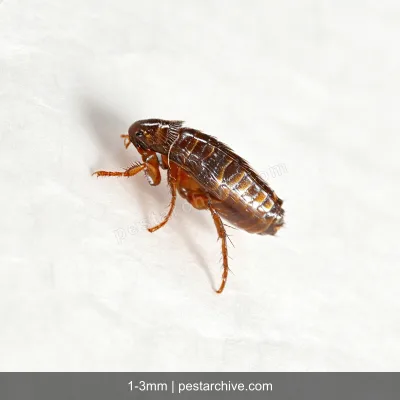
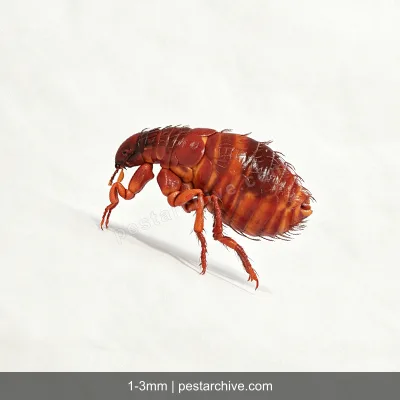
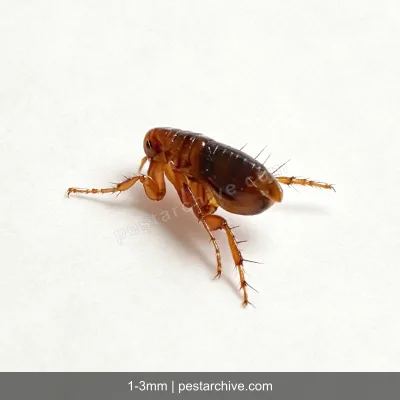
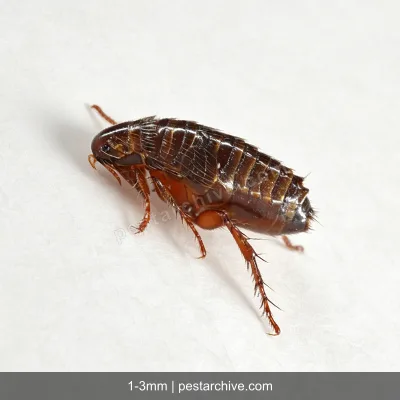
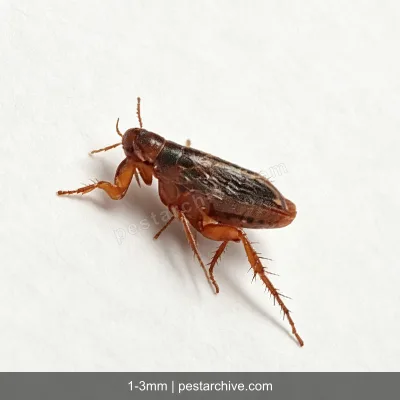
Fleas Control & Removal Guide
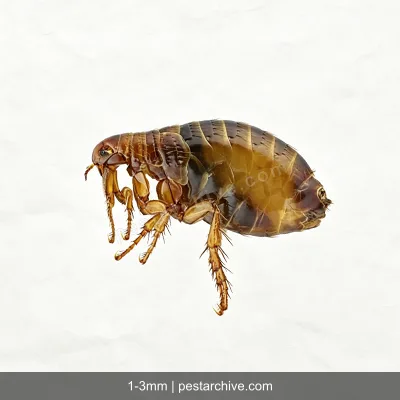
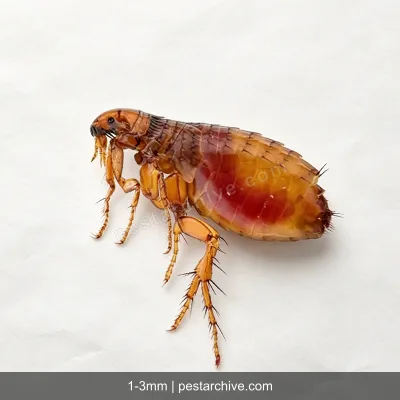
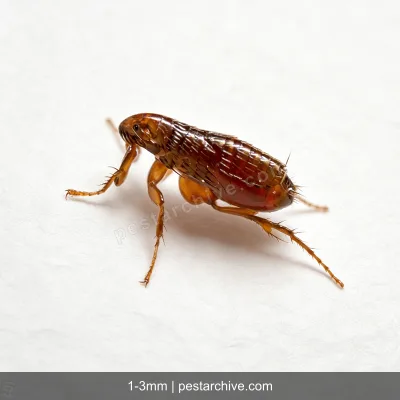
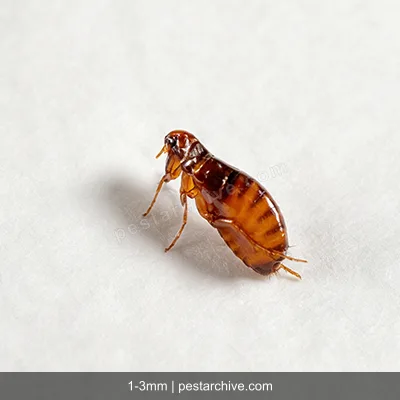
(Cat flea, Dog flea, Human flea)*Ctenocephalides felis* / *Pulex irritans*
How They Get In
- Pet Introduction: Fleas or their eggs hitchhike on pets returning from outdoor activities — lawns, bushes, dog parks, grooming salons, and boarding facilities. Cats and dogs are the primary hosts for cat fleas.;
- Human Carriage: Fleas can jump onto pant cuffs, socks, and shoes when walking through grass or visiting infested homes. Their 30cm vertical jump makes even brief outdoor exposure a risk.;
- Second-hand Items: Used sofas, mattresses, carpets, and pet beds may harbor flea eggs, larvae, and dormant pupae. Pupae in cocoons can survive for months and emerge when conditions are right — so even seemingly clean used items can introduce fleas.;
- Neighbor-to-Neighbor Spread: In multi-unit buildings, fleas travel through hallways, wall voids, utility conduits, and floor cracks between adjacent units.
How to Get Rid of Them
- Pre-Treatment Cleaning: Vacuum all carpets, sofas, mattresses, floor cracks, and baseboards thoroughly. Vacuuming physically removes 50-80% of flea eggs and adults while the vibration stimulates dormant pupae to emerge — making them vulnerable to treatment. Wash all pet bedding, sheets, and removable fabric covers in water above 60°C, or sun-dry for 2+ days. Close windows and doors. Remove pets, children, food, and dishes from the treatment area. Shake the spray bottle well before use.;
- Key Treatment Zones: The pet resting area and a 1-2 meter radius — the highest flea density zone. Sofa cushion seams and folds, carpet throughout with special attention to edges, mattress seams and under-bed areas, baseboard-wall junctions, closet floor corners, and door/window frame gaps. Ensure the spray penetrates deep into cracks and crevices — surface spraying alone cannot reach hidden fleas.;
- Application Method: Hold the sprayer 20-30cm from the surface. Spray evenly until slightly moist — do not saturate. For cracks and seams, use the nozzle to spray directly inside. For flat surfaces, sweep evenly to form a uniform residue film. Spray the lower 30cm of walls along baseboards — fleas can jump this high. Allow to air dry; do not wipe.;
- Post-Treatment: Keep the area closed for 2-3 hours while the product dries and takes effect. Ventilate for 1+ hour before allowing pets and children to return. Do not wet-mop or wipe treated surfaces for 24 hours to preserve the residual film. Use pet-specific flea treatments on animals — do NOT use environmental spray directly on pets.;
- Repeat Treatment Schedule: Flea pupae are highly resistant. Eggs that survive the first treatment will hatch in 7-14 days. Repeat spraying 2-3 times at 7-10 day intervals to kill newly emerged adults before they can lay eggs. Continue vacuuming 2-3 times weekly during the treatment period — always seal and discard the vacuum bag immediately after each use.
Prevention & Follow-Up
Repeat treatment every 7-10 days for 2-3 rounds to break the flea breeding cycle. Vacuum floors and fabrics 2-3 times per week, immediately seal and discard vacuum bags to prevent fleas from escaping. Keep pets on monthly flea prevention. New pets should be quarantined and checked before entering the home. After visiting homes with flea problems, change and wash clothes promptly.