Do sandflies transmit diseases?
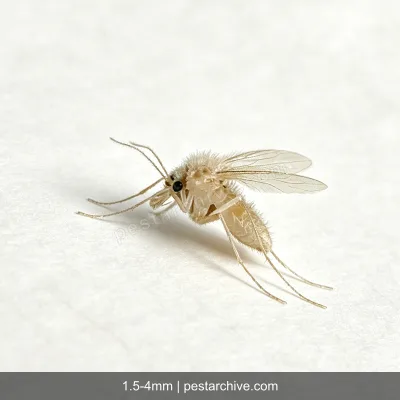
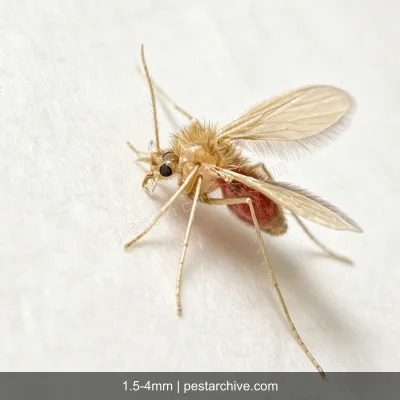
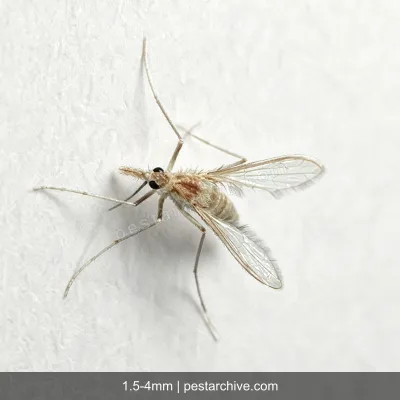
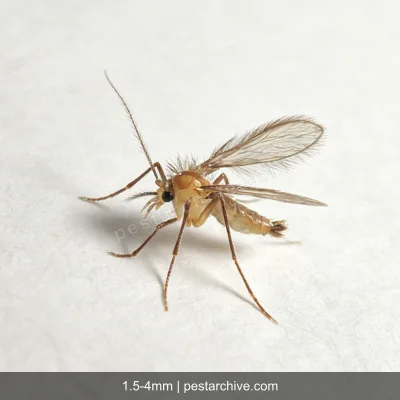
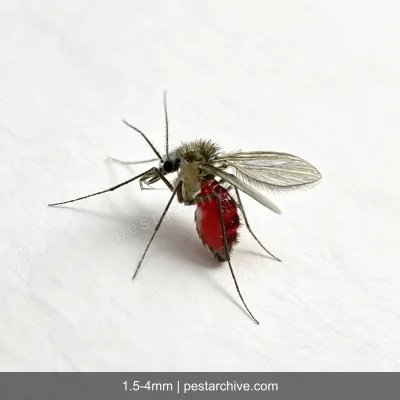
Do sandflies transmit diseases?
Sandflies do transmit diseases, and the diseases they transmit are quite serious, mainly caused by a parasite called *Leishmania*. Understanding these risks helps in taking proper precautions.
Main diseases transmitted
- Kala-azar (visceral leishmaniasis) — This is the most famous and severe disease transmitted by sandflies. Caused by *Leishmania*, sandflies ingest the parasite when biting an infected person and inject it into a healthy person when biting again. The parasite primarily invades the liver, spleen, and bone marrow. Typical symptoms are irregular fever, splenomegaly, anemia, and weight loss. Without treatment, the mortality rate is high.
- Cutaneous leishmaniasis — *Leishmania* affects the skin, causing chronic ulcers at the bite site that take a long time to heal and leave scars.
- Sandfly fever (Pappataci fever) — Caused by a virus, symptoms resemble a severe cold: high fever, headache, retro-orbital pain, and joint aches. Although generally not fatal, it is still very unpleasant.
Endemic areas
In China, kala-azar is mainly endemic in the following provinces: Xinjiang, Gansu, Sichuan, Shaanxi, Shanxi, Inner Mongolia, and other northwestern and northern provinces. Sporadic cases also occur in southern provinces.
How to prevent it
- Those living in endemic areas should use fine-mesh mosquito nets while sleeping, as sandflies are smaller than mosquitoes and ordinary nets cannot block them.
- Install window and door screens with at least 40 mesh.
- Minimize outdoor activities after dusk; if you must go out, wear long sleeves and pants.
- Apply residual sprays containing deltamethrin on indoor walls; sandflies like to rest on walls and die upon contact with the treated surface.
- If a family member has persistent fever, splenomegaly, etc., and lives in an endemic area, inform the doctor to check for kala-azar.