What to do if a wooden door frame is hollowed out?
What to do if a wooden door frame is hollowed out?
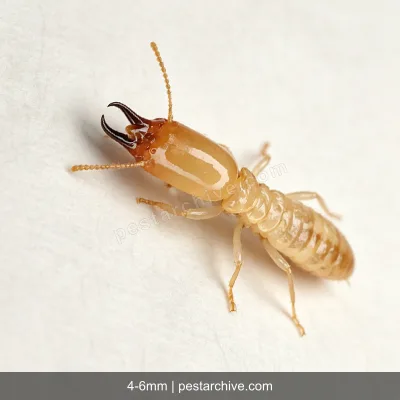
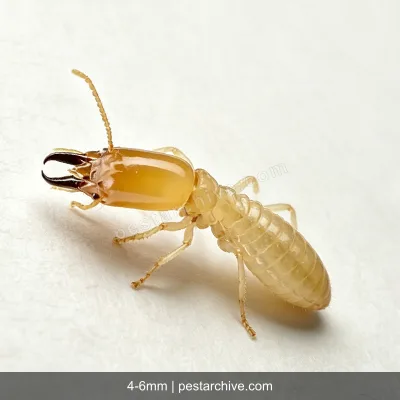
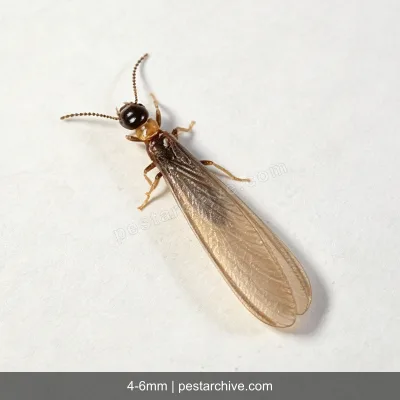
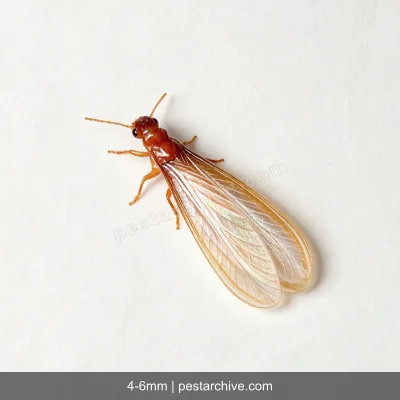
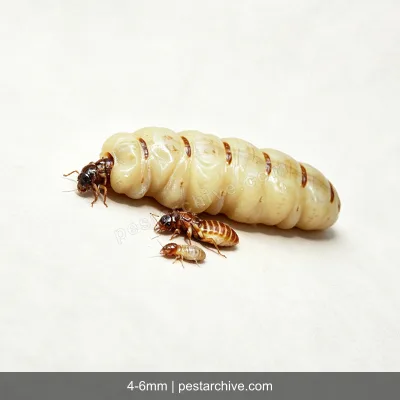
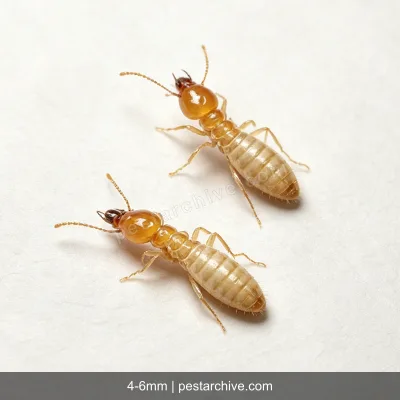
A hollowed-out wooden door frame indicates termites have been feeding for some time. Worker termites are about 4-6 mm long; a medium-sized colony (about 100,000-200,000 workers) consumes about a thumbnail-sized piece of wood per day, hollowing out a door frame within months. Do not knock or dismantle it randomly, and do not spray ordinary insecticides, as this may disturb the termites and cause them to relocate.
Step 1: Assess the damage
Tap the door frame with a tool to gauge how much is hollow. Hollow sounds indicate internal damage; solid sounds indicate intact areas. Check the parts near the floor and corners, where termites typically start feeding.
Step 2: Locate termite mud tubes
Carefully lift a small section of paint on the door frame to look for thin mud trails. Termites are light-averse and build mud tubes (shelter tubes) from soil and secretions to move around. Following these tubes can lead to the main colony.
Step 3: Chemical treatment
Drill small holes in the damaged area and inject dinotefuran-containing household insecticide into the termite tunnels, allowing the insecticide to spread along the tubes. Termites that contact the insecticide will carry it back to the colony, where it spreads through grooming and feeding.
Step 4: Observe after treatment
Do not seal the door frame immediately after treatment. Wait 1-2 weeks to see if there is new frass or termite activity. If none, fill the drill holes with putty.
Special reminder
If the door frame is severely damaged (large areas sound hollow), spraying alone is insufficient; a professional termite control company should be consulted. In severe cases, the damaged door frame must be replaced.