What diseases do flies transmit?
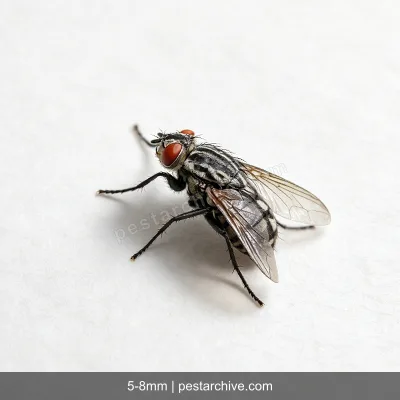
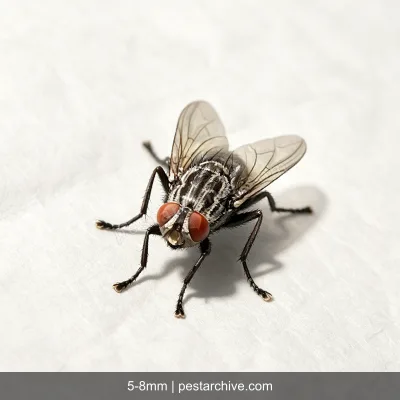
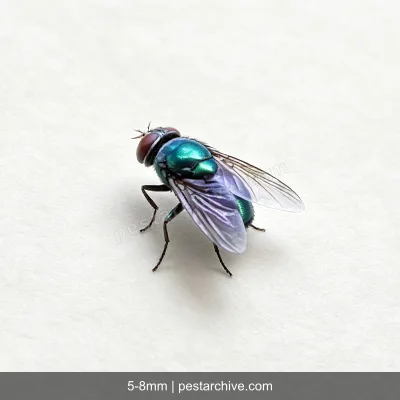
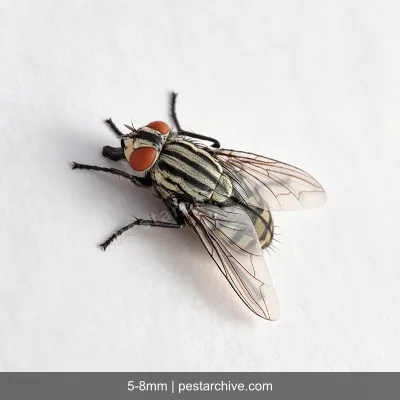
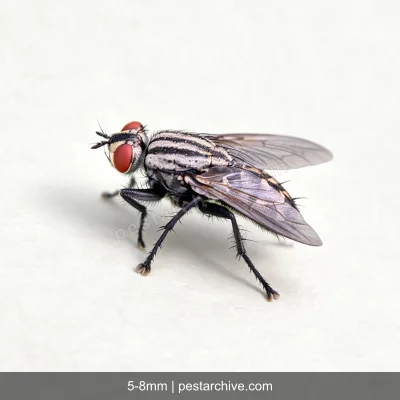
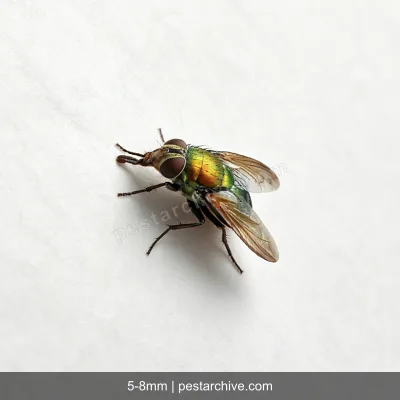
What diseases do flies transmit?
Flies are notorious "germ carriers." Their main danger is not biting (flies do not bite) but mechanically transmitting pathogens.
Why are flies able to transmit diseases?
The fly's life habits make it particularly prone to spreading germs:
- Flies feed and lay eggs on garbage, feces, and decaying matter; their body hairs and feet are covered with various microorganisms.
- Flies have a habit of "vomiting and defecating while feeding" — they regurgitate digestive fluids to dissolve solid food before sucking it up, leaving germs on the food in the process.
- Flies are strong fliers with a wide range and can fly directly from contaminated sources to dining tables.
Major diseases transmitted by flies
- Gastrointestinal infections — dysentery (Shigella), typhoid (Salmonella), cholera (Vibrio cholerae), E. coli infections, etc., transmitted through contaminated food and water.
- Parasitic diseases — flies can carry roundworm eggs, whipworm eggs, and other parasite eggs, contaminating food and causing infections.
- Eye infections — flies feeding on eye secretions can transmit Chlamydia trachomatis (trachoma) and conjunctivitis.
- Skin infections — feeding on skin wounds may cause infections.
Flies and food safety
When a fly lands on food, it is not just "touching" it — it may leave pathogens behind. Therefore, kitchens and dining areas must be strictly fly-proof:
- Cover food with food covers or store in the refrigerator.
- Keep garbage bins covered and sealed.
- Install screens on windows and doors.
- Regularly treat window frames, door frames, and other fly resting areas with dinotefuran-containing household insecticide.