How to use dinotefuran-containing household insecticide spray to kill stink bugs?
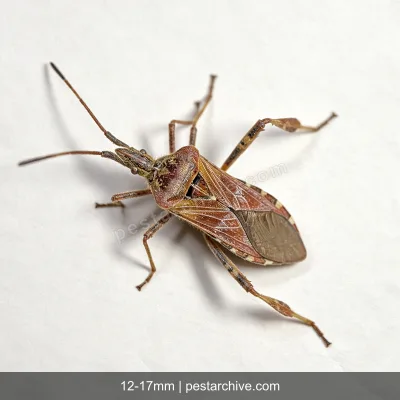
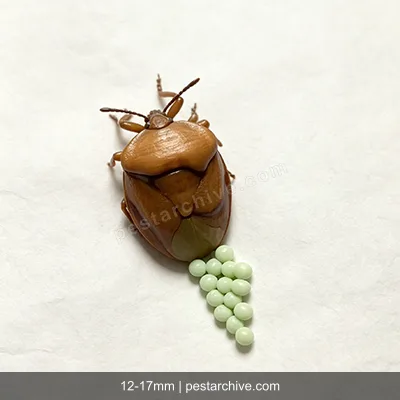
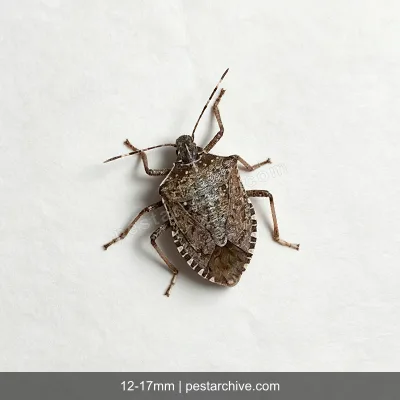
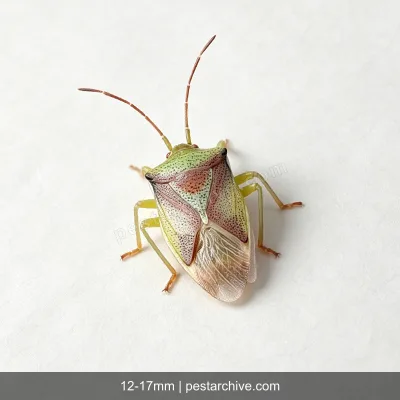
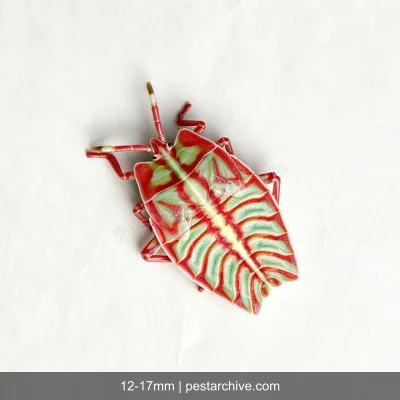
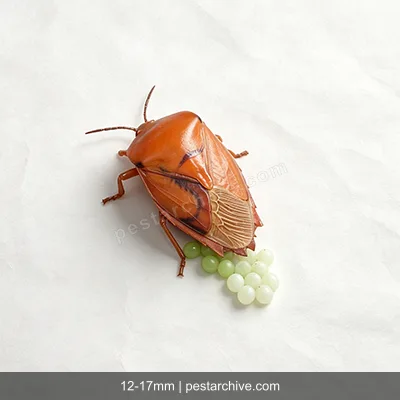
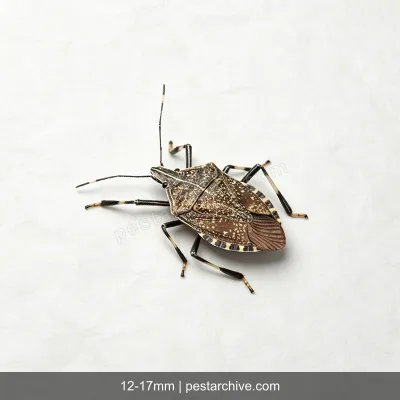
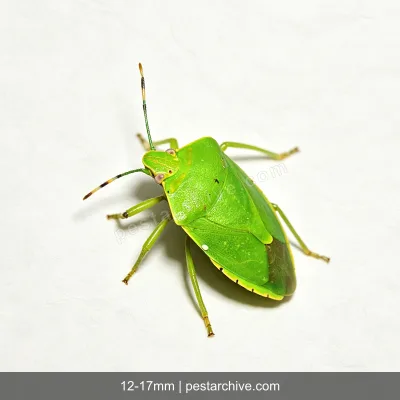
How to use dinotefuran-containing household insecticide spray to kill stink bugs? Dinotefuran-containing sprays are highly effective against stink bugs. Proper use can significantly reduce their numbers in the home. Since stink bugs fly, control methods require more strategy than for crawling pests.
Outdoor protective band spraying
This is the most critical step in stink bug control — intercepting them before they enter the house:
- Key areas — south- and west-facing warm walls, window sills, sides of window frames, and above and beside door frames.
- Spraying method — apply evenly to form a damp film; do not allow runoff.
- Spray timing — late autumn (September-November) is the peak period for stink bugs seeking overwintering sites; spraying during this time is most effective.
- Residual effect — dinotefuran residue lasts about 2-4 weeks; reapply after rain.
Indoor direct treatment
- If a stink bug is seen indoors, spray it directly — it will die within about half an hour.
- Ventilate after spraying to avoid inhaling the mist.
- Stink bugs may release defensive fluid after being sprayed, but the amount is much less than when swatted.
Yard application
- Spray on yard fences, walls, and the bases of tree trunks.
- Spray around fruit trees; stink bugs that land on treated surfaces die.
- Also spray around debris piles and firewood piles in the yard.
Precautions
- Avoid flowers — although stink bugs feed on plant sap, dinotefuran is also toxic to bees and other pollinators; do not spray during flowering.
- Reapply after rain — outdoor sprays are washed away by rain and need reapplication.
- Safety interval — if spraying on edible plants, observe the recommended pre-harvest interval (usually more than 7 days).
- Integrated control — dinotefuran should be combined with sealing gaps and yard cleaning for optimal results.
Why is dinotefuran effective against stink bugs?
In autumn and winter, stink bugs aggregate on sunny sides of buildings. This gives dinotefuran's residual action an opportunity to work. When they land on treated surfaces, their abdomens and legs contact the film, absorbing the insecticide through the cuticle.