Where Do Fruit Flies Come From?
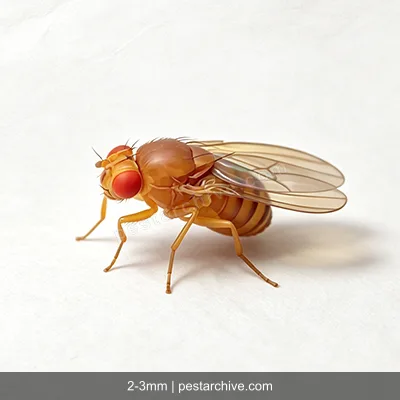
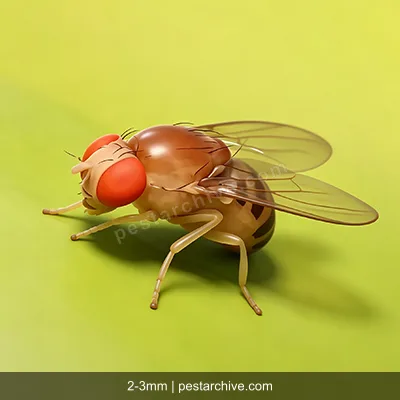
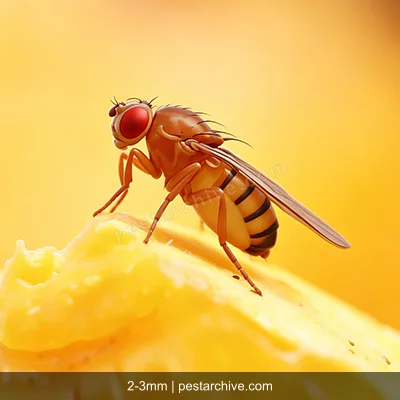
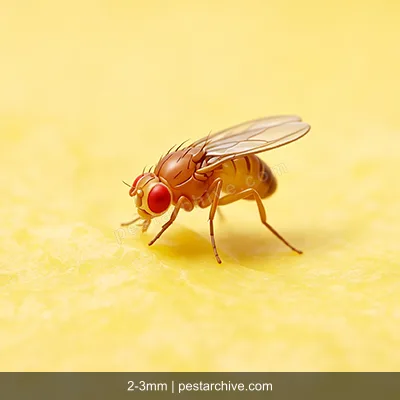
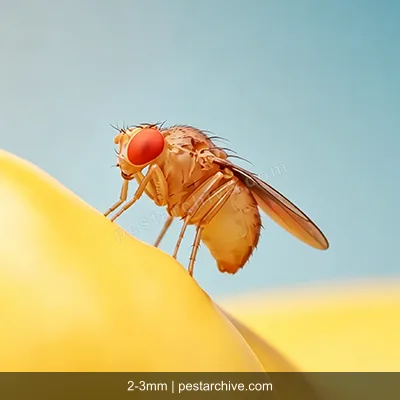
Are Fruit Flies Harmful?
Fruit flies pose very little direct harm to people, but the indirect nuisance they create is worth taking seriously.
Direct Harm (Very Low)
- Fruit flies don't bite and don't suck blood — their mouthparts are sponging-type, designed only for lapping up liquids. They have no ability to bite people or pets.
- They don't transmit disease through bites — unlike mosquitoes and fleas, they don't spread illness by feeding on blood.
- Most people are not allergic to fruit flies.
Indirect Problems (Worth Noting)
- Food contamination — After crawling over rotting fruit and kitchen scraps, fruit flies land on fresh fruit, utensils, and countertops, spreading yeast and acetic acid bacteria that speed up food spoilage.
- Microbial spread — Fruit flies can carry various microorganisms on their bodies, including:
- Acetic acid bacteria and yeasts — accelerate food fermentation and spoilage
- Mold spores — can cause food to grow mold
- In rare cases, they may carry intestinal pathogens like Salmonella (though the risk is far lower than with house flies)
- Home brew contamination — If you make your own wine, fruit vinegar, or fermented drinks at home, fruit flies can introduce unwanted microbes into the batch and ruin the whole thing. This is one of the most common problems in home fermentation.
- General nuisance — When fruit flies multiply, your kitchen fills with them. They land on fruit and food, which is genuinely annoying. And they breed incredibly fast — you see a few today, and a swarm appears a few days later.
How to Reduce Fruit Fly Problems
- Refrigerate fruit — store leftover and cut fruit in the fridge
- Seal kitchen scraps — use a trash can with a lid for peels, cores, and food waste
- Take out the trash daily — don't leave food scraps sitting overnight
- Keep countertops clean — wipe kitchen surfaces dry; don't leave juice or sugary liquid behind