What Are the Symptoms of Scabies and How Do You Treat It?
What Is Scabies? How to Tell If You Have It?
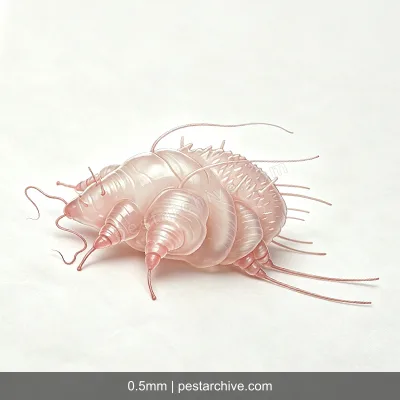
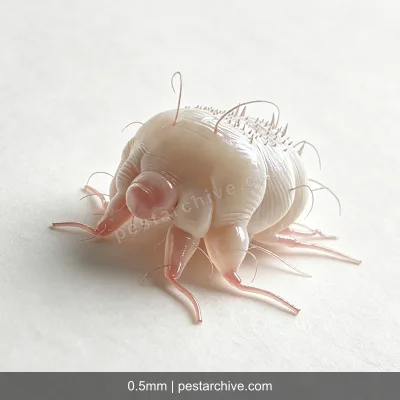
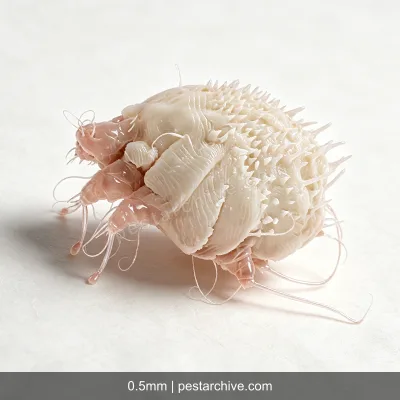
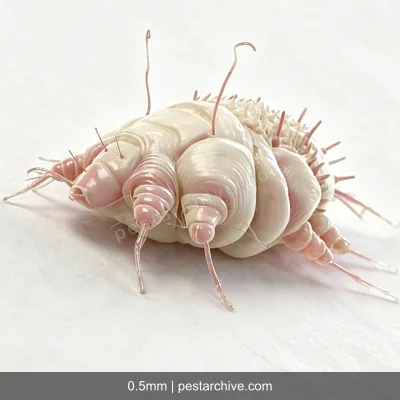
Scabies is a skin condition caused by scabies mites burrowing into the outer layer of skin (the stratum corneum) to lay eggs. Scabies mites are microscopic parasites that live in human and animal skin. They are extremely tiny (0.2-0.4 mm) and nearly invisible to the naked eye.
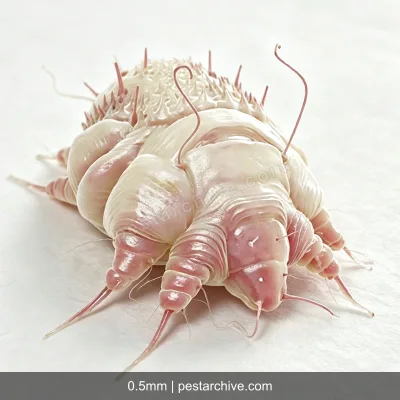
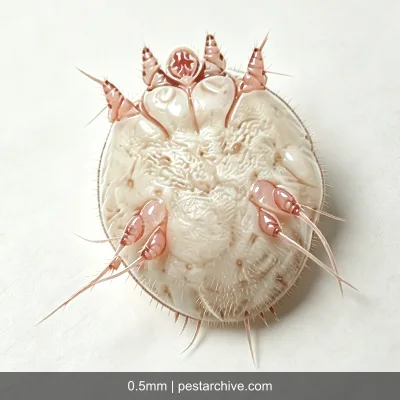
Scabies Mite Appearance
- Extremely tiny, about 0.2-0.4 mm. To the naked eye, only a small white dot is visible.
- Oval-shaped body, semi-transparent.
- Four pairs of legs; the front two pairs have suckers.
- Females are slightly larger than males.
Scabies Mite Behavior
- Female mites burrow tunnels in the skin's stratum corneum to lay eggs, advancing 2-3 mm per day.
- Eggs hatch inside the tunnels in 3-5 days. The larvae crawl to the skin surface to develop.
- The full egg-to-adult cycle takes about 10-14 days.
- Off the human body, scabies mites can survive 24-36 hours at room temperature.
The Disease They Cause
Scabies mites are the causative agent of scabies. As the female mite burrows through the skin, her waste and secretions trigger an intense allergic reaction, producing:
- Severe itching (especially worse at night).
- Red papules and blisters on the skin.
- Characteristic "burrow" marks -- grayish-white or light black thin lines, about 5-15 mm long.
Scabies is a contagious skin condition spread through close contact, including sexual contact, sharing a bed, and sharing clothing or towels.