Scabies vs. Eczema: How to Tell the Difference
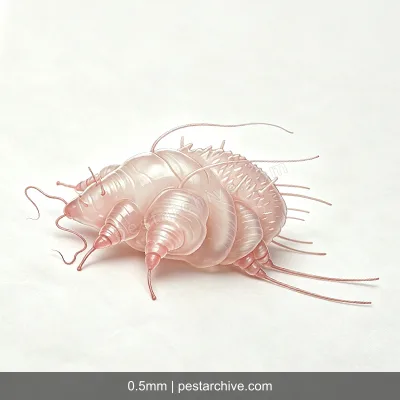
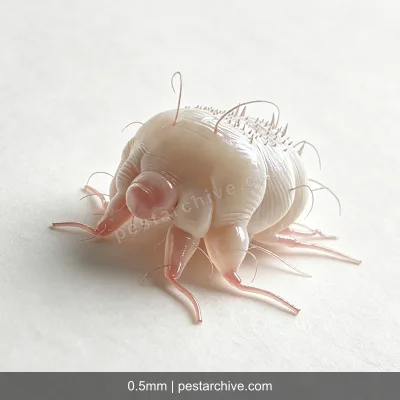
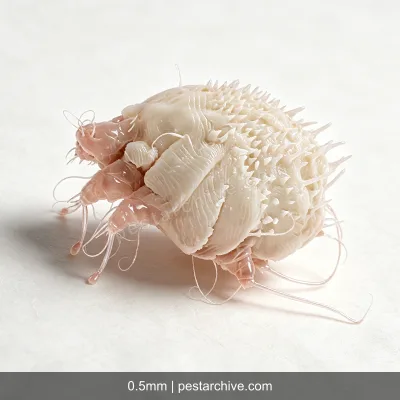
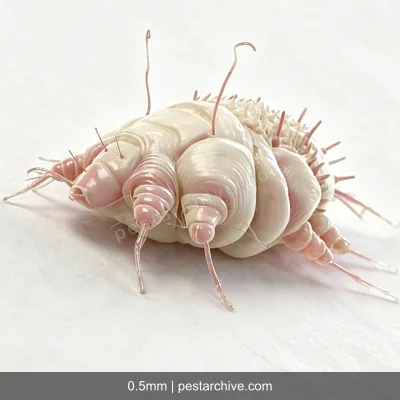
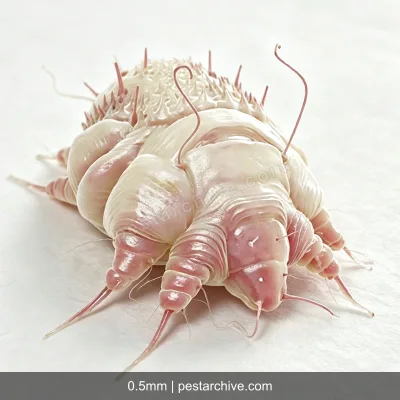
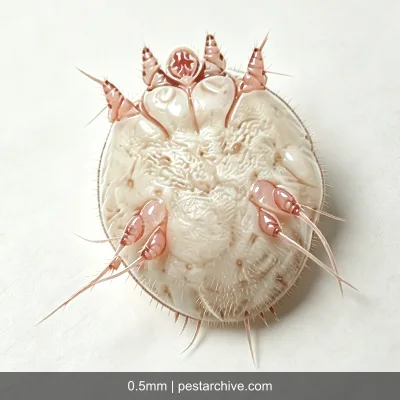
How to Tell Scabies and Eczema Apart?
Scabies and eczema can look somewhat similar, but telling them apart is important because the treatments are completely different. Here is a detailed comparison:
Itching Characteristics
- Scabies itch: Has a clear "time pattern." Itching is most intense at night when you're in bed and when the covers warm up. It can be so severe you can't sleep. This is because scabies mites become more active in warm environments.
- Eczema itch: No specific time pattern. Itching may be persistent and is related to skin dryness and contact with allergens.
Rash Distribution
- Scabies: Has characteristic "predilection sites" -- between the fingers, wrist flexures, inner elbows, armpits, waist, inner thighs, groin, and around the genitals. The back is generally not affected (a key distinguishing point).
- Eczema: More widely distributed, no specific predilection sites. Can appear anywhere.
Distinctive Features
- Scabies: Grayish-white or light brown linear burrows (2-10 mm long) may be visible. These are the tunnels the female mite digs in the stratum corneum -- a specific sign of scabies. A small blister is often seen at the end of a burrow.
- Eczema: No burrows. Skin lesions are more varied -- redness, papules, blisters, oozing, crusting, lichenification.
Onset Pattern
- Scabies: Multiple people living in the same household develop the same symptoms one after another. This is an important clue for scabies.
- Eczema: Usually affects individuals and does not appear in multiple household members simultaneously.
Response to Treatment
- Scabies: Regular anti-itch and antihistamine medications are not very effective. Scabicide medications are needed (e.g., sulfur ointment, lindane cream).
- Eczema: Antihistamines and topical steroid creams are effective.
What If You Really Can't Tell Them Apart?
Scabies and eczema can sometimes genuinely be confused, especially when symptoms are not typical. Recommendations:
- See a dermatologist. The doctor can scrape skin debris and examine it under a microscope for mites or eggs to confirm the diagnosis.
- Do not use steroid creams on your own for a long period. If it turns out to be scabies, steroid creams suppress the immune response and allow the mites to multiply more aggressively, making the condition worse.