Does Dinotefuran Kill Thrips?
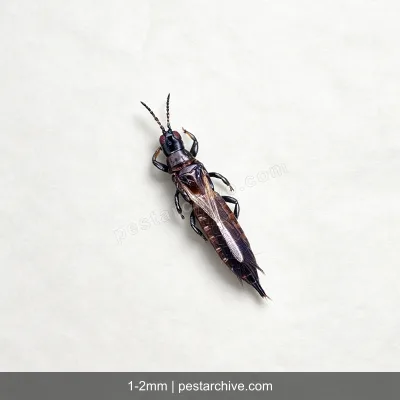
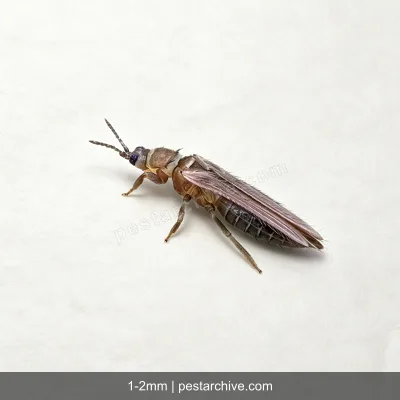
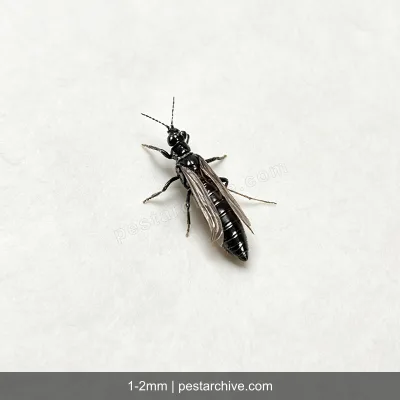
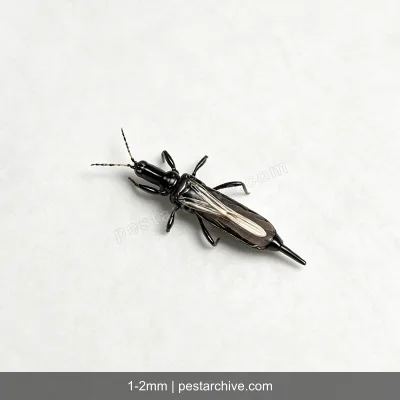
Do Thrips Spread Plant Diseases?
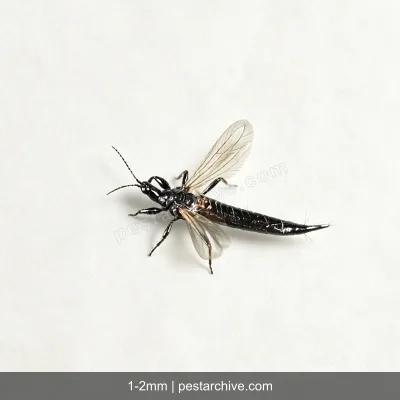
Thrips not only directly damage plants but also transmit multiple plant viruses. This is their most serious threat.
Viruses Transmitted by Thrips
Thrips are important plant virus vectors. The main viruses they spread include:
- Tomato spotted wilt virus (TSWV) — The most common and serious. It affects over 200 plant species including tomatoes, peppers, eggplants, and peanuts
- Tobacco ringspot virus — Affects tobacco, tomatoes, cucurbits, etc.
- Impatiens necrotic spot virus — Affects ornamental flowers
How Virus Transmission Works
The transmission process is simple:
- Nymphs or adults feed on an infected plant and pick up virus particles on their mouthparts
- They fly to a healthy plant to feed and inject the virus into the plant
- The virus multiplies and spreads within the plant, causing systemic infection
Why Controlling Thrips Is Controlling Viruses
- Once a plant is infected with a virus, there is currently no effective treatment
- Infected plants must be uprooted and destroyed entirely
- Controlling thrips itself breaks the virus transmission chain
- That's why thrips control is so important whether you're growing plants on a balcony or vegetables in a garden
Which Plants Are Most Vulnerable?
- Solanaceous vegetables: tomatoes, peppers, eggplants, potatoes
- Cucurbits: cucumbers, zucchini, pumpkins
- Ornamentals: chrysanthemums, dahlias, petunias
- Wherever thrips are abundant, the risk of virus transmission is high