Can You Still Eat Rice with Weevils?
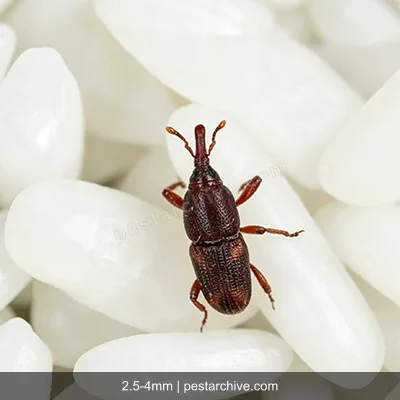
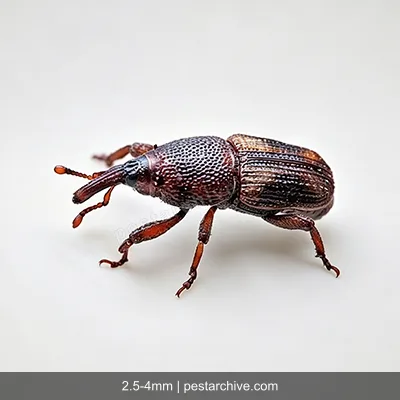
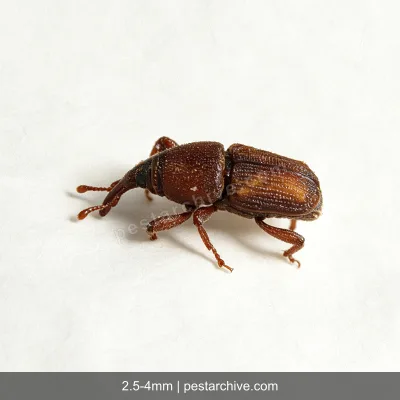
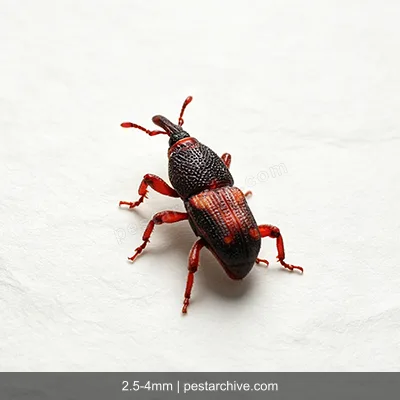
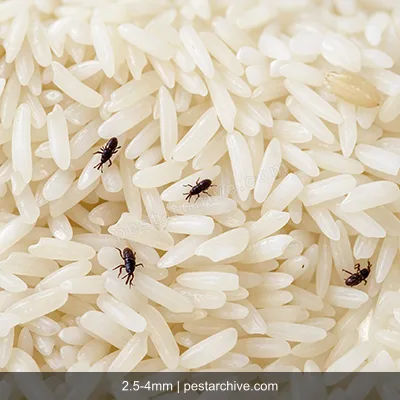
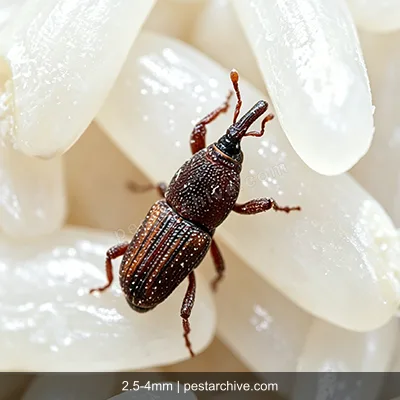
Can You Still Eat Rice That Has Weevils?
Whether rice with weevils is still edible depends on the severity of the infestation and whether the rice has gone bad. Rice weevils themselves are not toxic. Rice that has been infested can usually still be eaten after treatment — provided it hasn't grown mold or spoiled.
Light Infestation (Safe to Eat)
If there are only a few weevils and the rice shows no obvious discoloration, mold, or off smell:
- Pour the rice into a large basin and pick out visible bugs and clumps.
- Rinse multiple times with clean water. Dead bugs and hollowed-out shells will float to the surface and can be poured off.
- After thorough rinsing, cook the rice as usual.
- Rice weevils don't carry infectious diseases — eating them just feels unpleasant.
Heavy Infestation (We Recommend Discarding)
Throw the rice away if:
- The grains are riddled with holes, with lots of broken grains and powder.
- There are visible webs, clumping, or signs of mold.
- The rice smells musty or sour.
- There are so many bugs that a pinch of rice contains several.
Why Is It Still Safe to Eat?
Rice weevil adults and larvae are mostly protein and water. They get digested by stomach acid and pose no health risk. In fact, many people have unknowingly eaten rice containing weevil eggs — the eggs are too small to see and become completely undetectable after cooking.
Handling Tips
If you find weevils in your rice and don't want to waste it:
- Spread the rice out in a cool, ventilated spot. Some bugs will crawl away on their own.
- Or freeze for 24 hours to kill bugs and eggs.
- Rinse the rice several times to float off bug shells and hollow grains.
- After treatment, use the rice quickly — don't store it long-term.
Important Warning
If the rice has been infested for a long time without treatment, the damaged grains absorb moisture more easily and are more likely to grow mold. Before deciding to eat it, make absolutely sure there's no mold. The real health risk comes from aflatoxins produced by mold, not from the weevils themselves.