Horse Fly vs. House Fly: Key Differences
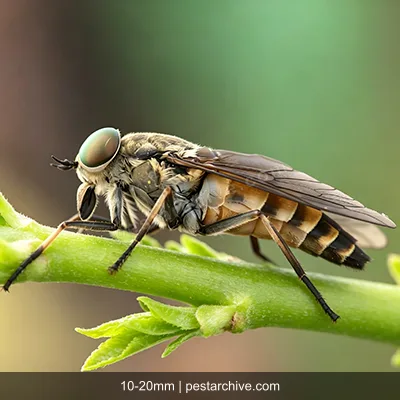
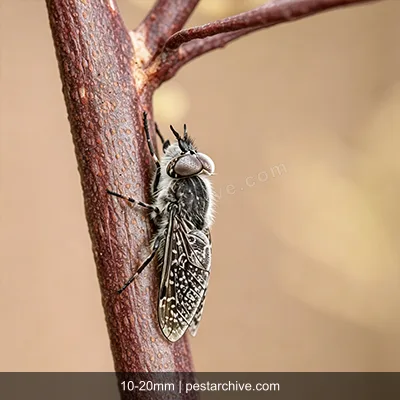
What's the Difference Between Horse Flies and House Flies?
Horse flies and house flies both fly into homes, but they are very different. The core difference: house flies don't bite. Horse flies bite and feed on blood.
Size and Appearance
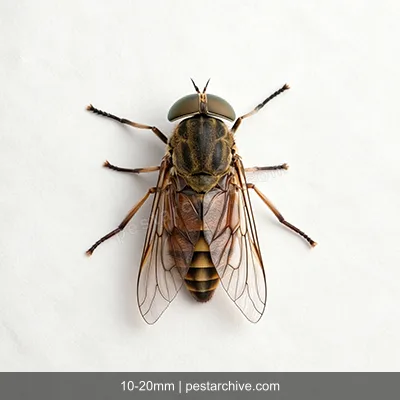
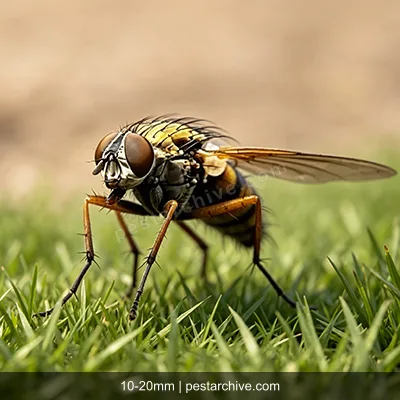
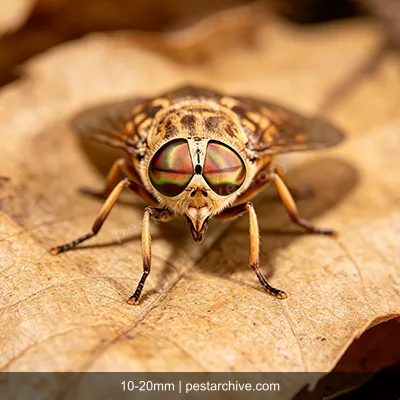
- Horse fly: Robust build (10-20 mm), bullet-shaped, large head with large eyes. Metallic colors (green, blue, black).
- House fly: Flatter build (5-10 mm), small head, prominent red eyes. Grayish-black.
Mouthparts and Feeding
- Horse fly: Mouthparts are like tiny blades that slice skin open to feed on blood. The bite is very painful.
- House fly: Mouthparts are like a sponge pad, used only for lapping up liquids. Cannot bite.
Behavior
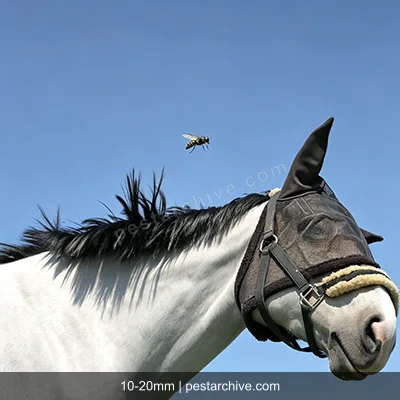
- Horse fly: Mainly outdoors, chases people and animals for blood meals. Fast flight with a loud, deep buzz.
- House fly: Moves between garbage, food, and feces. Crawls and laps. Flight buzz is lighter and higher-pitched.
Type of Harm
- Horse fly: Direct biting and blood-feeding. Painful, swollen wounds. May transmit livestock diseases.
- House fly: Carries germs and contaminates food. Spreads intestinal diseases.
Control Methods
- Horse fly control: Focus on screens, environmental cleanup, and residual surface treatment.
- House fly control: Focus on garbage management, keeping food sealed, and cleanliness.
A simple way to remember: house flies come to eat, horse flies come to bite. Be more cautious around horse flies.