How to Keep Horse Flies Away from the Pool
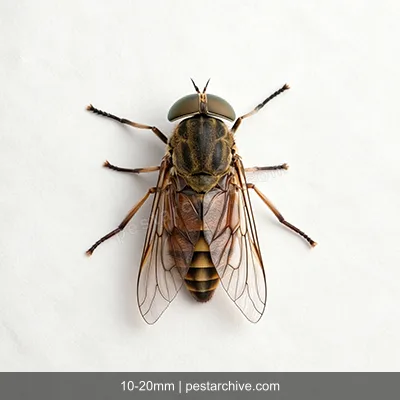
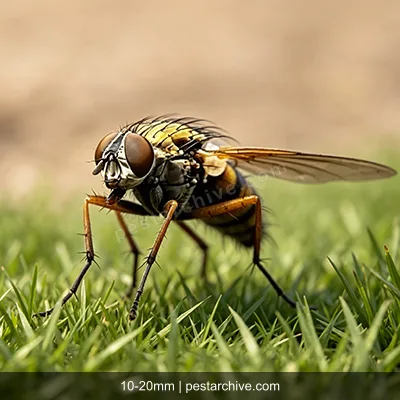
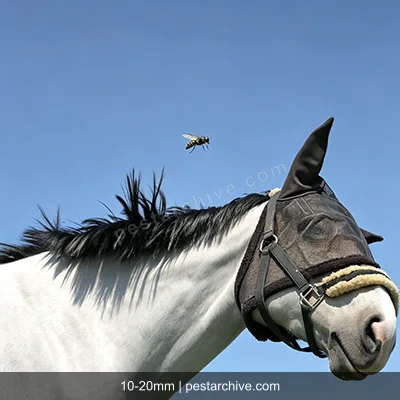
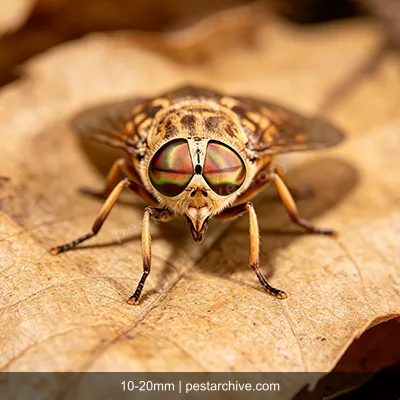
Where Do Horse Fly Larvae Live?
Horse fly larvae live near water and in damp soil -- a completely different environment from the flying, blood-feeding adults:
Larval Habitats
- Damp mud along ponds and streams -- The most typical horse fly breeding site. Larvae live in the wet mud above the waterline, preying on small creatures that pass by.
- Marshes and wetlands -- In waterlogged soil, horse fly larvae burrow into the mud and feed on small aquatic insects and worms.
- Rice paddies and ditch edges -- The damp soil along irrigation ditches on farms often harbors horse fly larvae.
- Under rotting plant piles -- The bottom of leaf litter piles and decomposing aquatic vegetation, where it's moist and rich in organic matter.
Larval Appearance and Behavior
- Shape: Spindle-shaped, tapered at both ends, about 15-25 mm long.
- Color: Pale green or yellowish-brown, blending with the mud for camouflage.
- Body: Each segment has ring-like ridges that help them move through mud.
- Mouthparts: Predatory, capable of catching and sucking out small insects and worms.
- Breathing: A breathing tube at the tail end extends above the water surface.
How They Differ from Maggots
- Horse fly larvae are predators that eat other small creatures; house fly larvae (maggots) feed on decaying organic matter.
- Horse fly larvae live in damp soil; maggots live in garbage and feces.
- Horse fly larvae are spindle-shaped with ring-like ridges; maggots are cylindrical and smooth.
How to Reduce Horse Fly Larval Breeding
The key to reducing horse flies around your home is disrupting larval breeding sites:
- Keep yard drainage clear. Eliminate puddles and persistently wet areas.
- Regularly clean pond edges to reduce mud and silt buildup.
- Clear leaf litter, dead weeds, and rotting vegetation from the yard.
- Trim shrubs that extend to the water's edge so sunlight can reach the ground and keep it dry.