Do Earwigs Really Crawl Into Your Ears? The Truth
Do Earwigs Bite People?
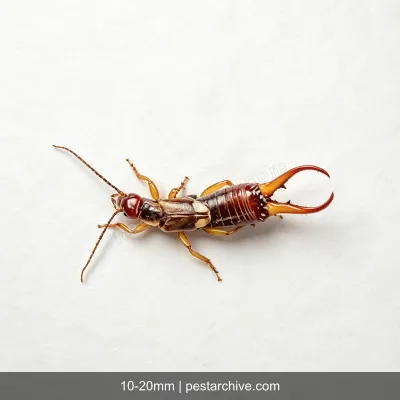
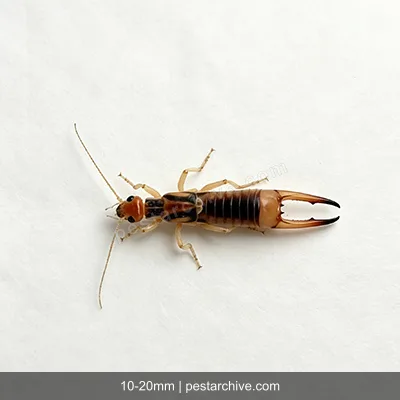
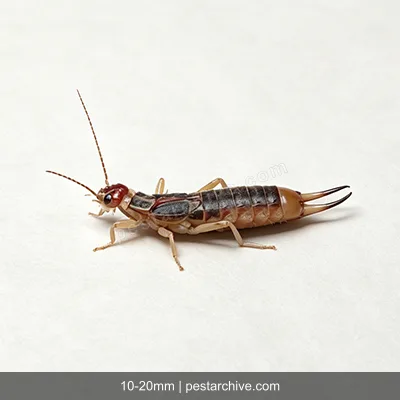
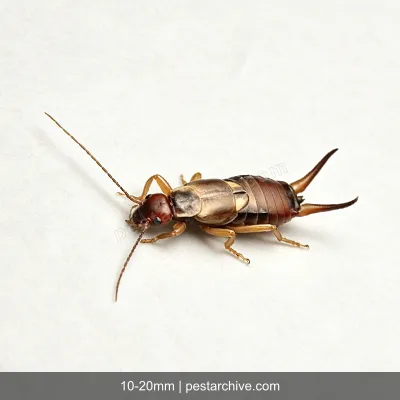
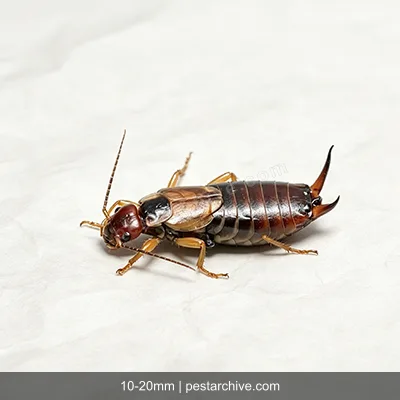
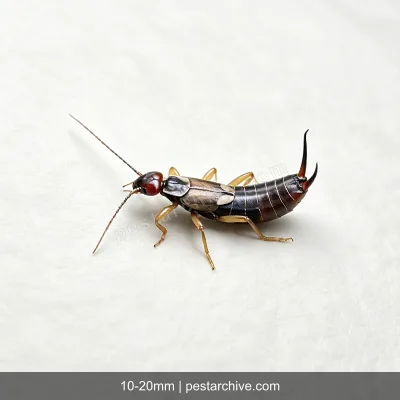
An earwig's pincers can grip human skin, but they rarely cause any real harm. The pincers have limited strength — they're meant for fighting other earwigs and catching small prey. To a person, it's no worse than a light pinch. Here's a more detailed explanation.
Will an Earwig Attack You?
No. Earwigs are timid and non-aggressive. When they encounter a person or pet, their first instinct is to scurry away and hide. They only use their pincers defensively when grabbed, stepped on, or squeezed.
What Does a Pinch Feel Like?
- In most cases, the pincers don't break the skin — it just feels like a sharp pinch
- In the rare case where the skin is broken, there's only mild redness and no venom
- It hurts far less than an ant bite or a bee sting
Can an Earwig Bite with Its Mouth?
Earwigs have chewing mouthparts designed for eating decaying plants and small insects. While they technically could bite a person, it almost never happens in reality. They don't actively use their mouthparts to bite people — the pincers are their defense tool.
How Earwigs Differ from Centipedes
Many people confuse earwigs with centipedes. Earwigs may look a little creepy, but they're not venomous and don't hurt people. Centipedes have venom and can deliver a very painful bite. The two are completely different.
What About Kids and Pets?
Earwigs pose very little risk to people, but households with small children or pets should still take some precautions:
- The pincers may not break an adult's skin, but a baby's delicate skin could get a red mark
- A curious pet might get pinched on the nose or paw while investigating an earwig
- Overall the risk is extremely low — the worst-case scenario is just getting startled