What Are the Dangers of Shore Flies to Humans?
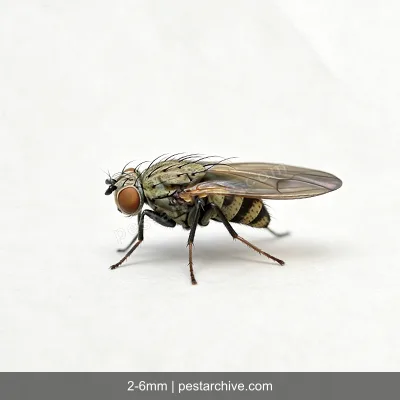
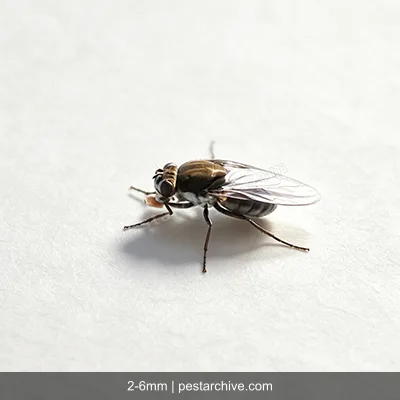
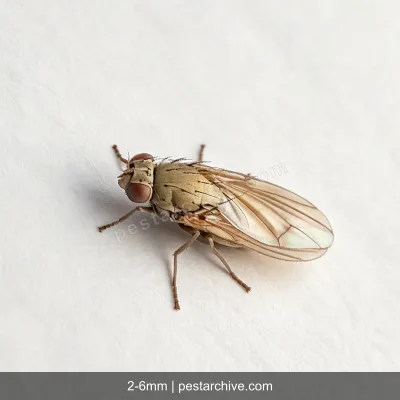
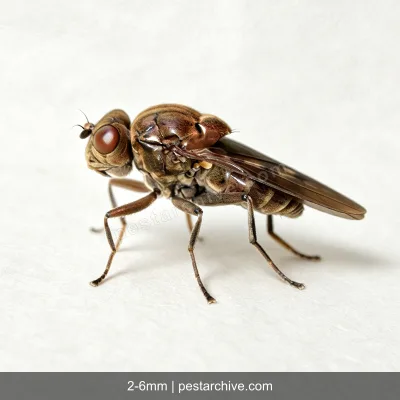
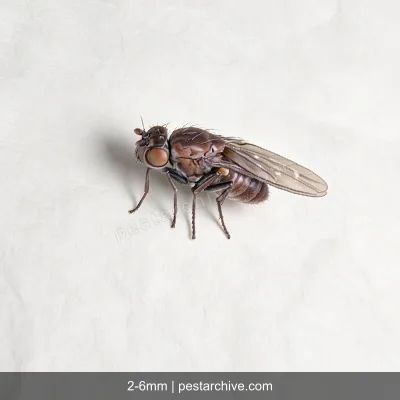
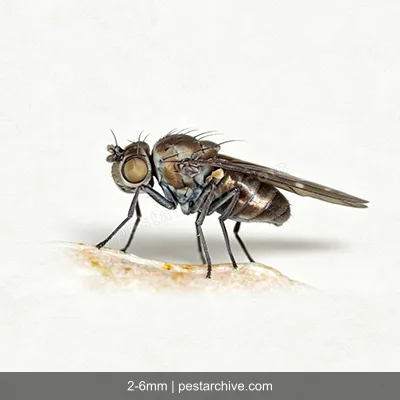
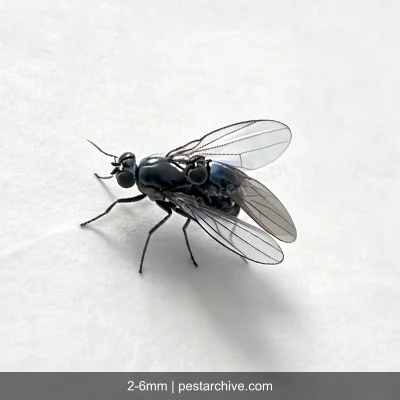
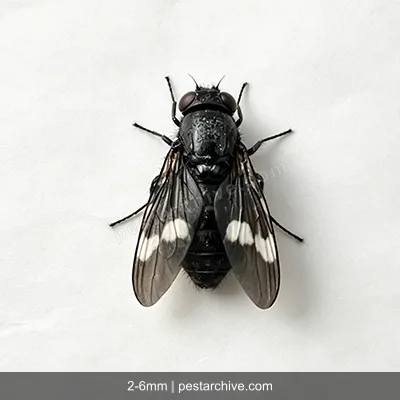
Are Shore Flies Harmful to People?
Shore flies cause almost zero direct harm to people. Their main value is as an environmental indicator — they alert you to standing water or excessive humidity in your home.
Direct Harm (Nearly Zero)
- They don't bite — their mouthparts can't pierce skin; they won't attack people or pets
- They don't suck blood — they feed on algae and microorganisms
- They don't transmit specific diseases — unlike mosquitoes and house flies, they are not known disease vectors
Indirect Concerns (Manageable Risk)
- Shore fly larvae live in standing water, drains, and other less-than-sanitary places
- Adult flies may carry environmental bacteria on their bodies, posing an indirect contamination risk if they land on food or utensils
- However, shore flies stay mostly in damp areas and rarely fly to kitchen counters or dining tables
- Compared to house flies (which can carry over a hundred types of bacteria on their bodies), the sanitation risk from shore flies is much lower
Limited Range
- They mainly stay in bathrooms and damp kitchen zones
- They won't actively fly to living rooms, bedrooms, or other dry areas
- They won't enter wardrobes or storage cabinets
- They're not active at night and won't disturb your sleep
What They're Really Telling You
Shore flies are nature's humidity indicator — their appearance means your home has relative humidity above 70% or standing water that's been sitting for over 3 days. The flies themselves are harmless, but the moisture problem they reveal is what you should really pay attention to: mold spore growth (a threat to respiratory health), warped hardwood floors, and mildew on walls. Solve the moisture problem, and the shore flies will disappear on their own.