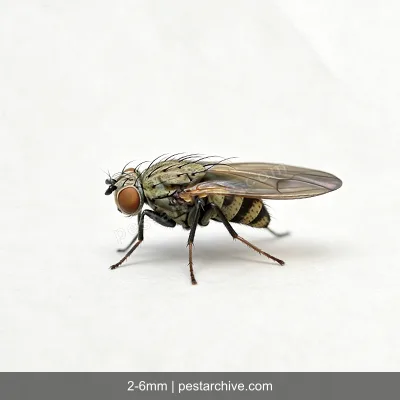
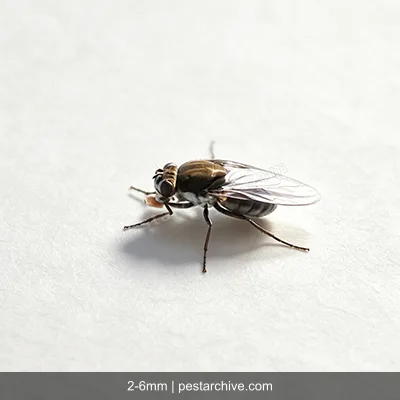
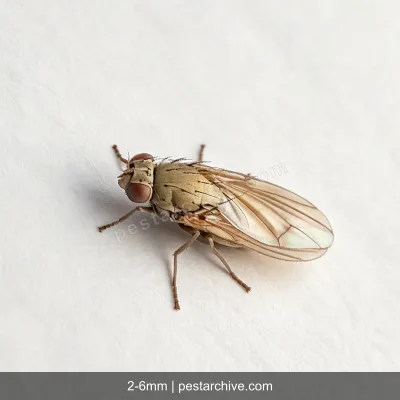
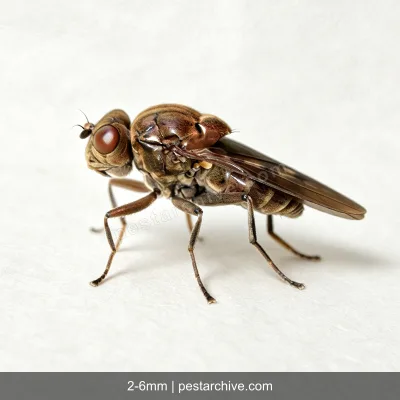
Shore Flies
(Brine flies, Water flies)*Scatella stagnalis* / Ephydridae
Identification & Appearance
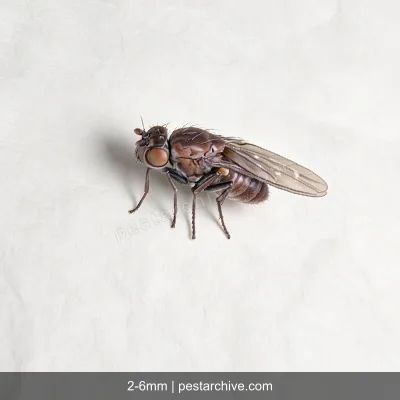
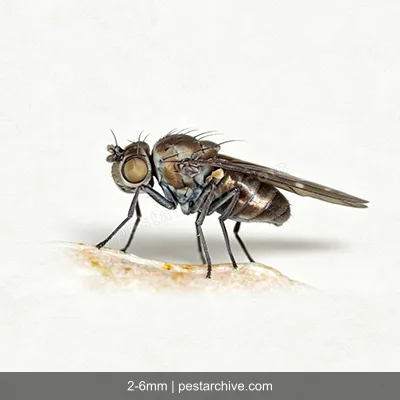
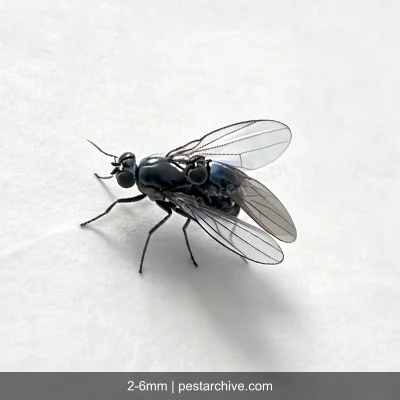
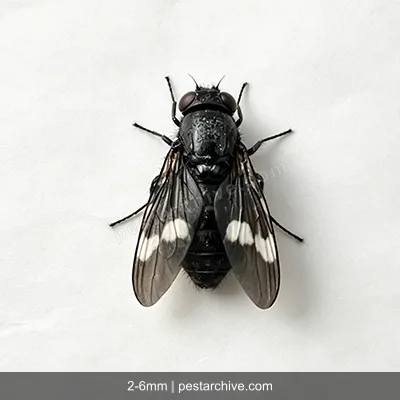
Shore flies (family Ephydridae) are small flies highly adapted to moist environments. Adults measure 2-6mm, gray-black to dark brown. Larvae measure 3-8mm, white to pale yellow. They live in water or on wet surfaces, feeding on algae, bacteria, and organic debris. Some species prey on mosquito larvae, giving them ecological value in nature. At suitable temperatures, the cycle takes 3-5 weeks. They do not bite humans or transmit disease. Their presence indoors signals chronic standing water and dampness issues.
Habits & Hiding Places
Shore flies feed on algae, bacteria, and organic debris. Indoors, they concentrate around bathroom sink and shower standing water, balcony floor puddles and water features, kitchen sink perimeters, and damp walls and windowsill condensation. Adults can skate rapidly on water surfaces; some species can dive. Flight is moderate; they typically stay near water sources. Their presence indicates indoor standing water and dampness problems. Unlike drain flies, shore flies breed in surface water and on damp surfaces rather than inside drain pipes.
Health Risks & Damage
- While they don't bite or transmit disease, their presence in bathrooms and kitchens raises hygiene concerns.;
- Ten to twenty-plus flies in a bathroom cause ongoing annoyance.;
- Large populations are a clear signal of chronic standing water and dampness issues.;
- Unlike drain flies (which breed in pipe biofilm), shore flies breed in surface water. Correctly identifying the pest is essential for targeting the right solution: eliminate surface standing water rather than cleaning pipes.
Season & Region
Cosmopolitan near water bodies. Active Apr–Nov; highest density in summer (Jun–Aug). Larvae aquatic or semi-aquatic; feed on algae and organic detritus in water. Slight variation in peak timing among species, but overall summer density is highest.
| Region | Active Period | Peak Season | Notes |
|---|---|---|---|
| N. Hemisphere Temperate | Apr–Oct | Jun–Aug | Highest summer density; declines after Sep |
| N. Hemisphere Subtropical to Tropical | Year-round | May–Sep | Year-round activity; high summer density |