Tiny Jumping Bugs in Your Bathroom? It Might Be Springtails
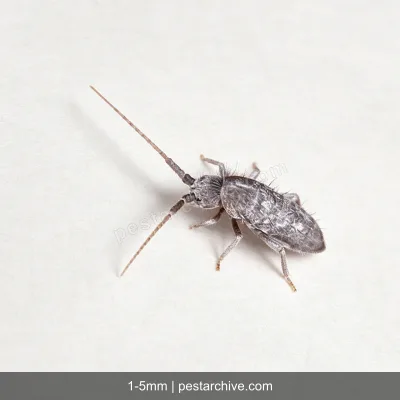
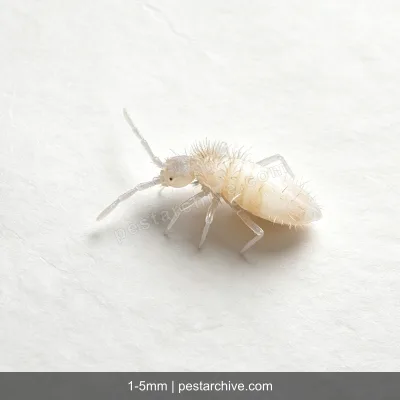
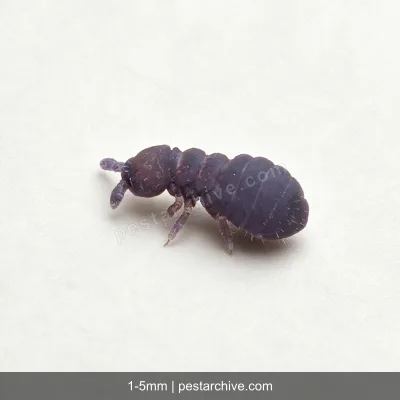
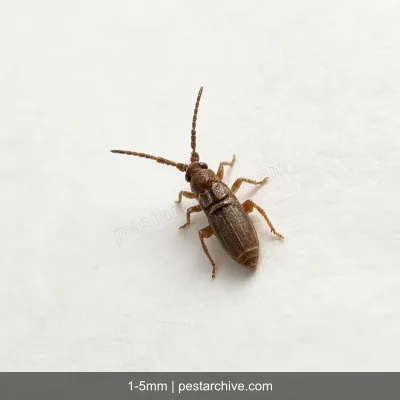
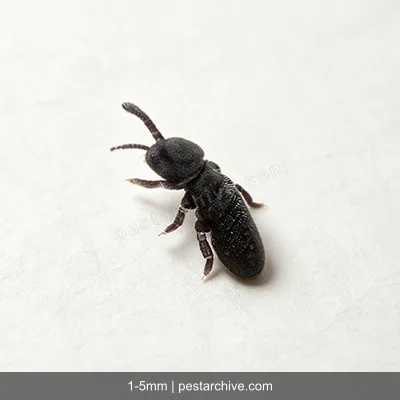
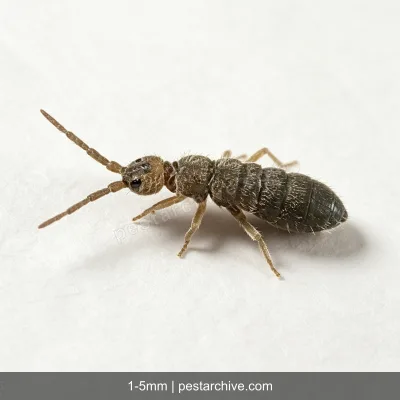
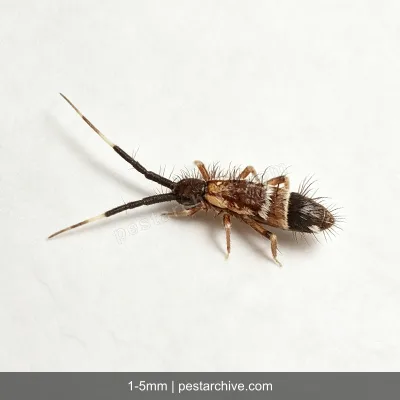
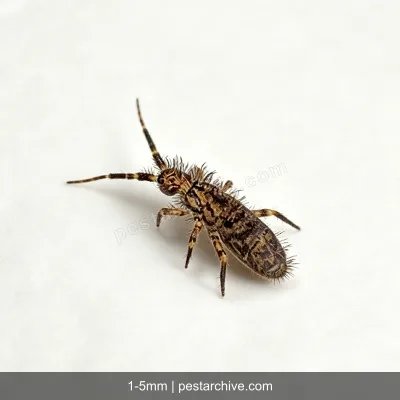
The short answer: Springtails are tiny (1–2 mm) greyish or white insects that jump using a spring-like organ under their abdomen. They are not harmful, they don’t bite or spread disease. They appear only when there is excess moisture and mould. The cure: dry out the area, remove standing water, and clean mould, they will disappear on their own.
- Confirm it’s springtails
- Size 1–2 mm, usually whitish, grey, or dark brown.
- They jump (flea-like) when disturbed, hence the name.
- Found in bathrooms, kitchens, around potted plants, and in damp basements.
- They gather in large numbers on tiles, windowsills, or soil surface.
- Where do they come from?
- They breed in moist soil, decaying organic matter, and mould.
- Common sources: overwatered houseplants, leaking pipes, standing water in saucers, or condensation on windows.
- They come from outdoors through cracks but establish indoors if moisture persists.
- Step 1: find the moisture source
- Check bathroom tile grout for black mould, that’s food for springtails.
- Look under the kitchen sink, any leak or damp cabinet.
- Examine plant saucers, if water sits, it’s a breeding site.
- Check around washing machines and condensation on window frames.
- Step 2: dry and clean
- Wipe up standing water and fix leaks, cut off their water supply.
- Use a dehumidifier to bring humidity below 50%, they cannot survive.
- Clean mouldy surfaces with a bleach solution or vinegar, remove their food.
- Empty plant saucers and let the soil dry out completely between watering.
- Step 3: apply treatment (optional)
- Because they die from dryness, chemicals are often unnecessary.
- If you want a quick knock-down, spray dinotefuran-containing household insecticide along baseboards, tile grout, and around plant areas.
- The residual film kills on contact, but without drying, new ones will return.
- Step 4: long-term prevention
- After showering, run the exhaust fan for 15–20 minutes to vent moisture.
- Don’t overwater houseplants, let the top 2 cm of soil dry before watering.
- Regularly inspect for leaks and condensation, fix small issues before they become habitats.
- Keep your home well-ventilated, especially in wet seasons.
Common mistakes
- ❌ Spraying without fixing moisture, they’ll reappear within days.
- ❌ Ignoring mould, it’s their primary food.
- ❌ Overwatering plants, a major cause of springtail outbreaks.
Mini FAQ
Q: Are springtails dangerous?
A: No, they don’t bite, sting, or transmit diseases.
Q: Can springtails damage property?
A: They don’t eat wood or fabric, they only feed on mould and fungi.
Q: How long does it take for them to go away?
A: Once the area dries out, they die or leave within a few days.
Your springtail elimination list
- Find the moisture source (leak, condensation, overwatering).
- Fix the leak and wipe up standing water.
- Clean mouldy surfaces.
- Run dehumidifier/exhaust fan.
- Let plant soil dry out.
- Spray only if needed, but drying is the ultimate solution.