How to eliminate springtails in a damp kitchen?
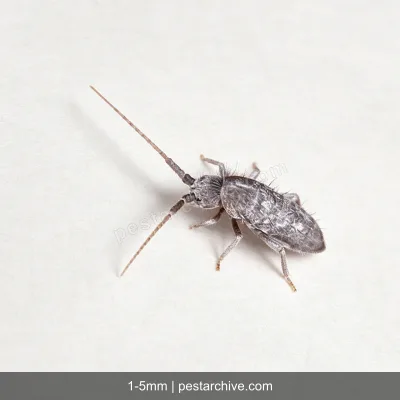
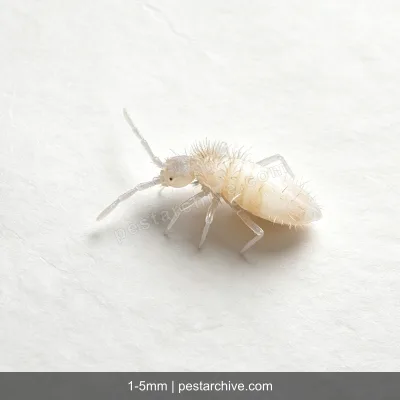
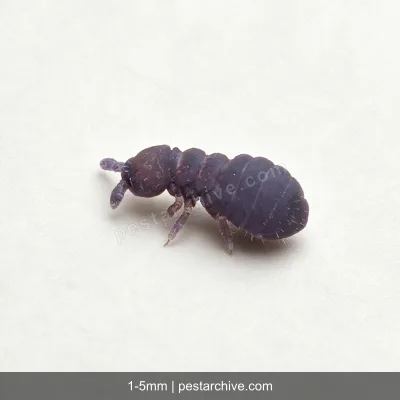
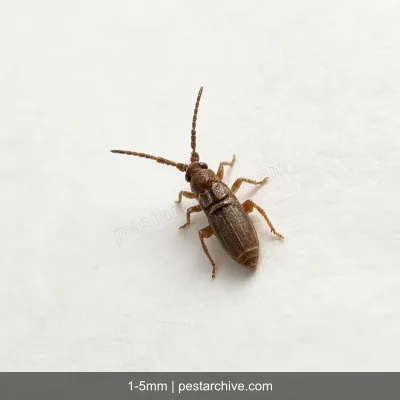
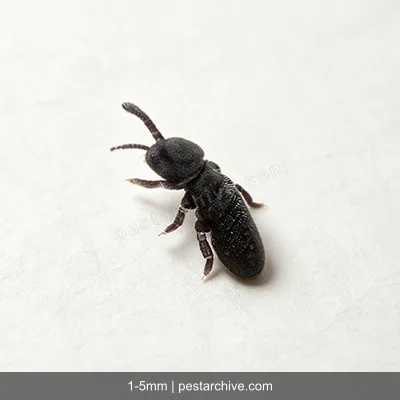
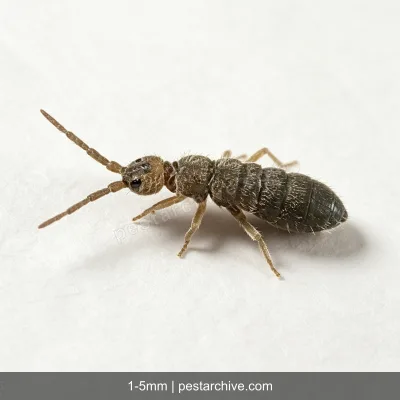
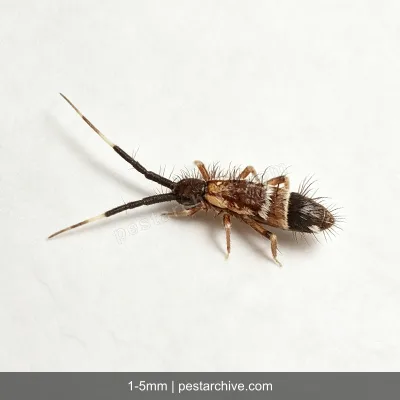
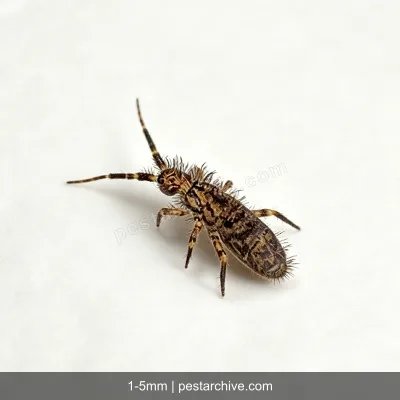
How to eliminate springtails in a damp kitchen?
Kitchens are high-risk areas for springtails because of abundant water sources, high humidity, and food residues, meeting springtails' requirements for moisture and food. Areas under sinks and around garbage bins are especially vulnerable.
Check and repair leaks
The root cause of kitchen springtails is often leaks:
- Open the sink cabinet and inspect: are pipe joints weeping? Is the faucet connection dripping?
- Is the dishwasher drain connection leaking?
- Fix any leaks first. Once the moisture source is cut off, springtails will disappear.
Thorough cleaning
- Remove everything from the sink cabinet; do not just wipe the surface.
- Wipe dry moldy areas with a dry cloth; treat mold spots with mold remover or white vinegar.
- Discard damp, moldy cardboard boxes, rags, and old sponges, these are springtail food and hiding places.
- After cleaning, leave cabinet doors open to allow the interior to air dry completely.
Spray treatment
- Spray dinotefuran-containing household insecticide along kitchen baseboards.
- Focus on inside corners of the sink cabinet and around pipe penetrations.
- Also spray the floor around garbage bins.
- Once dry, the insecticide forms an invisible film; springtails that crawl over it die. Residual effect lasts 2-4 weeks.
Daily prevention
- Dispose of kitchen waste daily; do not leave it overnight; keep bins covered.
- Clean sink strainers daily; do not wash food debris down the drain.
- Open cabinet doors frequently for ventilation; keep interiors dry.
- Place a desiccant pack or moisture absorber in the sink cabinet.
- Check pipes for new leaks monthly.