Do fleas live on humans?
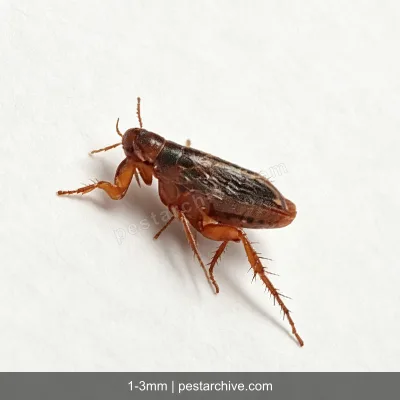
Do fleas live on humans?
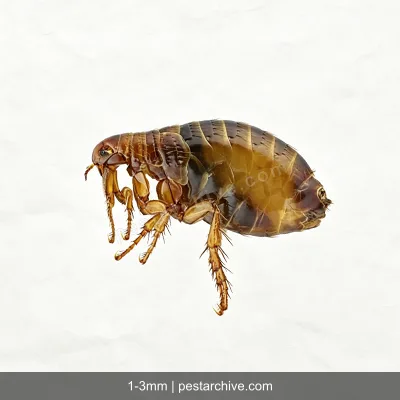
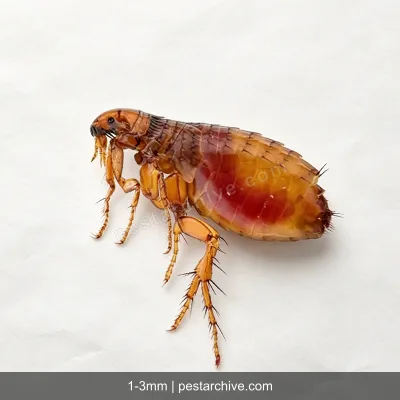
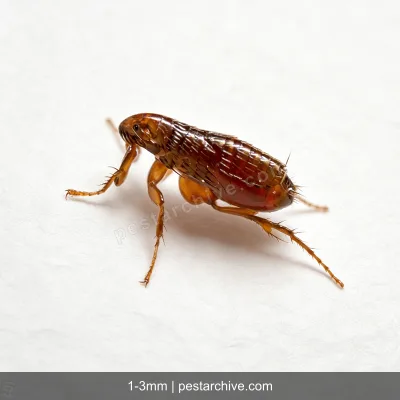
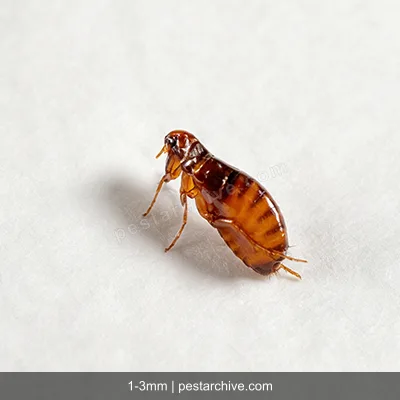
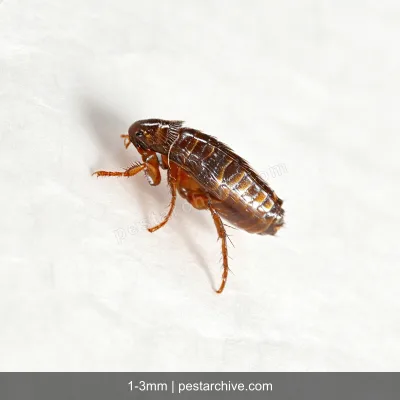
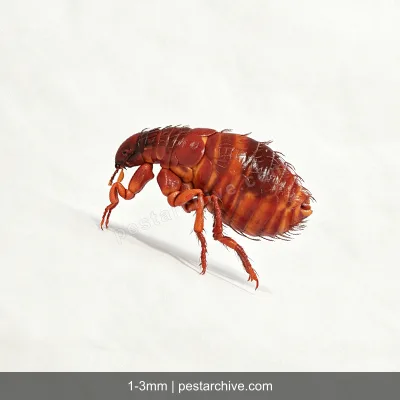
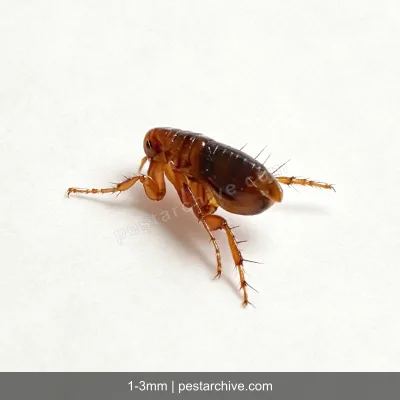
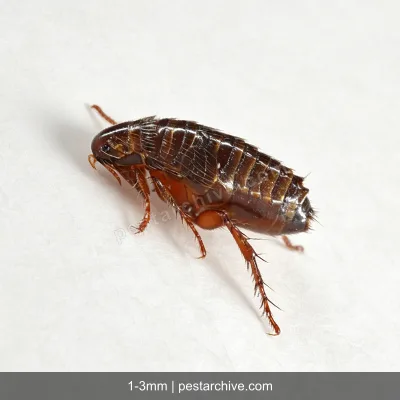
Fleas do not live on humans long-term like lice, but they do jump onto humans to feed. Understanding this is important for correct control.
Flea-human relationship
- Fleas feed on blood; human blood can sustain them, so they do bite people.
- Fleas particularly prefer biting bare ankles and lower legs because the skin is thin and close to the ground.
- But fleas do not stay on humans long-term — they do not have claws to grip humans. After feeding, they jump back to carpets, floor cracks, or upholstery.
- The human body surface is smooth and lacks fur — not an ideal hiding or breeding place for fleas.
- Simply put, humans are a "temporary cafeteria" for fleas, not their permanent home.
True flea hosts
- Fleas prefer furry animals — cats, dogs, rats, rabbits, squirrels, etc.
- Furred animals provide warmth and concealment, allowing fleas to crawl and lay eggs freely.
- In pet-free environments, being bitten by fleas typically means pupae have hatched in the environment and fleas are emerging to feed.
How to identify flea bites
- Small red papules on ankles and lower legs, often in clusters of 2-4 or in a linear pattern.
- Intense itching, especially at night when fleas are most active.
- Unlike mosquito bites, flea bites often have a small red dot at the center (puncture site).
- Scratching can lead to bacterial infection; if there is redness, swelling, or pus, seek medical attention.
Eradication method
Eliminating fleas in the environment and their eggs is fundamental; simply bathing will not solve the problem. The correct approach is: thorough vacuuming to stimulate pupal hatching, washing all fabrics in water above 60°C, and spraying dinotefuran-containing household insecticide on floors and wall crevices. Once the environmental fleas are eliminated, the bites will stop.