Can dinotefuran-containing household insecticide spray kill fleas?
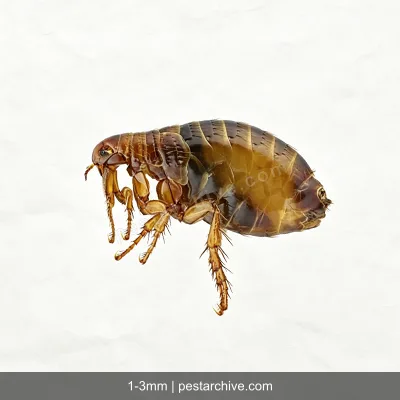
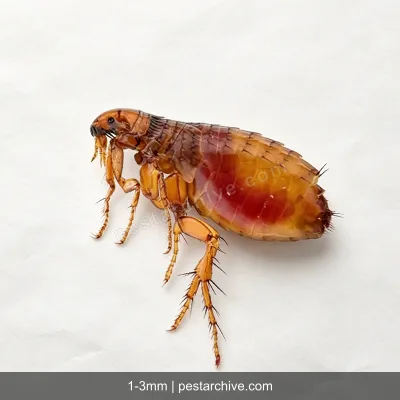
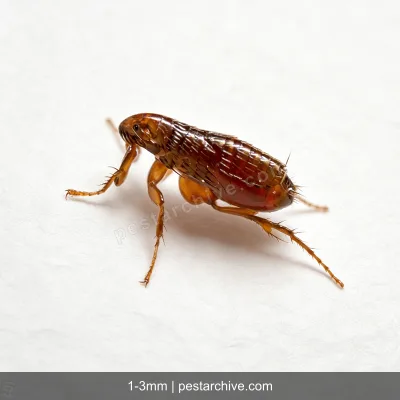
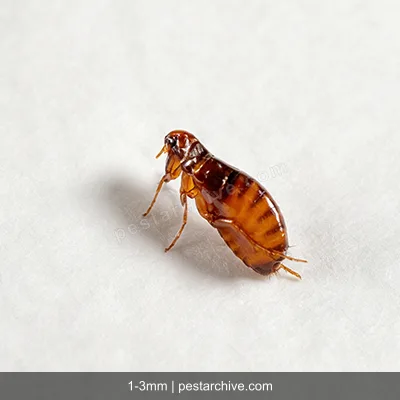
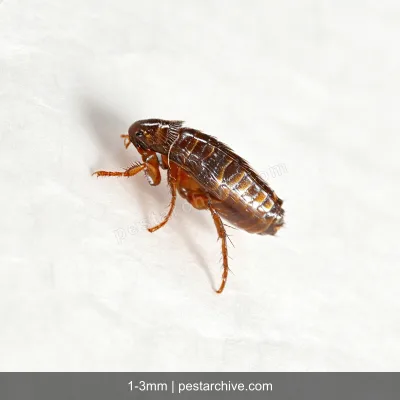
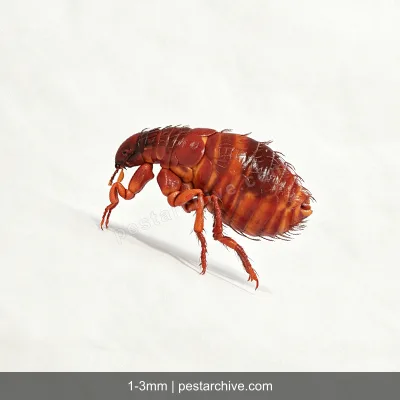
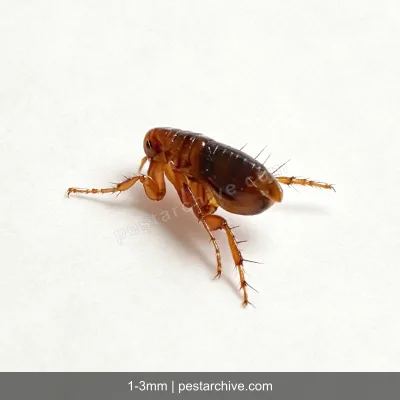
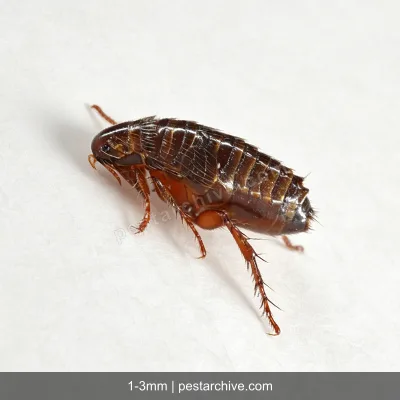
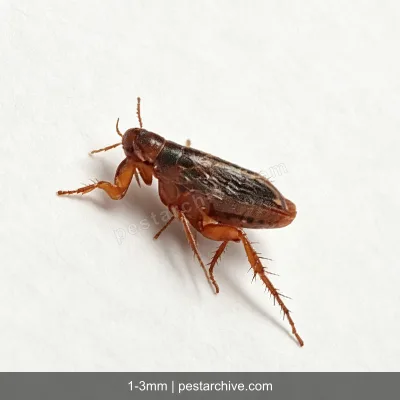
Can dinotefuran-containing household insecticide spray kill fleas? Dinotefuran spray is highly effective against fleas and is a commonly used insecticide for household flea control. Proper use can completely resolve flea problems.
Mode of action of dinotefuran spray
- Dinotefuran is a third-generation neonicotinoid insecticide that acts on the insect's nervous system.
- It blocks nerve signal transmission, causing fleas to become overexcited, paralyzed, and die.
- Fleas show symptoms within minutes of contacting the film and die within hours.
- Primarily contact action (poisoning upon crawling over), with some stomach action (also effective if ingested during grooming).
- Low toxicity to mammals; safe for humans and pets when used correctly.
Why is it suitable for flea control?
- Colorless and odorless — does not affect daily life indoors and leaves no unpleasant smell.
- Fleas do not avoid it (non-repellent) — they will crawl over treated surfaces normally.
- Long residual effect — one application lasts 2-4 weeks; fleas that contact it during this period die.
- Once dry, it forms an invisible but continuously effective film.
Correct application method
- Vacuum thoroughly before spraying to remove eggs and feces, allowing the film to contact surfaces directly.
- Spray where fleas frequently appear: wall bases, floor cracks, under furniture, baseboards, and carpet edges.
- Hold nozzle 20-30 cm from the surface; spray evenly until slightly damp, not running.
- Wait 2-3 hours for the spray to dry completely before allowing people and pets to re-enter.
- Reapply after 7-10 days — dinotefuran cannot kill pupae, so reapplication is needed to kill newly hatched fleas.
- For severe infestations, apply a third treatment after 2-3 weeks to ensure complete eradication.
Precautions
- Dinotefuran is highly effective against adults but does not kill eggs or pupae, so a second application is essential.
- Fleas on pets require veterinarian-recommended topical or oral products; do not spray dinotefuran directly on pets.
- Cover fish tanks when spraying — dinotefuran is toxic to aquatic life.