What to do if fleas are hiding in the mattress?
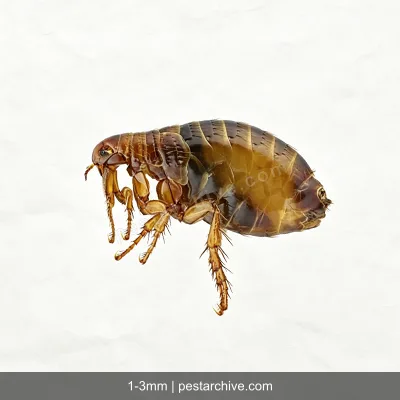
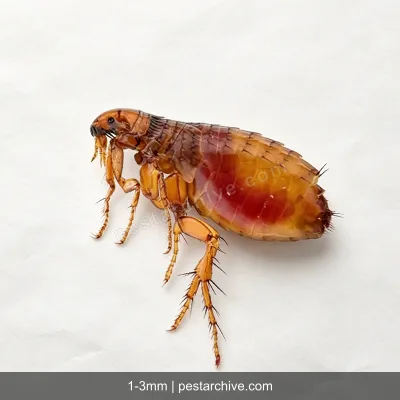
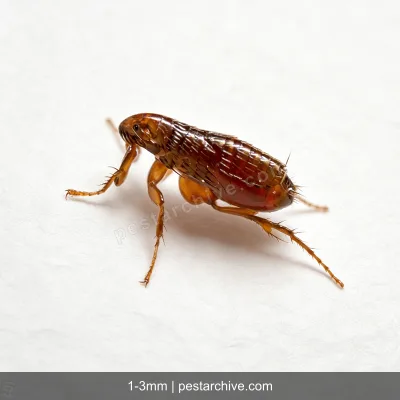
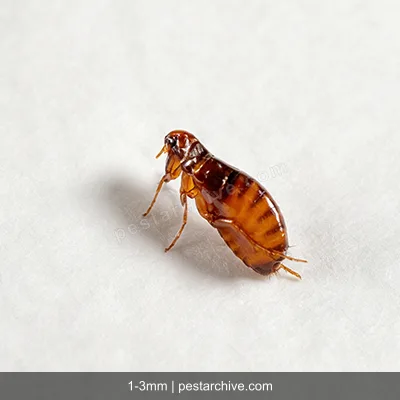
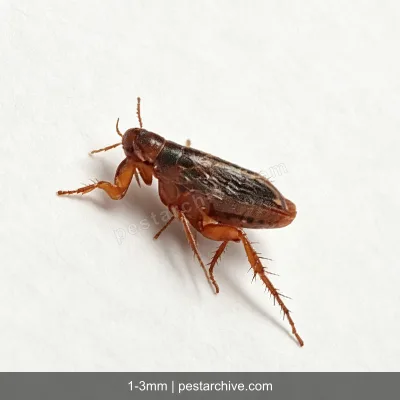
What to do if fleas are hiding in the mattress?
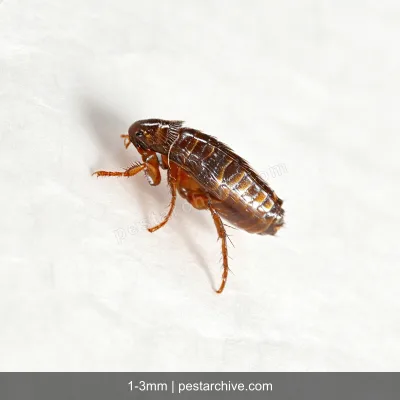
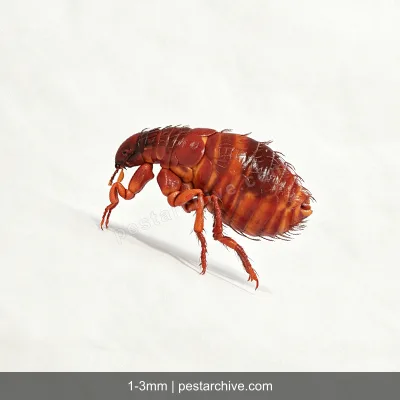
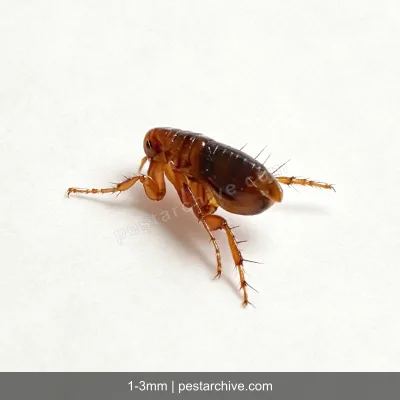
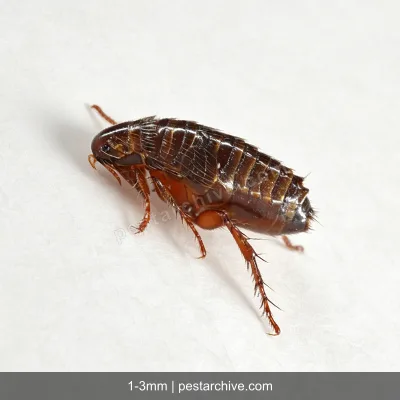
Mattress seams and edges are ideal hiding places for fleas and their eggs because they are warm, dark, and close to the host (humans) — a hotspot for flea reproduction.
Treatment steps
- Remove all bedding — remove sheets, duvet covers, and pillowcases; handle gently to avoid scattering eggs. Wash in water above 60°C with laundry detergent; tumble dry on high heat for more than 30 minutes.
- Thorough vacuuming — carefully vacuum all mattress seams, piping, label folds, and zipper areas. Vacuum vibration stimulates flea pupae to hatch early for subsequent chemical treatment. Immediately seal and discard the vacuum bag outdoors.
- Spray dinotefuran-containing household insecticide — spray along mattress seams, bed frame joints, and headboard crevices; focus on the four corners where the bed frame contacts the floor (flea climbing routes). Once dry, the insecticide forms an invisible film; fleas die on contact.
- Use an insect-proof encasement — after treatment, cover the mattress with an insect-proof encasement to fully seal it and trap any remaining eggs.
- Reapply — repeat spraying after 7-10 days to kill newly hatched fleas. Since dinotefuran cannot kill pupae, a second application is necessary for complete elimination.
Other bedroom areas must also be treated
- Baseboards, floor cracks, under nightstands, and under wardrobes where fleas may hide.
- Curtain hems and carpet edges — fleas may also hide here.
- If pets get on the bed, pet bedding must be treated simultaneously, otherwise fleas will return via the pets.
Daily prevention
- Vacuum around the bed weekly, especially the floor near the bed and baseboards.
- Change and wash sheets and pillowcases frequently in hot water.
- Keep the bedroom dry and well-ventilated — low humidity is unfavorable for fleas.