Fleas in the Mattress? What to Do
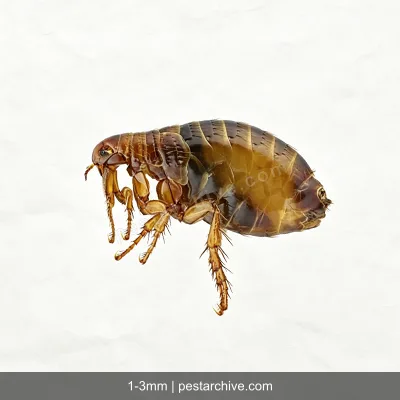
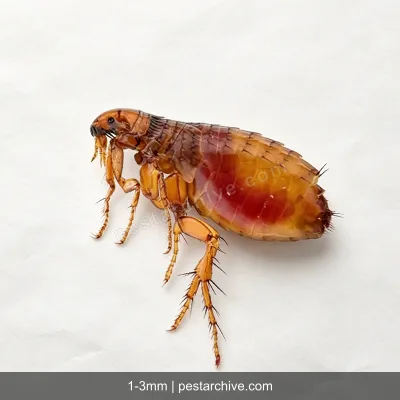
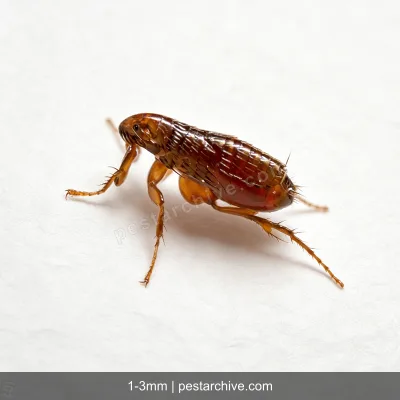
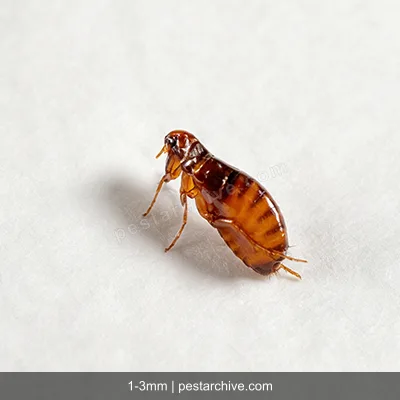
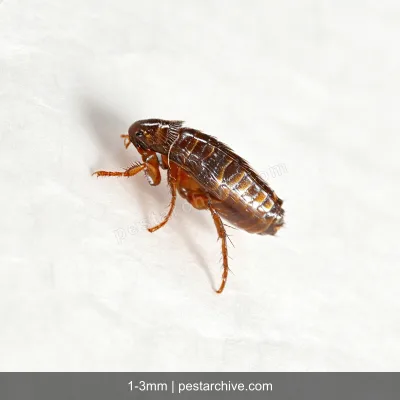
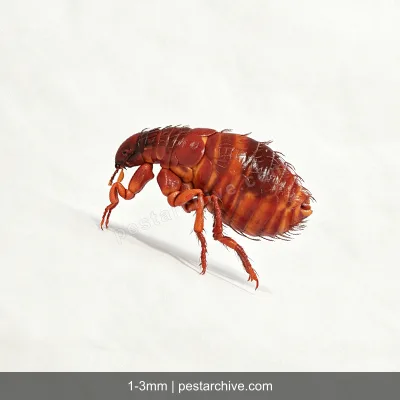
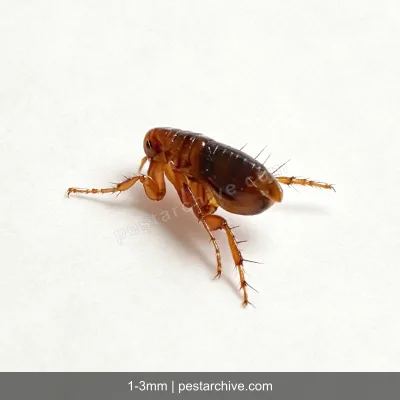
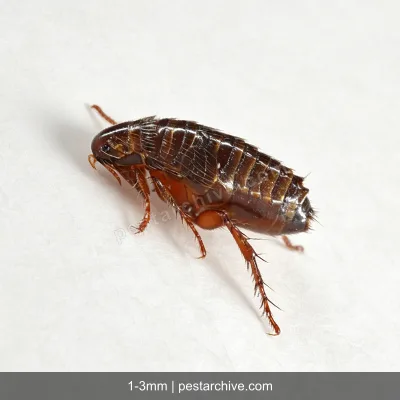
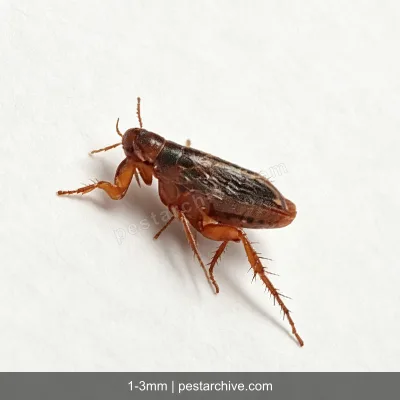
Real scene: You're checking the seams of your mattress. You see some dark brown specks (flea droppings) and a few flat, dark brown bugs that jump away quickly. You jump off the bed instantly. Fleas can indeed hide in mattress seams. But they don't burrow in. They move in the fiber folds of seams and edges. The good news is mattresses can be treated. You don't need to throw it out.
Quick answer: Mattress seams are where fleas hide and lay eggs. Four steps: remove all bedding and wash in hot water above 60 degrees C with high-heat drying, vacuum every seam and edge slowly and carefully with a vacuum, encase the entire mattress in a bug-proof zippered cover, and vacuum the floor around the bed daily. Spraying is only a supplement and can't replace physical removal.
Why mattresses become flea hotspots
After adult fleas feed on a host (human or pet), they jump back into the environment to lay eggs. If pets get on the bed, or if the person sleeping in the bed is being bitten, fleas will concentrate egg-laying in the mattress seams, edges, and label folds. These areas are warm and close to the food source. Eggs and larvae are protected in these fiber folds and aren't easily removed. This isn't about the mattress being dirty. It's about fleas choosing a spot close to their food source.
Step 1: Remove and hot-wash all bedding
- Take off all sheets, duvet covers, pillowcases, and mattress pads. Move gently. Don't shake the fabrics. This prevents eggs from scattering to other parts of the room.
- Put them directly in a plastic bag and carry them to the washing machine. Don't carry them loose across the room.
- Wash in hot water above 60 degrees C with detergent. Lower temperatures may not kill eggs and larvae.
- Dry on high heat for at least 30 minutes. Heat kills all flea life stages.
- For pillows and comforters that can't be washed, seal them in black plastic bags and leave them in strong sunlight for 4 to 6 hours. The temperature inside can reach above 50 degrees C, enough to kill fleas and eggs.
Step 2: Vacuum the mattress (the most critical step)
- Vacuum every seam, edge, label fold, and zipper area of the mattress carefully. Use a crevice tool or brush attachment. Move slowly. Don't slide over them quickly. Go over each seam twice, back and forth.
- Vacuum vibration stimulates flea pupae to emerge early, exposing them to subsequent treatments. That's why vacuuming isn't just for removing eggs. It's also to wake up fleas hiding in cocoons.
- Vacuum the top, sides, and bottom of the mattress. The bottom of the mattress, if it's lying directly on a solid bed base with poor ventilation, is also a hiding area.
- After vacuuming, seal the vacuum bag in a plastic bag and discard it in the outdoor trash immediately.
Step 3: Isolate the mattress
- Buy a bug-proof mattress encasement (zippered, fully sealed type). Wrap the entire mattress in it. Zip it all the way to the end to ensure there are no gaps.
- The encasement works both ways: fleas trapped inside can't get out and will starve, and fleas from the environment can't get in to lay eggs.
- Keep the encasement on for at least 6 months. Flea pupae can remain dormant for months. The encasement must cover that entire window.
Step 4: Treat the floor around the bed
- Vacuum the floor around the bed daily, especially under the bed. Adult fleas jump off the bed and land on carpets and floor cracks. Daily vacuuming constantly removes newly arrived adults.
- Also vacuum the seams and screw holes of the bed frame and headboard. These are also hiding spots.
- If the floor is carpeted, follow vacuuming with a steam cleaner for the area around the bed. Steam temperature exceeds 100 degrees C and kills fleas and eggs within seconds by penetrating carpet fibers.
Pesticides as a supplement
Vacuuming and heat treatment do the heavy lifting. After vacuuming, you can spray a residual household insecticide spray on bed frame joints, the floor under the bed, and baseboards as a supplement. Let it dry to form a film. This is effective against adult fleas that jump over from the environment. Don't spray large amounts directly on the mattress surface, and don't spray on sheets or duvet covers. Skin contact with chemical residues over long periods is a safety concern.
Common mistakes
- Mistake 1: Fleas in the mattress mean it's dirty and needs replacing. Fact: Fleas choose the mattress based on proximity to the host, not on age or cleanliness. A brand new mattress can have fleas if a female laid eggs on it. Cleaning and isolation can solve it. You don't need to throw it out.
- Mistake 2: Spraying insecticide on the mattress makes it safe to sleep on. Fact: Don't spray large amounts directly on the mattress surface. Prolonged skin contact with chemical residues is a safety issue. Spray only the bed frame and floor for residual treatment. Protect the mattress with vacuuming and an encasement.
- Mistake 3: Fleas are only a summer problem. Fact: In heated indoor spaces in northern China, fleas can be active year-round. Winter indoor temperatures above 20 degrees C with adequate humidity allow fleas to continue breeding.
When to call a pro
If after 3 to 4 rounds of treatment (each round a week apart) there are still signs of fleas in the mattress seams, or if fleas have spread to fabrics and carpets in multiple rooms, you may need professional heat treatment or whole-room fumigation. Professionals use large equipment to heat the entire room above 50 degrees C and maintain it for several hours, killing fleas at all life stages.
* * * 24. Where Do Bed Bugs Hide in a Room?