Rats in the Attic? How to Get Rid of Roof Rats
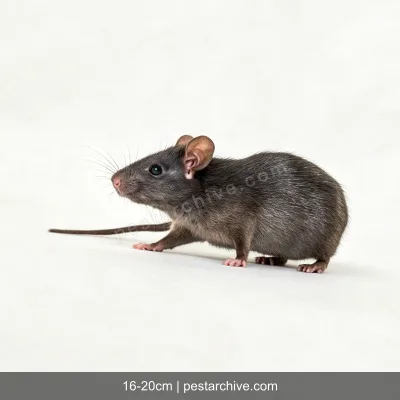
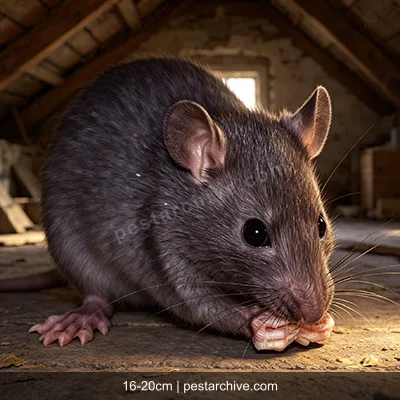
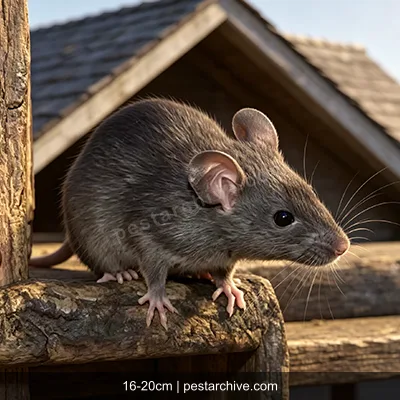
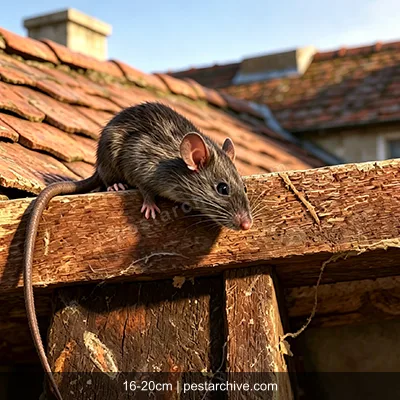
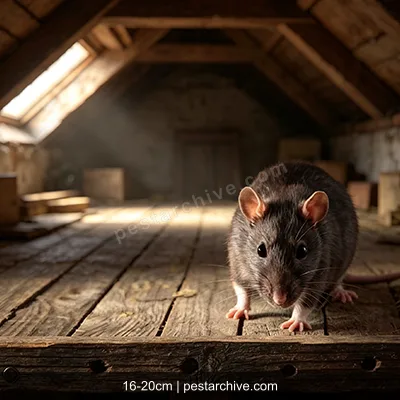


Rats in the attic are almost always Roof Rats (*Rattus rattus*) — also called black rats or ship rats. Smaller and more agile than Norway Rats, Roof Rats weigh 150–250 g, have a slender body, large ears, and a tail longer than their head+body combined. Their name comes from their preference for elevated nesting: attics, ceilings, roof voids, trees, and upper-story wall cavities.
Roof Rats enter homes from above — climbing trees, vines, utility lines, and drainpipes to reach roof gaps, soffit vents, and attic windows. Once inside, they gnaw insulation, chew wiring (fire hazard), contaminate stored items with urine and feces, and reproduce rapidly (4–6 litters per year, 6–8 pups per litter).
### How Roof Rats Get Into the Attic
Inspect these elevated entry points from outside using a ladder:
- Soffit and fascia gaps — damaged or loose soffit panels are the most common entry route.
- Roof vents — uncapped or damaged attic vents, gable vents, and ridge vents.
- Roof edges and eaves — gaps where the roof meets the wall; deteriorated flashing.
- Tree branches touching the roof — Roof Rats climb directly from trees onto the roof.
- Utility lines and pipes — they run along power lines, cable wires, and drainpipes straight to the roof.
- Chimney gaps — uncapped chimneys or gaps around the chimney flashing.
- Dormer and skylight frames — poor sealing around these roof features.
### Step 1: Exclusion — Seal All Upper-Level Entry Points
- Cap all roof vents, gable vents, and ridge vents with ¼-inch hardware cloth.
- Repair or replace damaged soffit panels; seal gaps with copper mesh and caulk.
- Install a chimney cap with mesh screening.
- Seal gaps around skylights and dormers with copper mesh and weatherproof caulk.
- Trim tree branches at least 6 feet (2 m) away from the roof — this eliminates the most common climbing route.
- Install rat guards (metal cone collars) on drainpipes and utility poles to prevent climbing.
### Step 2: Trapping in the Attic
- Use rat-sized snap traps baited with dried fruit, peanut butter, or nuts ( Roof Rats favor fruit and nut baits over the meat/protein baits that Norway Rats prefer).
- Place traps along attic joists, rafters, and near nesting sites — Roof Rats travel along structural beams.
- Set 8–12 traps simultaneously to overcome neophobia.
- Pre-bait for 2–3 days with unset traps, then set all traps on day
4.
- Check daily; remove dead rats and reset.
Do NOT use poison in the attic — poisoned rats die in inaccessible ceiling voids and wall cavities, producing odor and attracting secondary pests.
### Step 3: Remove Attractants
- Food. Roof Rats forage outdoors for fruit, birdseed, pet food, and garbage. Pick up fallen fruit, secure garbage cans, and do not leave pet food out overnight.
- Nesting material. Remove clutter from the attic — stored boxes, paper, fabric, and insulation provide nesting material. Store items in sealed plastic bins.
- Water. Fix roof leaks and condensation issues in the attic — Roof Rats need water and will exploit any moisture source.
- Outdoor harborage. Trim dense vines, hedges, and palm fronds near the roof line — these provide climbing routes and resting platforms.
### Step 4: Clean Up Contamination
After all rats are removed:
- Vacuum droppings and nesting material (wear an N95 mask — hantavirus risk).
- Disinfect surfaces with a 10% bleach solution or commercial disinfectant.
- Replace severely contaminated insulation.
- Seal any remaining gaps you may have missed during the initial exclusion.