How to Manage Soil to Prevent Fungus Gnats?
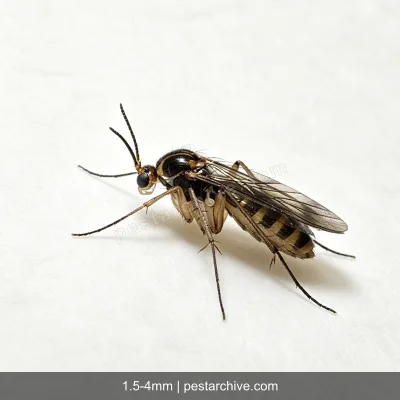
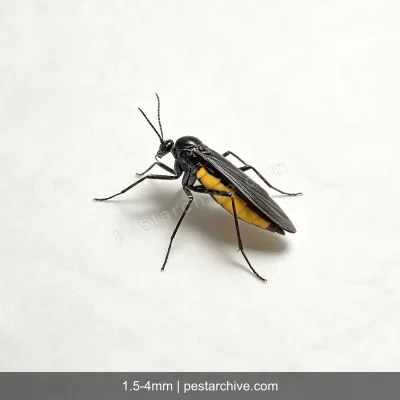
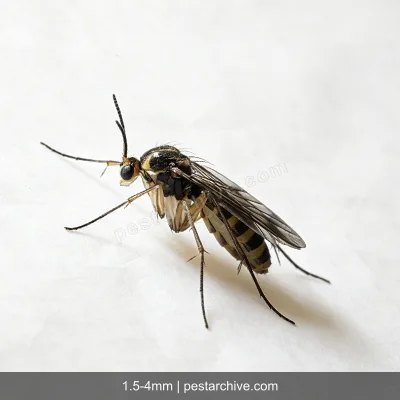
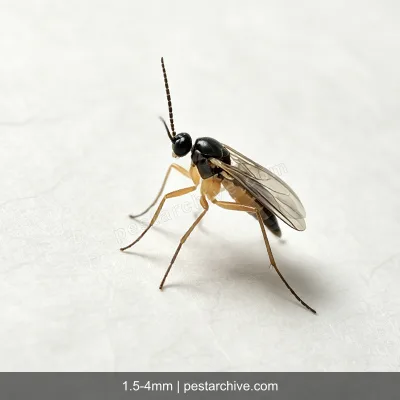
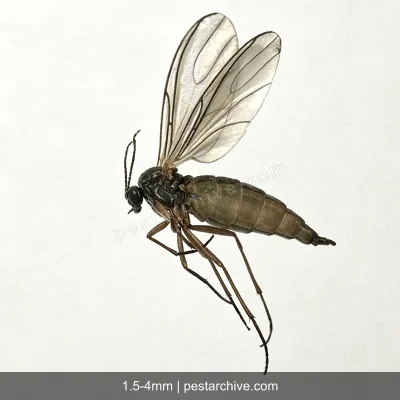
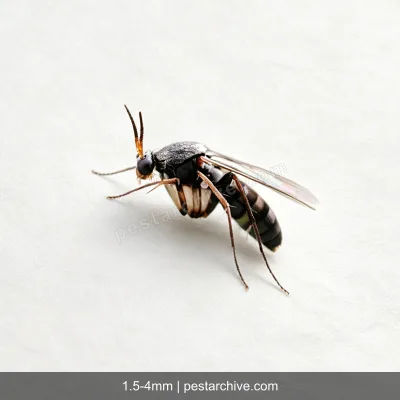
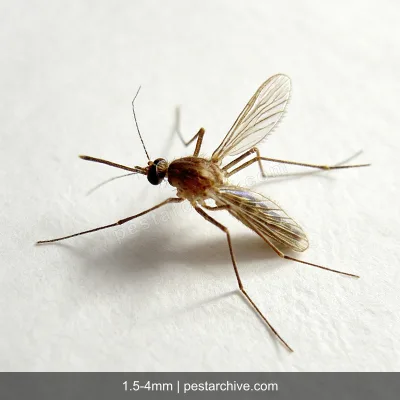
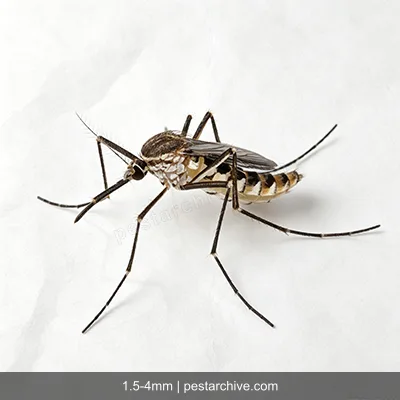
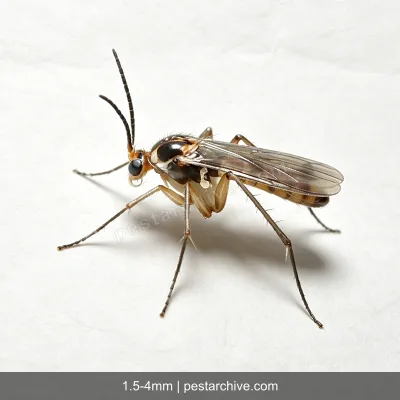
What Harm Do Fungus Gnat Adults and Larvae Cause?
Fungus gnat damage is divided into adult and larval stages, with larval damage being far more significant.
Adult Nuisance (Just Annoying)
- They fly around flower pots, affecting your indoor environment
- They may land on water glasses and food. They don't bite but are very annoying
- When numbers are high, they're everywhere and affect your mood
- Adults don't bite, don't suck blood, and don't spread diseases
Larval Damage (This Is the Real Problem)
Fungus gnat larvae live in the soil. They're about 3-5 mm long, white and semi-transparent with a black head. Their main damage includes:
- Root feeding — Larvae eat young roots and root hairs, impairing the plant's ability to absorb water and nutrients. A single larva can damage multiple root hairs per day. Several dozen larvae can seriously damage the root system of a small plant
- Stem damage — Young stems of seedlings near the soil surface are vulnerable to larval feeding
- Yellowing leaves — Once roots are damaged, the plant's ability to absorb water and nutrients declines. Leaves gradually turn yellow from the bottom up, wilt, and growth noticeably slows
- Seedling killer — The greatest impact is on cuttings and newly germinated seedlings. In severe cases, seedlings can be chewed through and killed. If a pot contains 30-40 or more larvae, the root system of a small to medium plant will be seriously compromised. Seedlings may not survive a week
Which Plants Are Most Vulnerable?
- Succulents — In an effort to control watering, people often keep the soil too wet for too long, creating a perfect fungus gnat breeding ground
- Moisture-loving plants like pothos and spider plants — frequent watering means the soil surface rarely dries out completely
- Seedlings and cuttings in the propagation stage — the soil needs moisture, but young roots can't withstand larval feeding
- Potted plants using uncomposted organic fertilizer — decomposing organic matter attracts fungus gnats to lay eggs
When Should You Take Action?
Seeing one or two fungus gnats occasionally is no cause for alarm. But if a cloud of them (10+) flies up every time you water, the soil is already loaded with larvae and needs prompt treatment.
- Sporadic (1-3): Ramp up the watering control and observe
- Small cloud when watering (5-10): Start spraying + surface covering
- Swarming (10+): Full-scale reduced watering + spraying + physical control, all at once