How to Get Rid of Aphids on Houseplants?
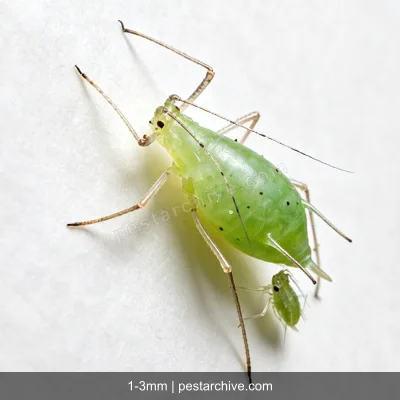
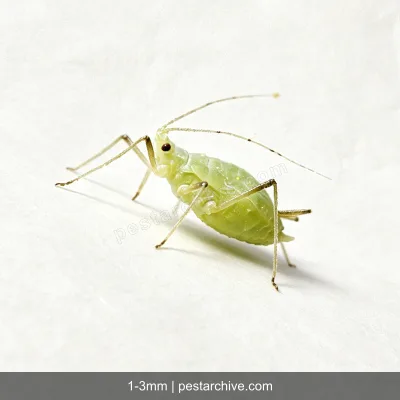
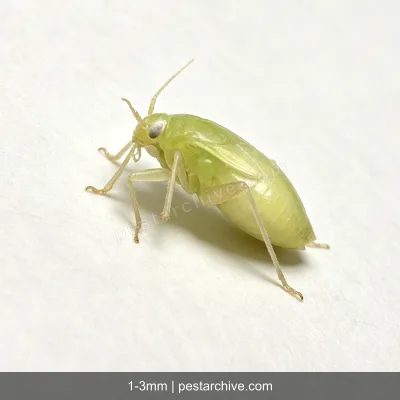
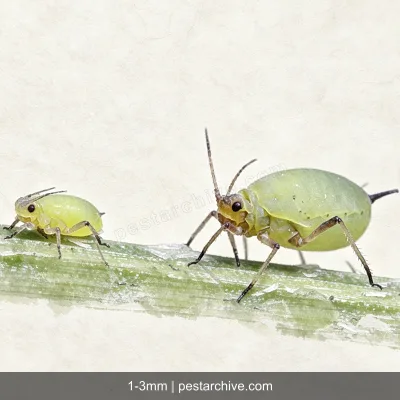
What Are the Dense Clusters of Green Bugs on the Underside of Leaves?
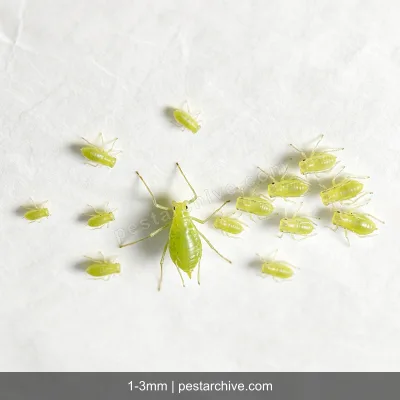
Those are aphids, one of the most common garden pests. They live in dense colonies on tender shoots, the undersides of young leaves, and flower buds, packed tightly together as they suck plant sap.
What Do Aphids Look Like?
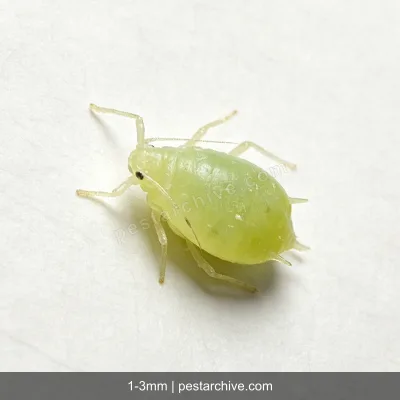
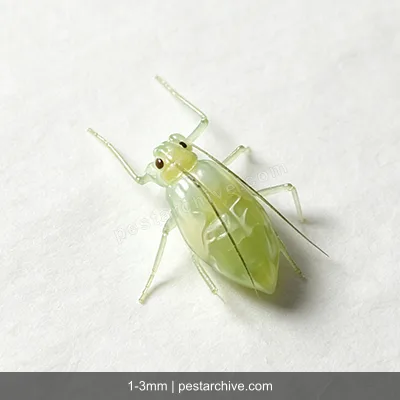
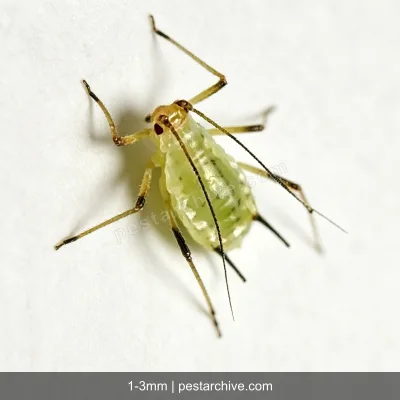
- Very small, only 2-3 mm
- Soft, pear-shaped bodies
- Various colors — most commonly green, but also black, yellow, red, and gray
- Most are wingless, but some have transparent wings
- Two thin tubes (cornicles) project from the rear of the abdomen — these secrete honeydew
Why Are They Always Packed Together?
Aphids have astonishing reproductive capacity:
- Females can give birth to live young without mating (parthenogenesis)
- Newborn aphids can start reproducing almost immediately
- At favorable temperatures (20-30°C / 68-86°F), a new generation can be produced in just a few days
- A single aphid can produce hundreds to thousands of offspring in a short time
Where Do Aphids Live?
- Underside of young leaves — this is their favorite spot
- Tender shoots and terminal buds — new growth attracts aphids the most
- Flower buds and stems — aphids also cluster on flowers
- Curled leaves — aphid feeding causes leaves to curl, and colonies hide inside the curls
Two Indirect Signs of Aphids
If you notice leaves that look shiny and sticky, as if coated with oil, or ants frequently crawling on your plants, both clues point to aphids:
- Honeydew — Sugar-rich waste liquid excreted by aphids as they feed. It drips onto leaf surfaces forming a sticky layer. Honeydew itself doesn't directly harm plants, but it attracts ants and fosters sooty mold
- Sooty mold — Black fungi that grow on honeydew. Leaves become covered in a black film that blocks photosynthesis
- Ant farming — Ants "protect" aphids, eating their natural enemies and even carrying aphids to new tender shoots. If you see ants busily moving on a plant, follow their trail and you'll almost certainly find an aphid colony