What is the relationship between ants and aphids?
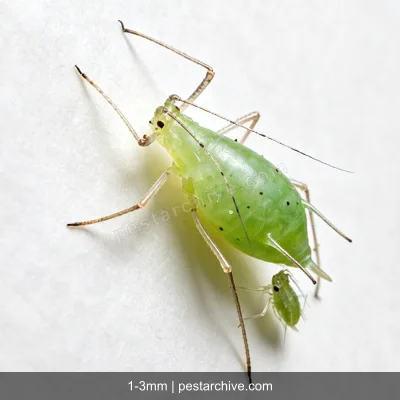
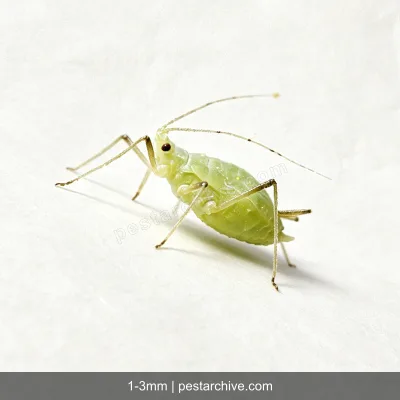
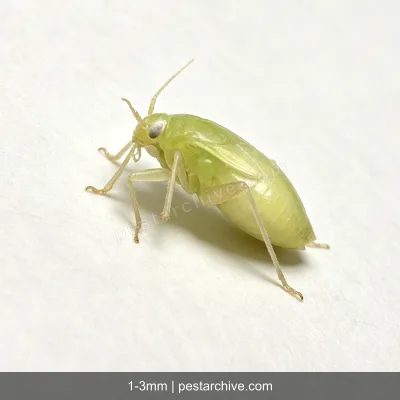
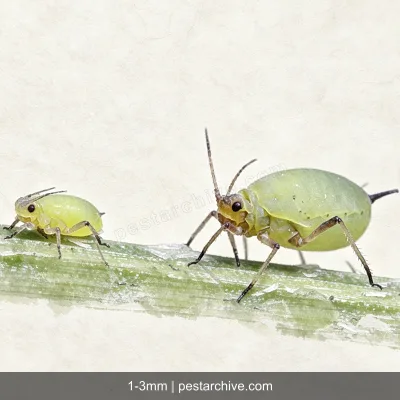
What is the relationship between ants and aphids?
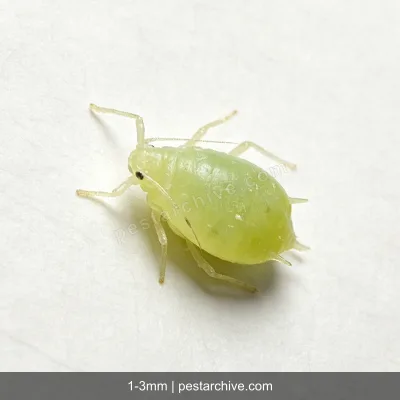
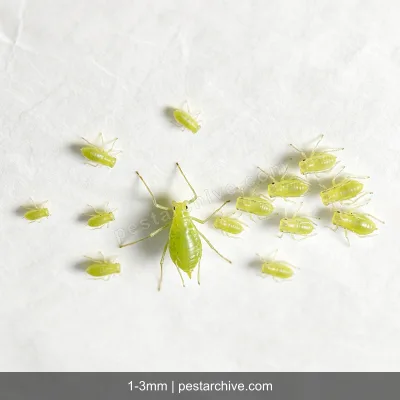
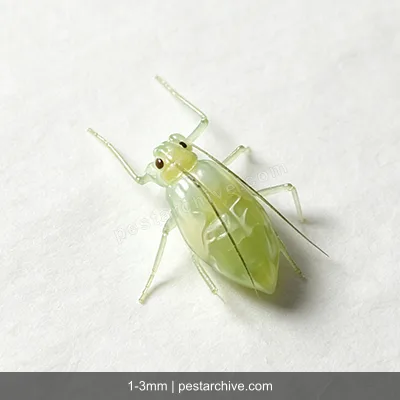
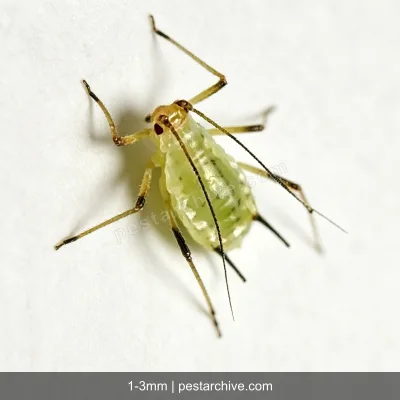
Ants and aphids have a "mutually beneficial" relationship — aphids provide food, and ants provide protection.
Ants treat aphids as "cattle"
- Aphids excrete honeydew (high in sugar) after feeding on plant sap.
- Ants love honeydew and treat aphids as their "milk-producing cattle."
- Ants tap aphid abdomens with their antennae to stimulate honeydew excretion.
- Ants directly drink the honeydew.
What do ants do for aphids?
While receiving food, ants provide various "services" for aphids:
- Protection — ants drive away or attack aphid predators like ladybugs and lacewings.
- Transport — ants carry aphids to new plants, expanding their "pasture."
- Overwintering care — in winter, ants carry aphid eggs into their nests for protection and return them to plants in spring.
- Sanitation — ants clean honeydew from around aphids to prevent mold growth.
Implications for aphid control
- If there are many ants in pots and aphids on plants, they are likely present together.
- Simply killing aphids is insufficient; ants will bring them back.
- When controlling aphids, also spray dinotefuran-containing household insecticide on ant trails.
- Breaking the ant-aphid mutualism improves control effectiveness.
- Tree aphid control method: wrap sticky insect tape or apply sticky glue around the trunk 30-50 cm above the ground. Ants get stuck when climbing up, and aphids lose ant protection, making them more vulnerable to natural enemies.
How to tell if ants are "farming" aphids?
If you see ants moving back and forth on branches with dense aphid clusters, they are "farming" the aphids.