How to Get Rid of House Centipedes Naturally
Are House Centipedes Good or Bad?
It depends on how you look at it. House centipedes play a unique role.
From an Ecological Standpoint, They're Beneficial
Strictly speaking, house centipedes are predatory arthropods. They eat cockroaches, flies, mosquitoes, silverfish, and other genuine household pests — so in that sense, they help people. A single house centipede can consume several small bugs per day, acting like a natural pest control guardian. Their prey range is broad: from springtails and booklice to small cockroaches.
But Many People Can't Stand Them
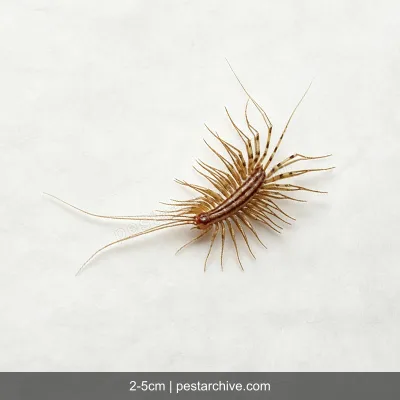
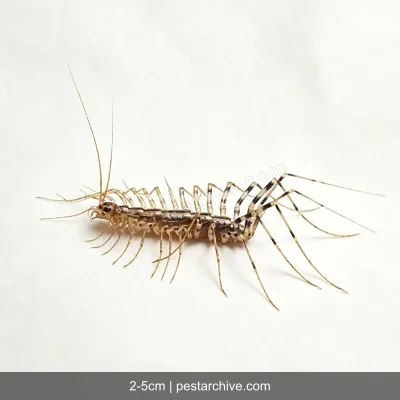
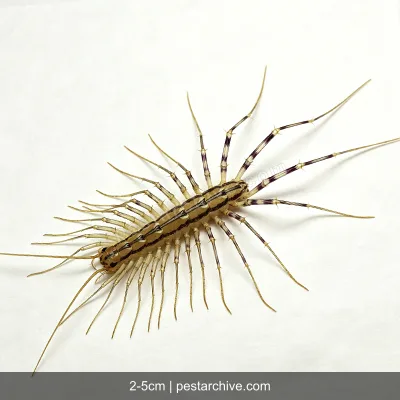
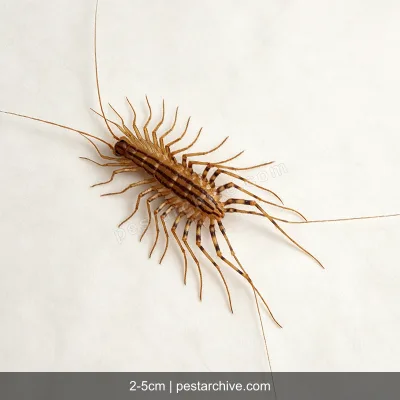
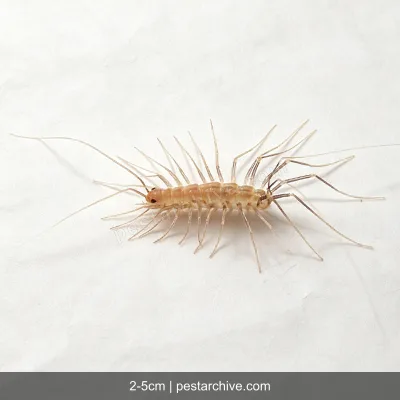
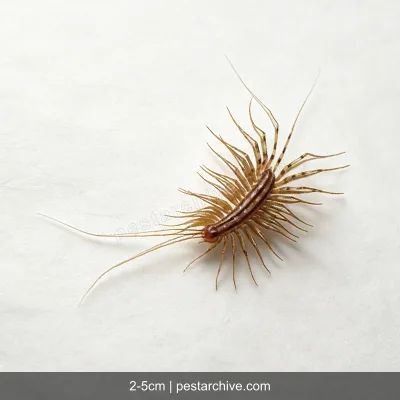
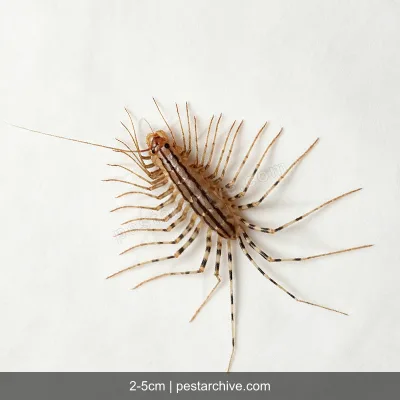
They honestly look frightening with all those long, spindly legs — many people simply can't tolerate them. If you see one occasionally indoors, you don't necessarily have to kill it — you can sweep it outside and let it go. But if they keep showing up, it means your home is too humid and has a prey insect population sustaining them — in that case, you need to address the underlying issues. Also, house centipedes don't damage furniture, don't eat clothing, and don't contaminate food. Their only "problem" is their unsettling appearance.
Should You Get Rid of Them?
- One or two occasionally: leave them alone or release them outside — let them eat other pests for you
- Frequent sightings: your home's humidity is too high and there's a prey insect source
- Large numbers: check for moisture sources, repair leaks, clean up the prey insect population
- Solve the root cause: lower humidity and get rid of other small bugs — the house centipedes will naturally disappear